

Depression is a common mental health condition that affects millions of men, but the symptoms of depression in men often look different than what most people expect. While women are more likely to feel sad or cry, men with depression may show signs like irritability, anger, or physical symptoms. This can make depression in men harder to spot and get diagnosed.
Understanding these differences matters because untreated depression is a serious medical condition that can affect every aspect of life. Men are significantly more likely to die by suicide than women, and research suggests that major depression is a significant risk factor for suicide. Recognizing the signs of depression early can be lifesaving.
What Are the Most Common Symptoms of Depression in Men?
Men experience depression differently than women, reporting more irritability, anger, and aggression instead of sadness or tears. This applies across different types of depression, including major depressive disorder, persistent depressive disorder, and severe depression.
Classic depression symptoms still appear: persistent low mood, losing interest in activities they once enjoyed, changes in appetite leading to weight gain or loss, and sleep disturbances. Many men also struggle with low energy and fatigue, even after a full night’s rest. Some experience low self-esteem and feelings of worthlessness.
But men express distress through “externalizing behaviors”—outward actions rather than emotional signs. These include angry outbursts, increased alcohol consumption, substance abuse, or risky behavior like reckless driving. Many men report physical symptoms more readily than they discuss feelings.
How Does a Man Act When He Is Depressed?
Men experiencing depression often display irritability and mood swings rather than sadness. They may seem more easily annoyed, get into arguments more frequently, or have sudden bursts of anger that feel out of proportion. This can happen even when men don’t feel sad in the traditional sense.
Men show aggression and hostile behavior when depressed. Some become more controlling or display violent or abusive behavior. Others withdraw completely, pulling away from family members and friends or avoiding social situations they used to enjoy.
Depression in men often follows significant life events like job loss, divorce, or financial stress. Work patterns often change too. Some men throw themselves into their jobs, using overworking as escapist behavior to avoid feelings. Others see their work performance decline, struggling to concentrate or make decisions. Many men with depression find it difficult to express emotions openly, making it harder for loved ones to recognize something is wrong.
Physical complaints become a primary way depression shows up. Men may report persistent headaches, back pain, chest tightness, or digestive problems. These physical signs are real, not imagined—they represent how depression affects the body. Because many men feel more comfortable discussing physical issues than emotional ones, they may see a health professional for these complaints without mentioning mood changes.
What Are 5 Warning Signs of Depression in Men?
Five key warning signs include persistent irritability, increased substance use, withdrawing from relationships, physical aches, and reckless behavior. Recognizing these signs of depression early leads to faster treatment and better outcomes.
- Persistent irritability or anger: Someone who’s usually calm becomes easily frustrated, snaps at small things, or displays frequent anger
- Self-medicating with alcohol or drugs: Using substances excessively, including drug use and alcohol abuse, to numb feelings or escape emotional pain
- Social withdrawal: Pulling away from friends, skipping regular activities, or isolating at home
- Unexplained physical complaints: Chronic headaches, digestive problems, or persistent body aches that don’t improve with treatment
- Reckless or risky behavior: Taking dangerous chances, reckless driving, or engaging in unsafe activities
If someone shows several of these signs for two weeks or more, it’s time to encourage professional help from a mental health professional. Depression is treatable—research shows that most patients respond positively to treatment. Many effective treatments exist to help men with depression recover.
Why Do Men Experience Depression Symptoms Differently?
Cultural beliefs about masculinity lead men to hide emotional struggles. Many men are socialized to be tough, self-reliant, and in control. This makes it difficult to acknowledge feelings of sadness, worthlessness, or vulnerability, even when experiencing severe depression.
Many men see depression as a sign of emotional weakness, preventing them from discussing feelings or seeking help. This stigma around mental health means men are less likely to seek treatment for this mental illness. Research indicates that primary care physicians often miss diagnosing depression in men, partly because men report different symptoms than women.
In our practice, we’ve noticed that many men describe their depression symptoms to us initially as “stress” or “burnout.” It often takes several sessions before they feel comfortable using the word “depression.” We consistently see how cultural expectations around masculinity shape not just how men experience distress, but how they talk about it—or whether they talk about it at all. Breaking through that barrier is often the first real step in treatment.
In simple terms, men aren’t experiencing less depression—they’re expressing it differently and getting diagnosed less often as a result. The symptoms are there, but they look different.
What Physical Symptoms Should You Watch For?
Physical symptoms can be the primary way depression shows up in men. Men may report physical complaints while downplaying emotional symptoms, leading to underdiagnosis by medical professionals. Some men also experience anxiety alongside depression, which can intensify physical symptoms.
Common physical signs include:
- Persistent headaches and back pain that don’t respond to typical treatments
- Chronic stomach or digestive problems without a clear medical cause
- Constant fatigue where even simple tasks feel exhausting
- Changes in sexual function, including low sex drive or erectile dysfunction
Sleep problems are another red flag. Some men struggle with insomnia, lying awake with racing thoughts. Others sleep too much, using it as an escape. Changes in appetite can lead to significant weight gain or weight loss over a short period.
These aren’t separate from depression—they’re how depression affects the whole body. The brain and body are connected. When someone has clinical depression or major depressive disorder, it impacts both mental and physical health. Depression affects nerve cells in the brain that regulate mood, pain perception, and stress responses.
If these symptoms persist without a clear medical explanation from other medical conditions, mental health treatment should be considered. Doctors routinely screen patients for signs of depression to ensure early diagnosis.
How Can Men Get Help for Depression?
Professional help for men is essential for treating depression effectively. While it takes courage to seek help, it’s a sign of strength, not weakness. The first step is talking to a doctor or mental health professional about what you’re experiencing. Many men delay seeking help due to stigma, but early treatment leads to better outcomes.
Treatment Options That Work
Cognitive behavioral therapy (CBT) and interpersonal therapy help identify negative thought patterns and develop healthier coping strategies. These effective treatments teach skills to manage stress, improve relationships, and challenge distorted thinking. Therapy sessions typically last 12 to 16 weeks for effective treatment, though some benefit from longer-term support.
Medication can also be part of a treatment plan to treat depression. Antidepressants like SSRIs work by increasing serotonin levels in the brain, affecting nerve cells that regulate mood. These medications usually take 4 to 6 weeks to show effectiveness. Taking antidepressants alongside talk therapy often improves recovery speed and outcomes. Most people find that combining medication with therapy works better than either alone.
For severe depression or treatment-resistant depression that doesn’t respond to standard approaches, electroconvulsive therapy (ECT) or neurofeedback treatment may be recommended. ECT is particularly effective for severe cases, with research showing significant improvement in patients who haven’t responded to other treatments. Brain stimulation therapies like ECT can help when other treatments haven’t worked.
We often tell clients starting treatment that finding the right approach is more like tuning an instrument than flipping a switch. Some people respond quickly to their first medication or really connect with their therapist immediately. Others need to try a few different options before finding what clicks. We encourage patience with the process—staying engaged through the adjustment period almost always leads to meaningful improvement.
What Should You Avoid Saying to Someone With Depression?
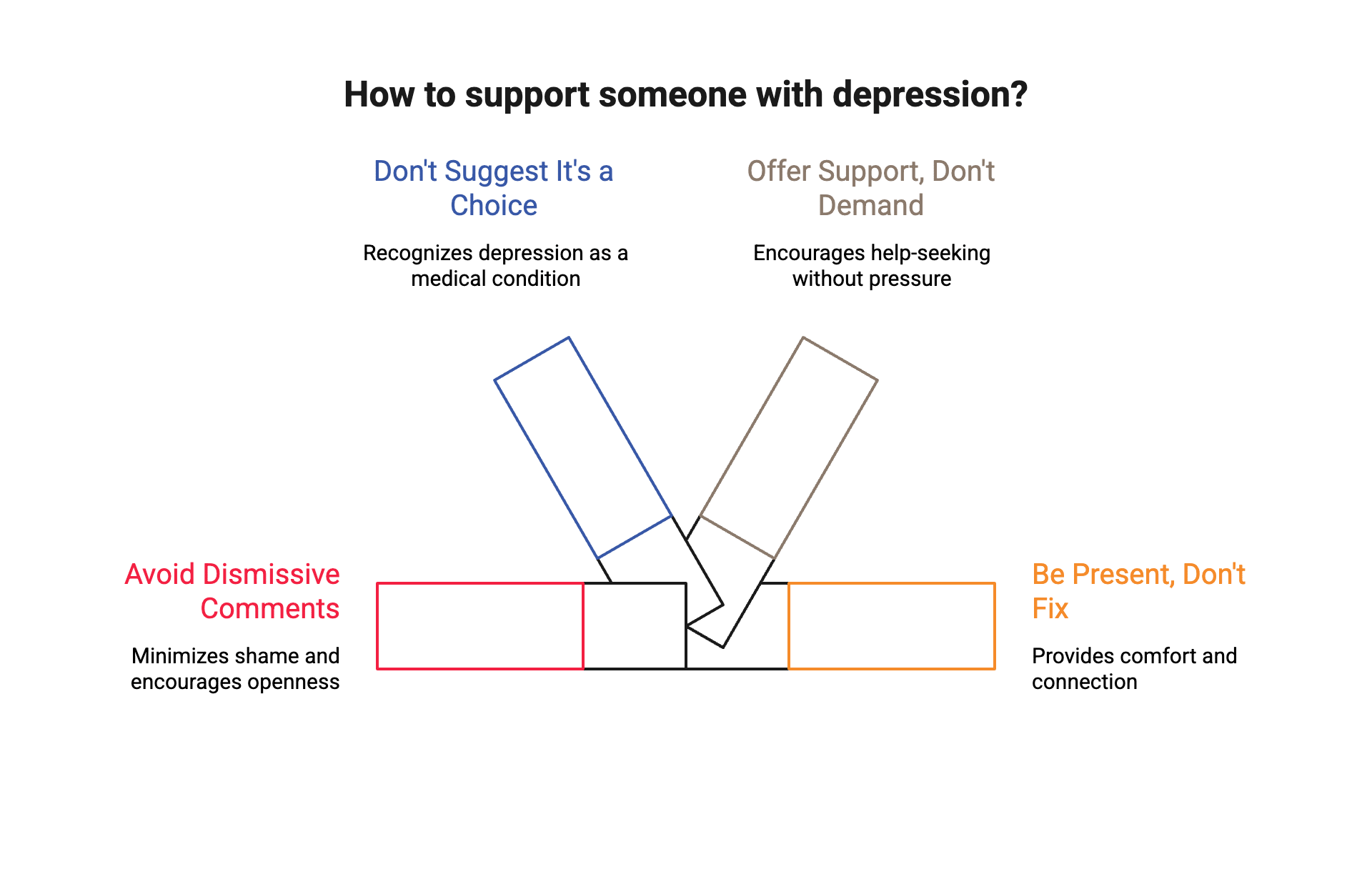
Avoid dismissive comments that minimize their experience. Phrases like “just snap out of it,” “you have nothing to feel sad about,” or “other people have it worse” can make someone feel ashamed and less likely to open up about their feelings.
Don’t suggest that depression is a choice or character flaw. Comments like “you just need to think more positively” or “you’re being dramatic” ignore that depression is a serious medical condition, not a personality problem. Major depressive disorder, persistent depressive disorder, and clinical depression are all legitimate types of depression that require proper diagnosis and treatment by qualified professionals.
Avoid pushing too hard or making demands. While encouraging help-seeking is important, saying “you need to just go to therapy” in a demanding tone can backfire. Instead, offer support: “I’m worried about you and I’m here. Would you be willing to talk to someone?”
Building a support system matters, but you shouldn’t be expected to fix someone’s depression. If a family member or loved one is showing signs of depression, your role is to express concern, listen without judgment, and help connect them with professional resources—not to become their therapist. Sometimes just being present and showing you care makes a difference.
When Is Depression an Immediate Risk?
If someone expresses suicidal thoughts or plans to harm themselves, this is an immediate risk requiring crisis help. Depression increases the risk of suicide significantly, and men are more than three times as likely to die by suicide than women. Research shows that older white men and middle-aged men face particularly elevated risk.
Warning signs of immediate risk include:
- Talking about wanting to die or feeling hopeless or trapped
- Withdrawing from everyone or giving away possessions
- Saying goodbye as if they won’t see people again
- Increasing drug use or engaging in increasingly dangerous risky behavior
If someone is in immediate danger, call 988 (the Suicide and Crisis Lifeline) or go to the nearest emergency room. These are toll-free services available 24/7. Don’t leave them alone until professional help arrives.
We take suicide risk seriously in every initial assessment, especially when working with men experiencing depression. In our experience, men are less likely to verbalize suicidal thoughts directly, so we listen for indirect signals—talking about being a burden, sudden calmness after a period of agitation, or giving away possessions. When we identify risk, we create a concrete safety plan together and ensure there’s a support network in place. Early, direct intervention saves lives.
How to Heal From Depression?
Healing from depression takes time and usually involves multiple approaches working together. There’s no single path that works for everyone, but research shows that most people can recover with the right combination of treatment and support.
Professional treatment forms the foundation of recovery. Working with a mental health professional to develop a treatment plan tailored to your specific needs is essential. This might include therapy sessions, medication, or both. Many men find that addressing the root causes of their depression—whether related to stress, past trauma, or life events—helps them heal more completely.
Lifestyle changes support the healing process too. Regular physical activity, adequate sleep, limiting alcohol and drugs, and maintaining social connections all affect mental health. Building a support system of family members, friends, or support groups provides emotional backing during recovery. Some men benefit from learning stress management techniques, practicing mindfulness, or finding healthy ways to express feelings.
Recovery isn’t always linear. There may be setbacks along the way, and that’s normal. The key is staying engaged with treatment and reaching out for help when symptoms worsen. With persistence and proper support, depression can be treated successfully. Most people who stick with treatment see significant improvement within several months.
Moving Forward
Depression in men is common, treatable, and nothing to be ashamed of. While many men feel pressure to stay silent about mental health struggles, recognizing symptoms of depression early and seeking help leads to better outcomes. Whether it’s persistent irritability, physical complaints, or withdrawing from loved ones, these signs deserve attention.
If you’re noticing symptoms in yourself or someone you care about, reaching out to a mental health professional is the first step. Therapy, medication, or a combination of both can help most people recover. The stigma is real, but so is the help available. Depression affects millions, and seeking treatment is a sign of strength.
Get Support in Dupont Circle
If you’re experiencing symptoms of depression, the therapists at Therapy Group of DC are here to help. Our practice in Dupont Circle offers talk therapy to support you through this. Schedule an appointment to get started.
Disclaimer: This article is for educational purposes only and is not a substitute for professional medical advice, diagnosis, or treatment. Always seek the advice of your physician or qualified mental health provider with any questions you may have regarding a medical or mental health condition. If you are in crisis or experiencing thoughts of self-harm, please call 988 (Suicide and Crisis Lifeline) or go to your nearest emergency room.