Therapy Group of DC
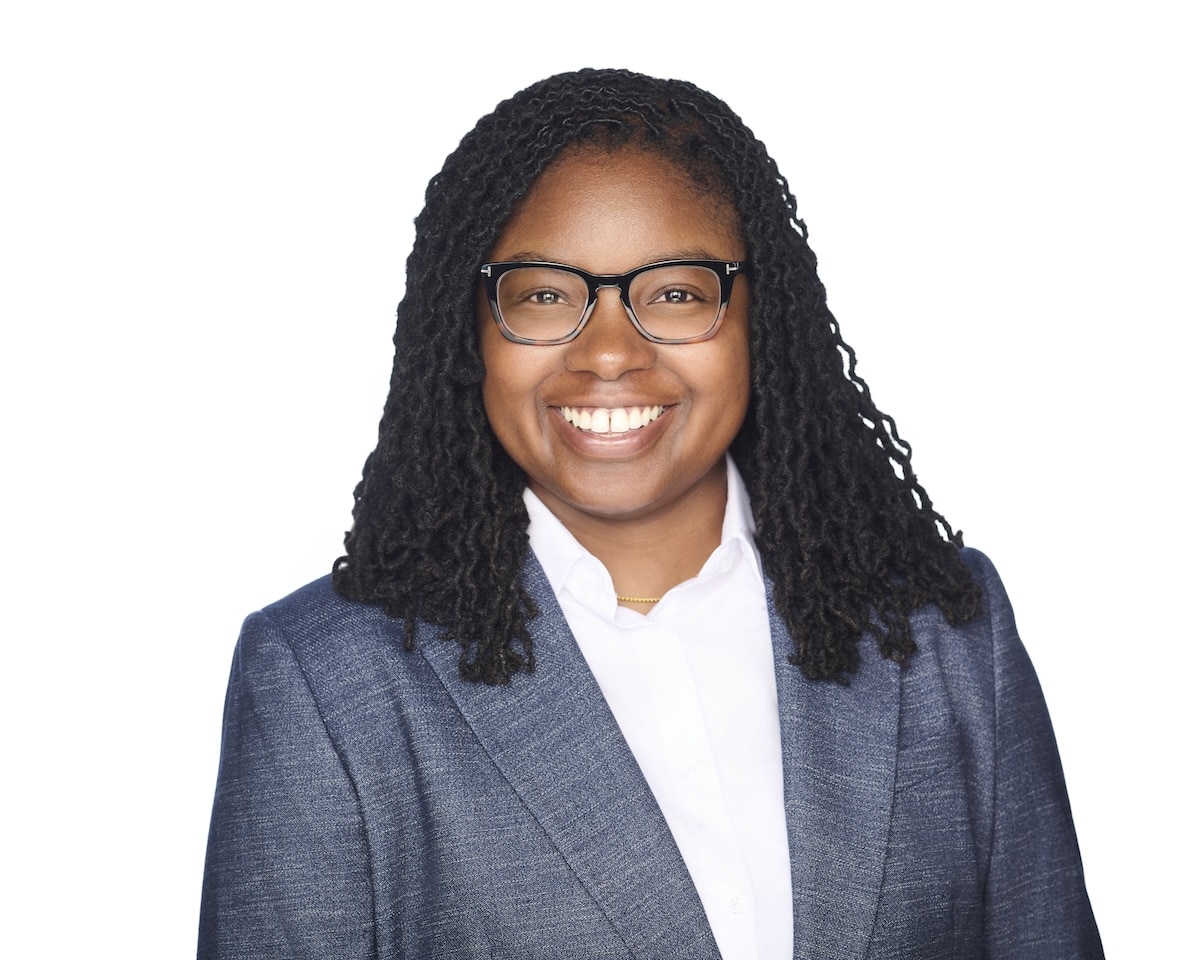
Caroline Adkins, MSW, LICSW
Identity, belonging & the relationships that shape you



About Caroline Adkins
Sometimes the hardest part of what you’re carrying is that it doesn’t fit neatly into words. You might feel out of step with the people around you, unsure where you belong, or stuck in the same painful places in your relationships without knowing why. I want to help you slow down and make sense of it, in a space where you don’t have to have it figured out first.
I’m interested in the whole of who you are: your history, your relationships, your culture and identity, and the particular ways you’ve learned to understand your own experience. Those ways of understanding usually made sense once. Therapy is a chance to look at which ones still serve you.
“I hope you leave the space we’ve created together with a stronger sense of self, more clarity in your relationships, and confidence in your ability to meet your trials and tribulations with courage.”
Caroline Adkins, MSW, LICSW, Therapy Group of DC
My Approach
I work psychodynamically, which means paying attention to how earlier experiences and relationships shape the way you feel, connect, and protect yourself now. My approach is also relational and humanistic. I believe the relationship between us is one of the most important tools we have, and I trust that you already hold real strengths, even when they’re hard to see.
Since earning my MSW I’ve kept training in this kind of work, completing a two-year certificate program in psychodynamic psychotherapy at the New Washington School of Psychiatry and a child and adolescent psychoanalytic fellowship at the Washington Baltimore Center for Psychoanalysis.
Our sessions will be open-ended rather than built around worksheets or a set agenda. I’ll follow what feels most alive for you and stay curious about the history behind it. I lean toward support more than confrontation, though I’ll gently point out patterns when it seems useful. The goal isn’t a quick fix. It’s an understanding of yourself that stays with you after our work ends.
Interested in working with Caroline Adkins?
Take the first step — we’ll help you get started.
Relationships and the Patterns We Repeat
Relationships are at the center of most of the work I do, whether you come in about a partner, a parent, a friendship, or a feeling of not quite connecting with anyone. Often the same thing keeps happening: the same kind of partner, the same argument, the same moment where you pull back or hold on too tightly. Those patterns usually began as sensible ways of staying safe or staying close to someone. They just tend to outlast the situations that created them.
I’ll help you notice what you bring to those patterns and what you’re hoping for underneath them, so you have more choice in how you respond. The relationship between us becomes part of that work too, a place to practice being known in a different way.
Identity, Culture, and Belonging
Questions of identity are central to my work, not a side topic. That includes cultural and racial identity, gender identity, sexual orientation, and the experience of being one of the few people like you in a room. Before I became a therapist I worked in university research labs studying microaggressions, social support, and the experiences of transgender students, and that work shaped how I listen.
You shouldn’t have to educate your therapist about who you are before you can get help. I’ll be curious about how your identities shape your relationships, your sense of safety, and the ways you’ve learned to fit in or stand apart.
If you’ve been trying to make sense of who you are and where you fit, and you’d like someone to think it through with you, I’m here for that work.
Educational Background
Common Questions
We’ll start by getting to know each other. I’ll want to hear what brought you in now, and I’ll pay attention both to what’s hurting and to the strengths you’ve relied on to get this far. I’m also interested in how you’ve come to make sense of your experiences, because the story you tell yourself about what’s happening matters as much as the events themselves. You don’t need to arrive with any of it organized. We’ll go at a pace that feels right to you.
It’s talk therapy focused on understanding rather than technique. Instead of following a set protocol, we look at the patterns underneath what’s bothering you: where they came from, what they once protected you from, and why they persist. I’ll also pay attention to what happens between us, since the way you relate in the room often echoes how you relate elsewhere. Sessions are conversational and open-ended, and the changes tend to hold because they come from understanding rather than from willpower.
Yes, including depression that has been around a long time or feels heavy enough that getting through the day takes real effort. I don’t think depression is solved by pushing harder. We’ll look at what it’s tied to, such as losses, disappointments, or feelings that never had a place to go. Alongside that, I’ll pay attention to your strengths and what still matters to you, because those are part of the way forward.
Yes. I work with teens 16 and older as well as adults. Some of my clinical work and post-graduate training has focused on adolescents, so I’m comfortable with the particular pressures of those years: school, family, friendships, and figuring out who you are apart from the people who raised you.
Yes. I see clients in person at our Dupont Circle office and by secure video anywhere in DC or Maryland.
Ready — or still deciding?
Either way, we’ll make it easy. Get started with Caroline Adkins directly, or tell us what you’re looking for and we’ll connect you with the right therapist. Takes a few minutes — no commitment.

Transparent Pricing & Insurance Support
Life in DC can be complicated. Insurance paperwork shouldn’t be. We handle the paperwork to make reimbursement simple.