Therapy Group of DC
You’ve probably had the experience of sitting across from a therapist and wondering whether you’ll need to educate them. Whether you’ll have to explain what minority stress is, or why coming out isn’t a one-time event, or that your relationship doesn’t need a straight template to be healthy. That kind of session takes energy you should be spending on yourself.
At Therapy Group of DC, our gay therapists and LGBTQ+ affirming clinicians bring clinical depth to the mental health concerns that gay, lesbian, bisexual, transgender, queer, and nonbinary clients face. We understand anxiety tangled up with identity, depression rooted in years of code-switching, and relationship issues that don’t follow the scripts most counselors were trained on. Whether you’re seeking psychotherapy for the first time or looking for a gay therapist in the DC area who actually understands your life, we’re here to help.
Our clients include gay men navigating dating and body image pressures, lesbian and queer women working through family dynamics and relationship difficulties, transgender and nonbinary individuals exploring gender identity or processing transition, and people still figuring out how the pieces of their queer identity fit together. Whatever you’re struggling with, you deserve a therapist who meets you where you are — without making your sexual orientation or gender identity the entire focus of every session.
Our team includes LGBTQ+ therapists and committed allies with specialized training in sexual orientation, gender identity, and the ways these intersect with everything else that brings people to counseling — work stress, grief, self-esteem, relationship issues, and the particular challenges of queer life in Washington DC.
A lot of our LGBTQ+ clients tell us the same thing in their first session: “I just want to talk to someone who gets it.” That’s what affirming therapy means: understanding the specific ways that identity, community, and minority stress shape your mental health. You shouldn’t have to teach your therapist how your life works.
What Is LGBTQ+ Affirming Therapy?
LGBTQ+ affirming therapy is a clinical stance that shapes every aspect of counseling and psychotherapy. It means your therapist treats your sexual orientation and gender identity as natural, healthy aspects of who you are, and brings real understanding of the specific mental health challenges that come with navigating a world that doesn’t always do the same. For gay, lesbian, bisexual, transgender, and queer clients, this creates a space where healing can happen without the exhausting work of self-explanation.
- Your identity isn’t the problem to solve. Affirming LGBTQ+ therapy addresses the real concerns that bring you in — anxiety, depression, relationship difficulties, career challenges — while understanding how identity shapes those experiences in specific ways.
- Minority stress gets named and addressed. The chronic stress of discrimination, microaggressions, internalized messages, and concealment affects your mood and reshapes how you relate to yourself and others. Our therapists understand this and address it directly.
- Your relationships are taken seriously. Whether you’re in a same-sex partnership, navigating open relationships or ethical non-monogamy, questioning your sexual orientation, or building chosen family — your relational world is treated with the same clinical depth as any other.
- Intersectionality matters. Your queer identity intersects with your race, culture, faith, class, and professional life. Good affirming counseling holds all of it, rooted in cultural competence and a commitment to social justice.
The goal is a more fulfilling life, which means addressing whatever is actually getting in the way. Whether that means working through mental health issues, deepening your relationships, or pursuing the personal growth you’ve been putting off, LGBTQ+ affirmative therapy creates the conditions for meaningful change.
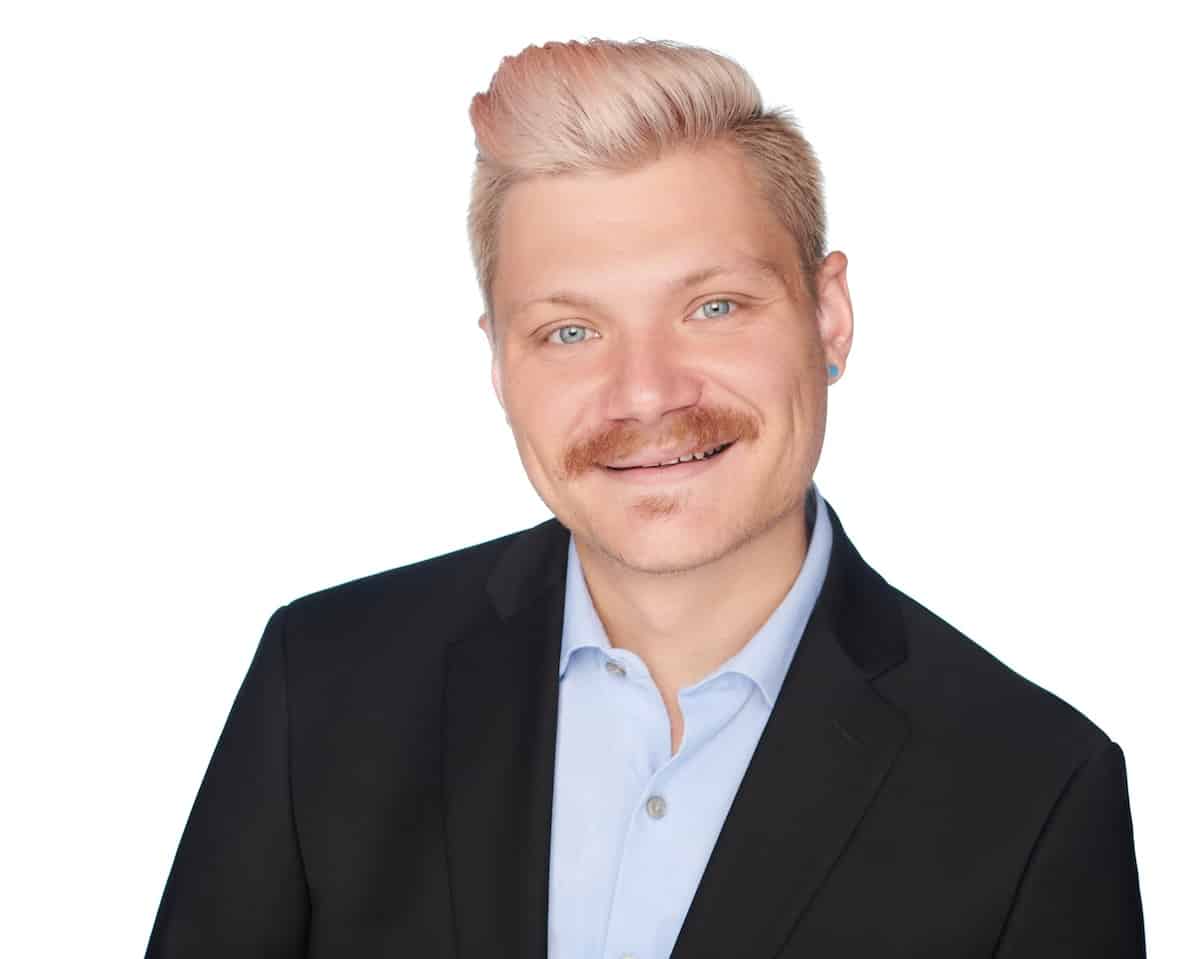 Kevin
Kevin
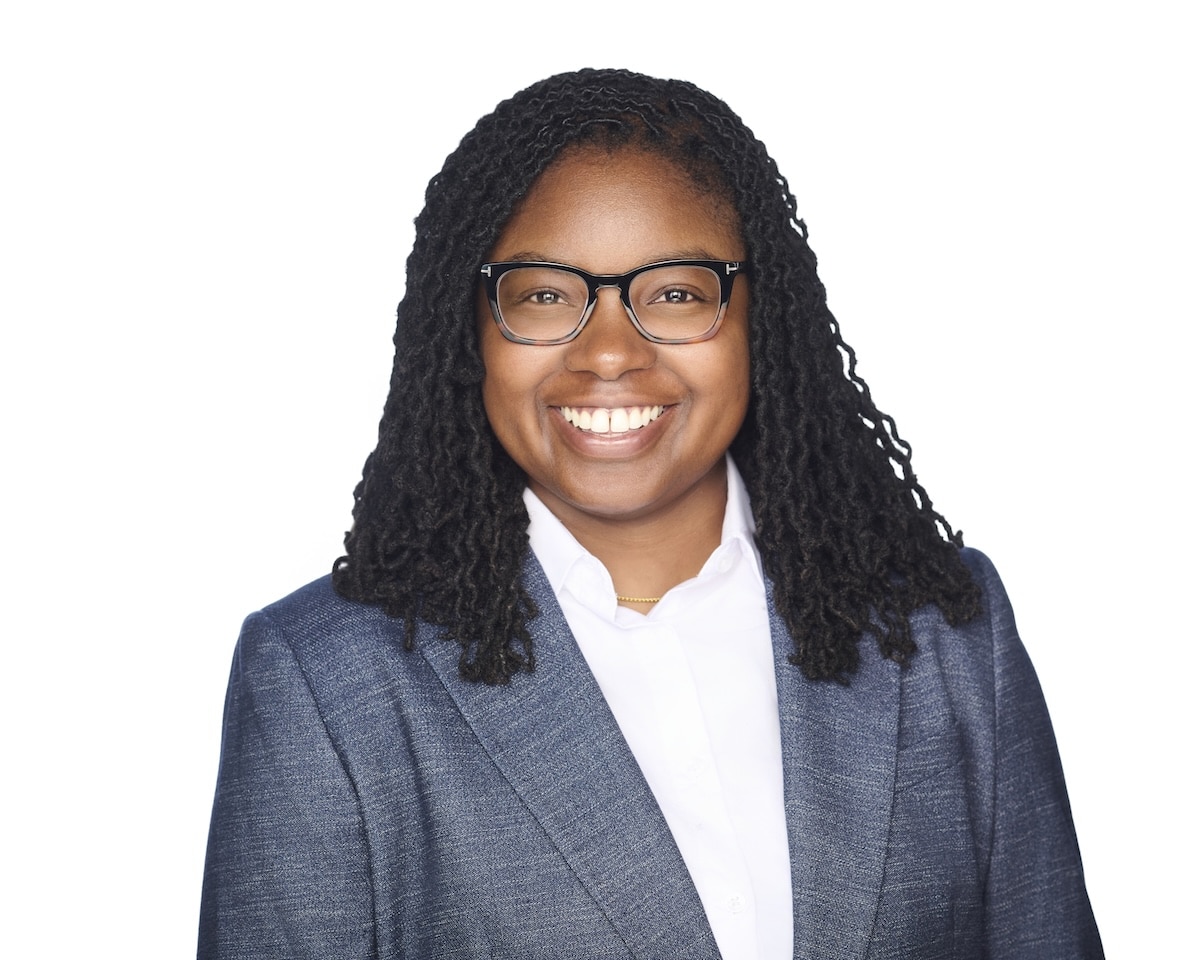 Dominique
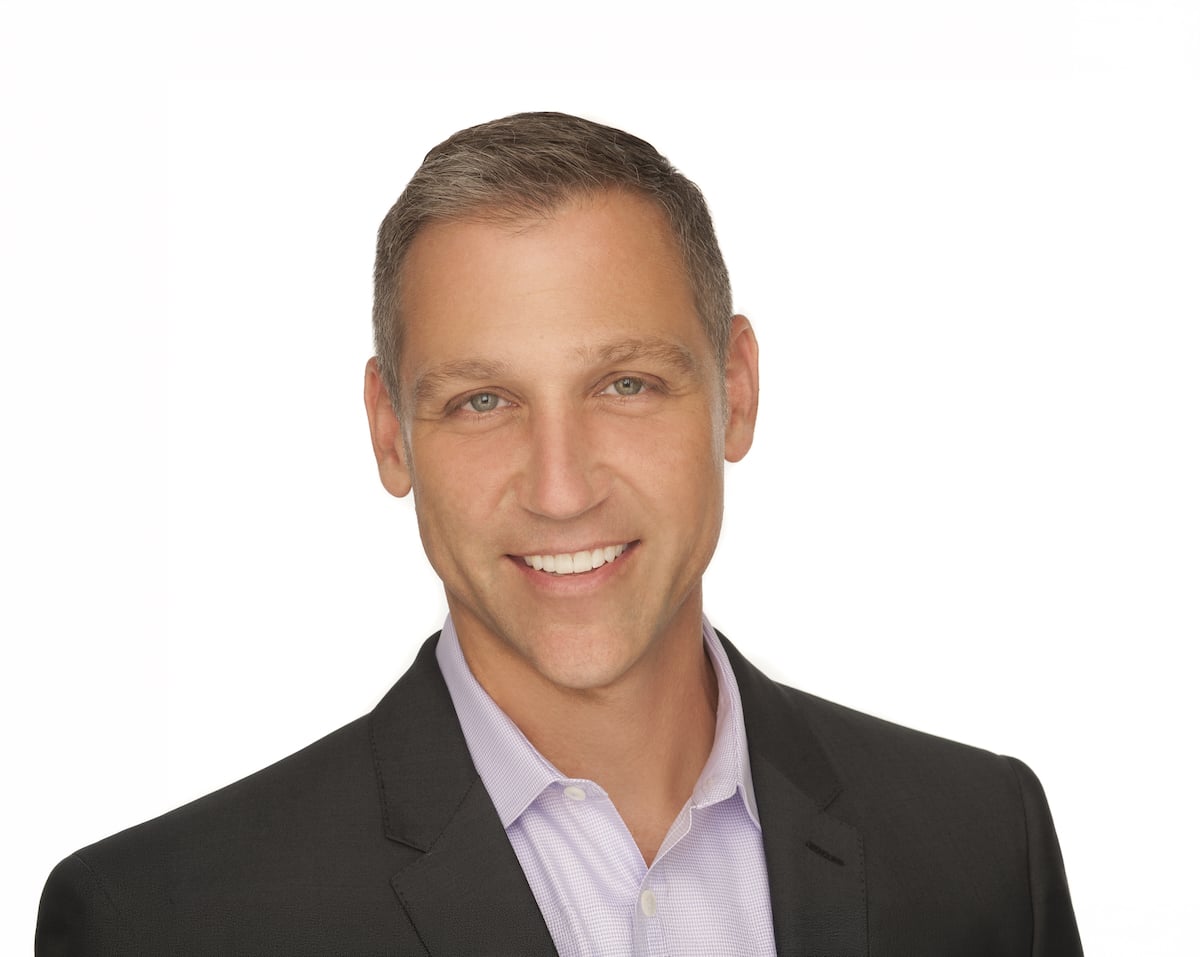 Keith
Keith
 Kevin
Kevin
 Angelyn
 Manon
Manon
Specialized Support for the LGBTQ+ Community
Some concerns benefit from a therapist who understands how identity, relationships, and mental health intersect. Explore our dedicated services for gay, lesbian, queer, and transgender clients:
Affirming couples therapy for same-sex partners, mixed-orientation relationships, and LGBTQ+ couples navigating trust, intimacy, and communication.
A sex-positive space to address desire, connection, sexual identity questions, and intimacy concerns — for individuals and couples.
Coming out, relocation, career shifts, building chosen family — support for the transitions that reshape your life and identity.
When worry is tangled up with identity, social pressure, or the weight of living in a world that doesn't always feel safe.
Addressing the depression that builds from years of code-switching, isolation, or carrying the weight of not being fully seen.
Body image and eating concerns in the gay and queer community — especially for gay men — deserve specialized, affirming support.
What Brings LGBTQ+ Clients to Therapy
The mental health issues our gay, lesbian, bisexual, transgender, and queer clients bring into sessions are often the same ones anyone brings — anxiety, depression, grief, relationship difficulties, self-esteem struggles, feeling stuck. The difference is context. Years of navigating minority stress, family rejection, workplace discrimination, or the exhaustion of living in a world that requires constant self-monitoring — these experiences shape mental health in ways that deserve specific understanding. We hear this from clients in the LGBTQ+ community every week: the issue isn’t who you are, it’s what you’ve had to carry.
For gay men, therapy and counseling often address body image pressures, intimacy and dating challenges, questions about masculinity, and the loneliness that can persist even in a city as queer-friendly as Washington DC. Many gay men in our private practice are high-achieving professionals who look fine on the outside but struggle with depression, substance use, eating disorders, or a sense of emptiness they can’t quite name. We also support gay male clients navigating open relationships, non-monogamy, and the community pressures that come with both.
For lesbian and queer women, counseling may focus on relationship patterns, family dynamics and the coming out process, career identity, or navigating spaces where your sexual orientation is invisible or dismissed. Our lesbian and queer clients often talk about codependency, boundary-setting in relationships, and the mental health effects of sexism compounded by heteronormativity. We create space to explore all of it.
For transgender and nonbinary individuals, affirming therapy provides support around gender identity exploration, social or medical transition, gender dysphoria and euphoria, navigating healthcare systems, and the grief that can come with lost relationships or missed experiences. Our therapists understand that your gender identity is personal and that your path is yours to define.
For bisexual, pansexual, and questioning individuals, sessions address the specific experience of erasure, the pressure to “pick a side,” navigating mixed-orientation partnerships where one partner may not fully understand, and the self-doubt that builds when even your own community struggles with internal biases.
You Deserve a Therapist Who Gets It
Our team brings clinical expertise to LGBTQ+ mental health. Let us match you with someone who fits.
Is LGBTQ+ Affirming Therapy Right for You?
You might benefit from working with one of our affirming therapists if you:
Our Approach to LGBTQ+ Affirming Counseling
Our therapists draw from multiple evidence-based approaches to psychotherapy, each adapted with the clinical depth and cultural competence that affirming care requires. Here’s what that looks like in practice:
Relational & Psychodynamic Therapy
Explores how your past — including identity development, family messages about sexual orientation, and early relationships — shapes how you relate to yourself and your partner today. This approach creates lasting change by working at a deeper level than surface coping.
Learn More →Narrative & Person-Centered Therapy
Helps you examine the stories you’ve internalized about who you are and who you’re supposed to be — then create new ones. Especially powerful for gay, lesbian, and queer clients working through shame, self-acceptance, and reclaiming their experience.
Integrative Affirming Approaches
Many of our therapists combine elements of CBT, sex therapy, relational and psychodynamic work, feminist therapy, and existential approaches — always grounded in an affirming framework that treats identity as a strength. We tailor each session to what will actually help you move forward.
What to Expect from LGBTQ+ Therapy Sessions
Healing is personal, and no two paths look the same. But here’s a general sense of how sessions unfold when you work with one of our affirming therapists:
Getting oriented
Your first sessions are about building a relationship with your therapist — someone you can actually talk to honestly. We’ll discuss what brought you in, what you want to work on, and how your identity connects to your concerns. No intake checklists. Just a real conversation where you can talk openly about what you’re going through.
Building understanding
Together, you’ll start to see patterns — how minority stress shows up in your body and relationships, how internalized messages affect your self-esteem, how family dynamics and past experiences shape your current struggles. This is where counseling moves from talk to deeper understanding.
Active change
This is where understanding turns into doing things differently — setting boundaries, shifting relationship patterns, challenging the beliefs that have been running the show. Your therapist supports you in trying out new ways of being.
Integration & growth
As sessions progress and you build confidence in who you are, therapy shifts toward maintaining what you’ve built and recognizing early warning signs. The goal is that you leave with a fundamentally different relationship to yourself — one that supports a more fulfilling life on your own terms.
Why Washington DC Chooses Therapy Group of DC for LGBTQ+ Affirming Care
The specific challenges of queer life in DC
Washington DC is one of the most LGBTQ+-friendly cities in America, but “friendly” doesn’t mean easy. DC’s professional culture creates particular challenges for gay, lesbian, and queer individuals: government employees navigating security clearances and identity disclosure, policy professionals working on legislation that directly affects their community, nonprofit leaders carrying missions while managing their own mental health. The city attracts ambitious people — and the gap between professional success and personal fulfillment can feel especially sharp when your sexual orientation or gender identity adds layers most colleagues don’t see.
LGBTQ+ affirming therapists with clinical depth
Our team, most of it doctoral-level, has specialized training in the intersection of sexual orientation, gender identity, and mental health. When you work with us, you’re matched with a gay therapist or affirming clinician whose expertise fits your experience. Our team includes therapists who practice sex therapy, LGBTQ+ couples counseling, trauma-informed and relational therapy, and narrative therapy for identity work.
What meaningful, lasting change looks like
Real progress means changing your relationship to yourself at a deeper level — so that anxiety isn’t your default, depression doesn’t define your days, and your relationships reflect who you actually are. Our committed team of therapists helps gay, lesbian, bisexual, transgender, and queer clients create a life that feels like theirs — one where seeking support is a sign of strength.
We built this practice around one idea: the relationship between you and your therapist is one of the most consistent predictors of whether treatment helps. That’s especially true for LGBTQ+ clients, where trust has often been broken by systems and people who were supposed to help. We take matching seriously because we know it matters.
Our LGBTQ+ Affirming Therapists
Each of our therapists brings a different perspective to affirming care for the LGBTQ+ community. We’ll help you find the right match — someone who understands your unique needs and the challenges you’re facing. You can hear more about each clinician’s approach on their profile page.