Therapy Group of DC
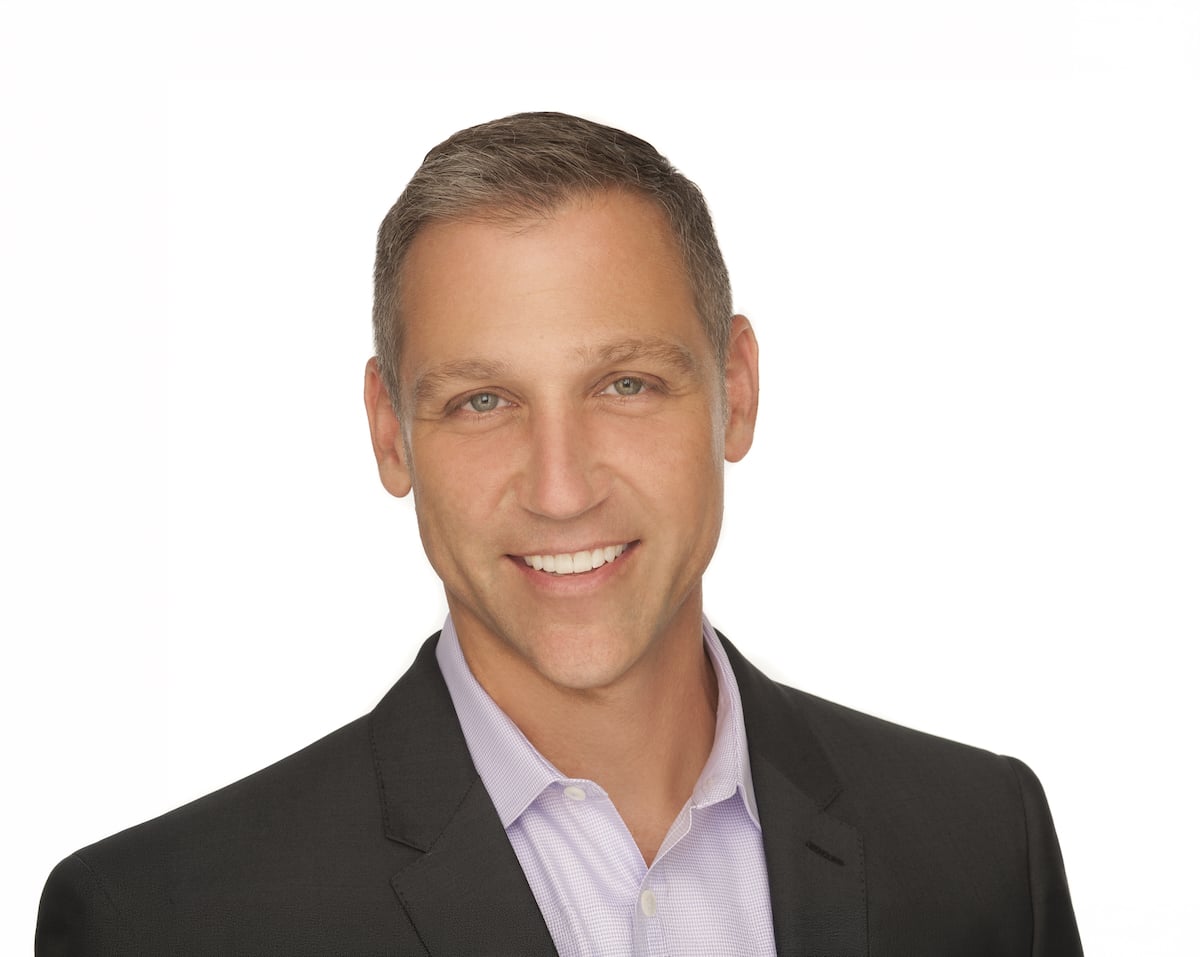
Dr. Keith Clemson, Ph.D., LPC
Rebuilding emotional connection and trust in relationships



Hear directly from Keith
In this brief introduction, Keith shares what drew him to Therapy Group of DC, how he approaches couples therapy differently, and the lesson that has shaped his work most as a therapist.
“I don't see blame; I see the couple is hurt. With my help, we work through problems and begin to develop a more connected relationship.”
— Keith Clemson, Ph.D., Therapist DCAbout Dr. Clemson
If your relationship feels like you’re speaking two different languages — or if you’ve stopped speaking altogether — that disconnection is telling you something important. I work with couples and individuals who are stuck in patterns that aren’t working anymore: the same arguments on repeat, the growing distance, the feeling that you’re roommates instead of partners. My job is to help you understand what’s happening underneath those patterns and find a way back to each other.
I specialize in Emotionally Focused Therapy, which is one of the most researched and effective approaches to couples work. But what that really means is this: I pay close attention to what’s happening emotionally between two people — the things that don’t always get said out loud. The hurt behind the criticism. The fear behind the withdrawal. When couples start to recognize those deeper emotions in themselves and each other, something shifts. The cycle that felt impossible to break starts to loosen.
“I emphasize building deeper personal and emotional connections, and establishing healthier and more satisfying relationships.”
Keith Clemson, Ph.D., LPC, Therapist DC
My Approach
My approach is rooted in attachment — the idea that our earliest relationships shape how we connect, what we expect, and what we do when we feel threatened in a relationship. That doesn’t mean we spend every session talking about your childhood. It means I’m listening for the patterns: where you learned to shut down, or to push harder, or to keep the peace at your own expense. Understanding those patterns is what makes it possible to choose something different.
I’m comfortable working with big emotions. I won’t rush past them or redirect you toward something more manageable. When someone finally says the thing they’ve been afraid to say — and their partner actually hears it — that’s where the real work happens. I’ll challenge you when it matters, but always from a place of genuine care for both people in the room.
Interested in working with Dr. Clemson?
Take the first step — we’ll help you get started.
I’ve worked with over 350 couples in my career, and one thing I’ve learned is that most couples don’t come in because they’ve stopped caring. They come in because they care deeply and can’t figure out how to show it in a way that lands. Whether you’re navigating infidelity, considering separation, working through a major life transition, or just want to feel close again — I’ve been in that room, and I know how to help.
I also work with individuals — particularly around depression, grief, identity, and relationship patterns that keep showing up. The same attachment lens that helps couples understand each other helps individuals understand themselves. If you’re noticing that you keep ending up in the same kinds of relationships or the same kinds of conflicts, there’s a reason for that, and it’s worth exploring.
Educational Background
Common Questions
I’ll start by creating a space where you can tell me what’s going on — what brought you here and what you’re hoping will change. If you’re coming as a couple, I’ll want to hear from both of you, and I’ll be paying attention not just to what you say but how you say it to each other. I’m not taking sides or keeping score. I’m trying to understand the cycle you’re caught in so we can start to shift it. By the end of the first session, you should feel like I get what you’re dealing with — and have a sense of where we’re headed.
EFT is built on attachment science — the idea that we’re wired to need emotional connection with the people closest to us, and that most relationship conflict is actually about whether that connection feels safe. Unlike approaches that focus mostly on communication skills or conflict resolution techniques, EFT goes deeper into the emotional patterns driving the conflict. I’m helping you and your partner recognize the dance you’re doing — pursuer and withdrawer, for example — and understand the vulnerable feelings underneath. It’s one of the most researched couples therapy models, with strong outcomes even for couples in significant distress.
Absolutely. I work with couples at every stage — from people who want to strengthen a good relationship to people who are genuinely questioning whether to continue. I don’t come in with an agenda about whether you should stay or go. My job is to help you both get clear about what’s actually happening between you, what you each need, and whether those needs can be met in this relationship. Sometimes that clarity leads to reconnection. Sometimes it leads to a healthier separation. Either way, you’ll make the decision with more understanding than you have right now.
Yes — I see individuals alongside my couples work. A lot of what I bring to individual therapy comes from the same attachment framework. If you’re dealing with depression, grief, identity questions, or relationship patterns that keep repeating, we’ll explore how those patterns developed and what’s keeping them in place. It’s not just about understanding your past — it’s about using that understanding to make different choices in the present.
Ready — or still deciding?
Either way, we’ll make it easy. Get started with Dr. Clemson directly, or tell us what you’re looking for and we’ll connect you with the right therapist. Takes a few minutes — no commitment.

Transparent Pricing & Insurance Support
Life in DC can be complicated. Insurance paperwork shouldn’t be. We handle the paperwork to make reimbursement simple.