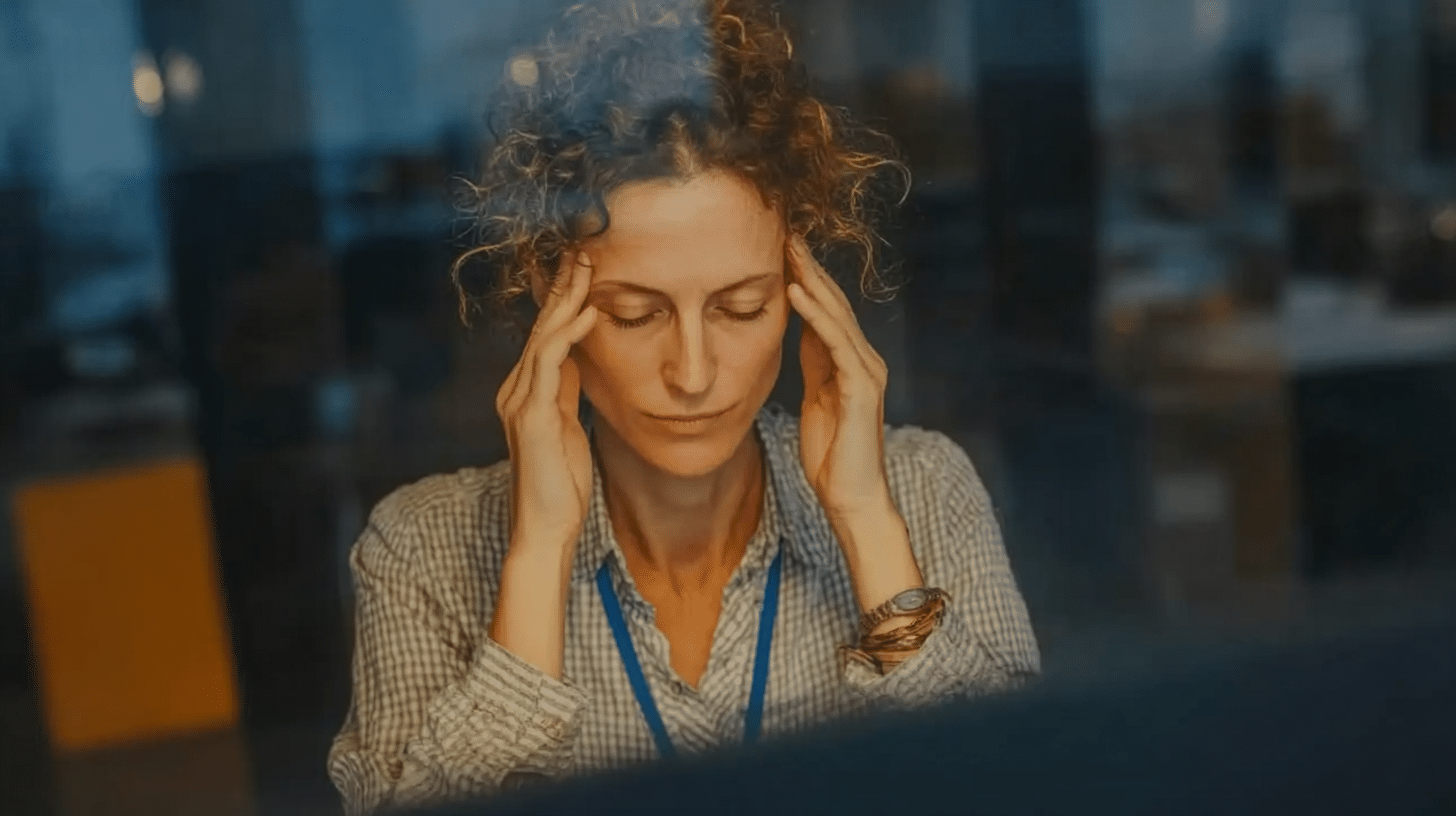

In simple terms: Acute stress is short‑lived and useful—it’s your body’s helpful surge to handle a challenge (think: a tight deadline or a near‑miss on 16th Street). Adrenaline helps prepare the body to take action by increasing heart and breath rates. Chronic stress is when that stress response stays switched on for an extended period, which can erode sleep, mood, focus, digestion, immunity, and heart health.
What is acute stress, and why does it help?
Acute stress is a fast rise‑and‑fall of stress hormones that sharpens attention and reaction time for a specific situation. Once the moment passes, your system returns to baseline. That quick “on/off” pattern is part of a healthy stress response system made for short, focused efforts.
What is chronic stress, and how is it different?
Chronic stress is a prolonged state—weeks or months—when demands feel constant (political news cycles, long hours, caregiving, cost of living, traffic). The stress response never fully turns off, so tension, worry, and fatigue pile up. Common stress symptoms include restless sleep, headaches, muscle tightness, irritability, brain fog, GI upset, and higher blood pressure. Over time, sustained activation can lower aspects of the immune system, making you more susceptible to illness. Chronic stress can also cause immune dysfunction and low-grade inflammation.
Is chronic stress curable?
Rather than a switch you flip, chronic stress is a pattern you retrain. The good news: evidence‑based skills reduce stress and improve day‑to‑day functioning.
What works: Learnable skills—mindfulness, relaxation, CBT, regular movement, and well‑designed digital programs—can reduce stress and improve sleep. For example, a 6‑week online course lowered stress and improved sleep, and a large review found web‑based programs meaningfully reduce stress. Current clinical guidance recommends combining several of these skills for the best results.
How do I know if I’m stuck in chronic stress?
If several of these ring true most days, you may be in a chronic stress pattern:
- I feel “revved” or drained (or swing between the two).
- I wake unrefreshed and rely on caffeine to function.
- I’m more reactive with people I care about.
- I get tension headaches, jaw clenching, or shoulder tightness.
- I have GI discomfort or appetite swings.
- I’m doomscrolling and sleeping worse.
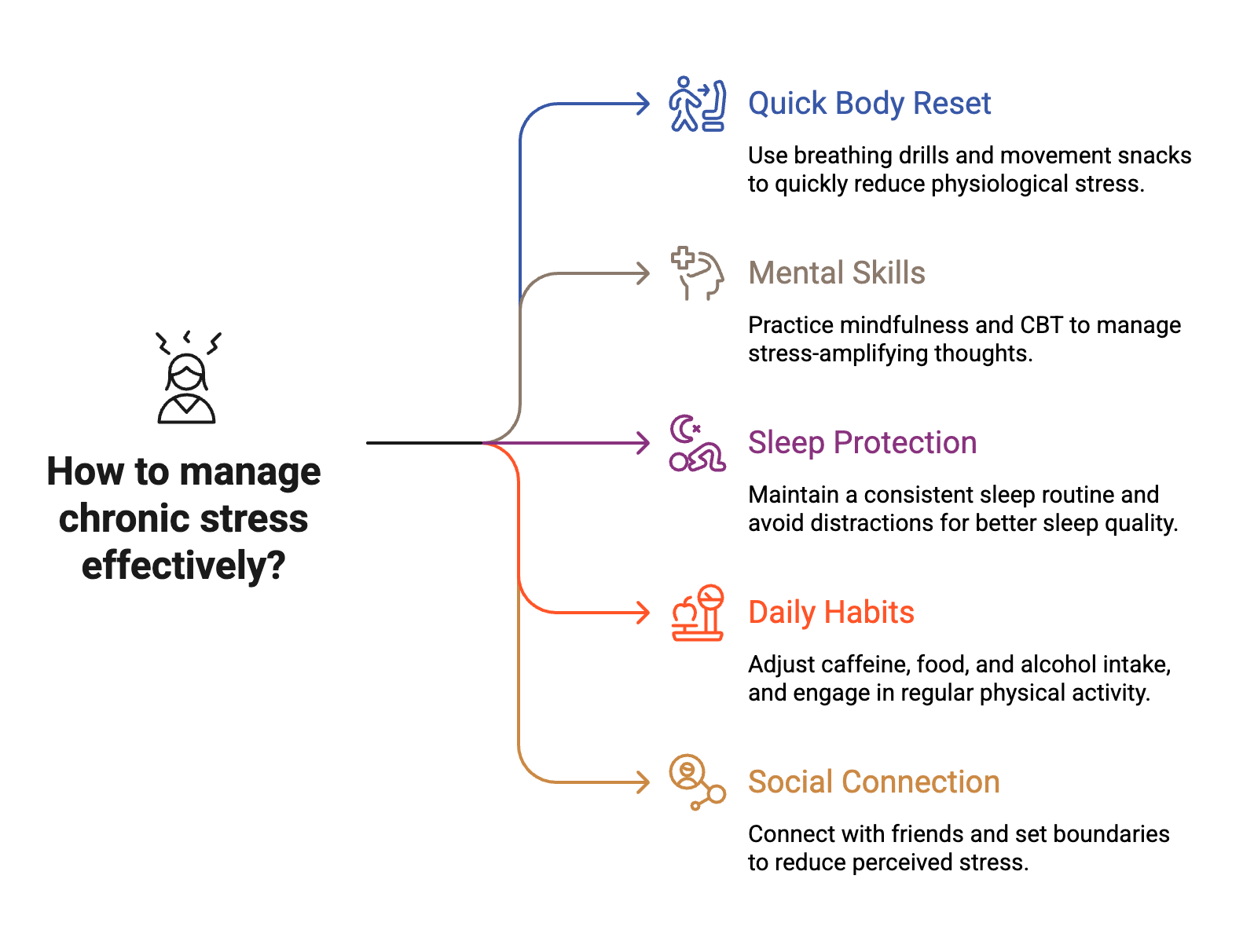
How can I manage chronic stress effectively?
How do I reset my body quickly?
- Breathing drills (box or 4‑7‑8), 2–4 minutes. Slow nasal exhales tell the body it’s safe.
- Movement “snacks”: 3–10 minutes of walking, stairs, light mobility to discharge tension and steady heart rate.
- Daylight + posture: step outside for natural light; sit tall to cue alertness without more coffee.
Why this helps: Relaxation training reliably lowers physiological arousal.
What mental skills reduce stress?
- Mindfulness to unhook from worry loops. Brief, present‑moment practices reduce perceived stress and reactivity; even app‑based mindfulness can lower subjective and physiological reactivity in high‑stress users.
- CBT to test sticky thoughts. CBT helps you notice and change stress‑amplifying thinking and behaviors; evidence from adult treatment trials shows CBT improves coping and reduces distress.
- Micro‑recovery scheduling. Protect short breaks between meetings to prevent all‑day arousal creep.
How can I protect my sleep under stress?
- Keep a same‑time wind‑down; make your bedroom cooler and darker; keep phones out of bed.
- If awake >20 minutes, do a brief low‑light reset (quiet reading, stretch) and try again.
What daily habits lower stress?
- Caffeine: earlier in the day; avoid the stress‑plus‑espresso spiral.
- Food: anchor meals; include protein + fiber to steady energy and mood.
- Alcohol: lighter nights, not nightly—alcohol fragments sleep and spikes next‑day anxiety.
- Physical activity: regular movement supports mood and stress regulation (even brisk walking counts). Physical activity increases the production of good-feeling endorphins and decreases stress hormones.
How do people and boundaries reduce stress?
- Text a friend to walk, co‑work, or cook; social connection lowers perceived stress.
- Set news windows instead of all‑day political drip; curate push alerts.
- Use trusted, well‑rated stress‑management apps to practice skills when time is tight.
When to see a mental health professional
- Stress is disrupting work, school, caregiving, health, or relationships.
- You’re seeing panic, persistent low mood, or thoughts of self‑harm.
- A therapist can tailor CBT, mindfulness‑based work, and sleep skills; if needed, they’ll coordinate with your medical team.
If stress is making it hard to function or you feel very sad, anxious, or hopeless, reach out—effective treatments and support are available.
Why this matters locally
DC’s mix of high‑stakes work, policy churn, and long commutes can keep the stress response in a constant state of “nearly on.” Naming the pattern—and using small, evidence‑based steps—helps restore steadier days.
Start a calmer chapter
If you’re ready to retrain your stress patterns with a warm, evidence‑based therapist, we’re here in Dupont Circle.
Frequently Asked Questions about Chronic Stress
What are common symptoms of chronic stress?
Chronic stress can cause a variety of symptoms including muscle tension, digestive problems, trouble sleeping, headaches, and emotional symptoms such as anxiety disorders and feeling overwhelmed. These symptoms of stress can affect your overall health and daily functioning.
How does chronic stress affect the nervous system?
Chronic stress triggers prolonged activation of the nervous system, particularly the stress response system involving the adrenal glands. This leads to elevated cortisol levels and other stress hormones that affect physiological responses, potentially causing high blood pressure and weakening the immune response. Negative feedback mechanisms control the stress response, and if these fail, stress becomes chronic.
Can chronic stress contribute to serious health problems?
Yes, prolonged stress can increase the risk of developing stress-related diseases such as heart disease, type II diabetes, metabolic syndrome, and depression. It can also lead to neuronal atrophy in brain areas like the prefrontal cortex, impacting cognitive and emotional well-being.
What lifestyle changes help to relieve stress and improve well-being?
Incorporating physical exercise, practicing mindfulness and breathing exercises, eating healthy foods, and prioritizing more sleep are effective stress management strategies. Listening to an audiobook, a relaxing podcast, or soothing music during commutes can help de-stress. These lifestyle changes help restore homeostasis and reduce the negative stress effects on the body.
When should I seek help from a healthcare provider?
If you experience persistent symptoms of stress that disrupt your daily functioning, it is important to consult a healthcare provider, who can offer treatment options and support to manage chronic stress effectively. If you are having thoughts of suicide, call or text 988 right away, and in a medical emergency, call 911.