

Life in DC can pile on: tough schedules, packed Metro rides, and news that never stops. To build emotional resilience and manage stress in Washington, DC, start small and stay consistent. Emotional resilience isn’t about never feeling stress; it’s about having simple tools you can use right away so stress doesn’t run the show. Chronic stress can weaken the immune system and lead to health issues, while emotional resilience helps manage stress effectively.
What simple routine helps me feel less stressed this week in DC?
In simple terms, a short, repeatable routine calms your body and clears your head. This sequence acts as a set of coping skills that help manage stress and build emotional resilience. Try this quick sequence: label what you feel, slow your breath, reframe the story, then take one tiny next step. People with emotional awareness understand what they’re feeling and why, which is a key part of building resilience.
- 90‑second reset:
- Label the feeling: quietly name it (e.g., “tense,” “overwhelmed”).
- Breathe 4 slow breaths with longer exhales than inhales.
- Reframe: ask, “What else could this mean?” and choose a kinder, more useful thought (this is called cognitive reappraisal). A large 2024 review of studies shows reappraisal is a reliable, trainable way to lower distress and function better.
- Tiny forward step: Send one email, set one boundary, drink water, or stand and stretch. Small actions create momentum.
What can I do in 60 seconds when I feel stressed in a meeting?
Use a discreet breath pattern, name the feeling to yourself, and reframe the trigger so you can respond—not react. These techniques are especially useful in meetings, which are often stressful situations requiring quick stress management strategies. Emotional resilience enhances performance by helping individuals stay focused under pressure and adapt to change in a work environment.
- Box breath: inhale‑hold‑exhale‑hold for a count of four to lower arousal.
- Name it to tame it: “I feel keyed‑up.”
- Quick reframe: “This pressure means the work matters. I can take one solid step now.” A 2022 study links reappraisal and mindful attention with lower stress in daily life.
Resilient people believe that they are in control of their own lives, which is associated with less stress.
How much sleep do I really need to stay emotionally resilient?
In simple terms, steady sleep keeps mood, focus, and stress systems on track. Most adults do best with a regular sleep/wake time and a simple wind‑down routine most nights.
- Protect the bookends: keep the same wake time; go phone‑free the last 30 minutes before bed.
- Wind‑down menu: warm shower, light stretch, or a few pages of a paper book.
- Why it matters: Sleep supports emotion regulation, overall well-being, and recovery—core pieces of resilience models backed by clinical research.
How can I set healthier boundaries with news and notifications to protect my emotional resilience?
Here’s why this matters: short, scheduled check‑ins beat all‑day doom‑scrolling. Setting boundaries with news and notifications is essential for protecting your mental health, supporting emotional resilience, and reducing stress from constant information overload. Put news in a clear container so your attention can return to what you can control.
- Two windows a day: for example, 10 minutes mid‑morning and 10 minutes early evening.
- Kill push alerts from non‑humans; batch the rest.
- Swap one scroll for one stroll: take a five‑minute walk or do a quick stretch.
- Science backdrop: Practices that train attention, reward, and connection systems help the brain handle stress better than willpower alone—see this neuroscience overview.
How do relationships make me more emotionally resilient in a high‑pressure city like Washington, DC?
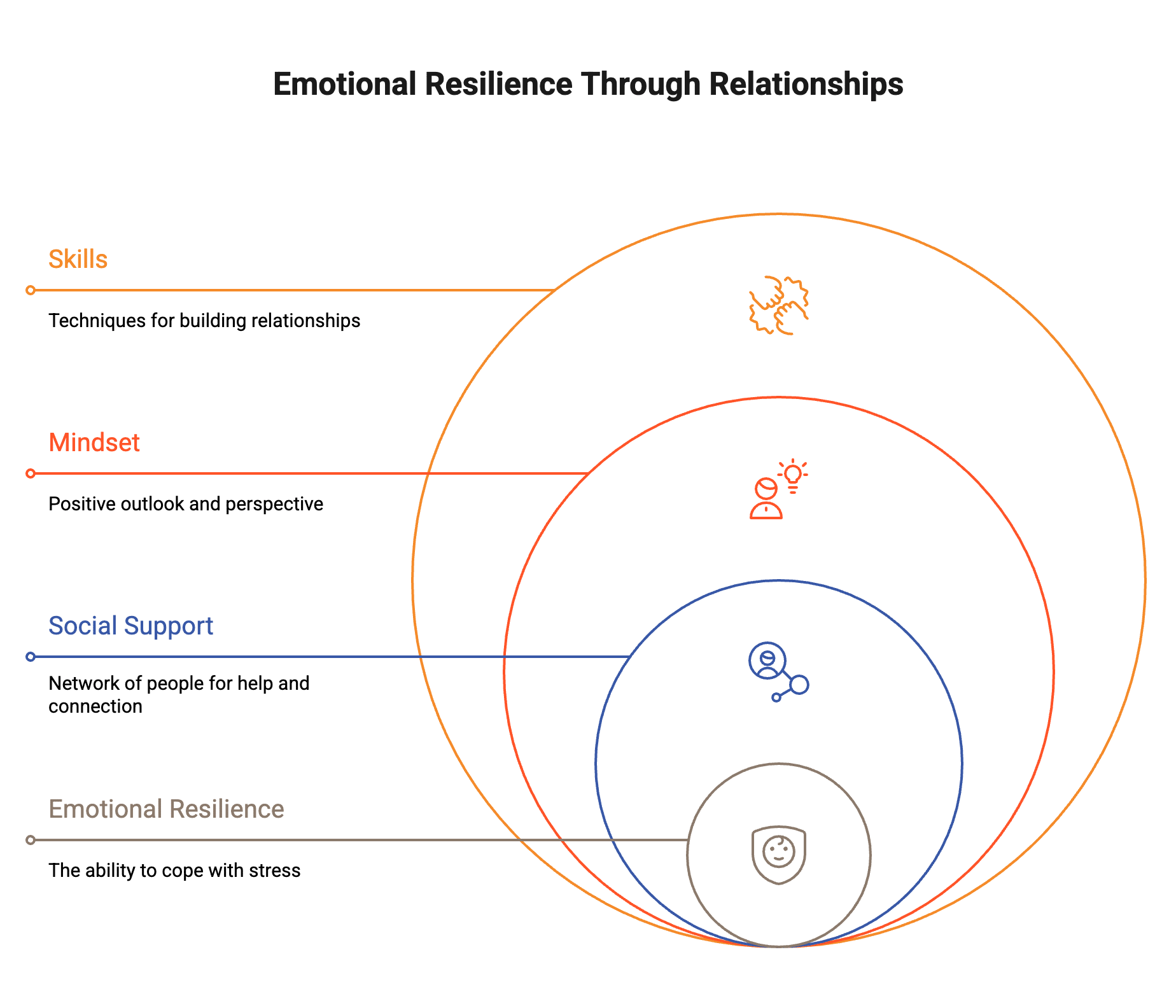
In simple terms, strong, safe relationships buffer stress and help your nervous system settle. Taking steps to build relationships is a key part of emotional resilience, as it fosters social support and a sense of connectedness. Treat connection as a weekly practice, not a luxury.
- Support map: list three people you can text for practical help, listening, and perspective.
- Micro‑rituals: a Tuesday walk, a Thursday coffee, or a Sunday call.
- Use connection in the moment: “Can I borrow your brain for two minutes?”
- Why it works: Resilience grows with skills, mindset, and social support—protective factors that reinforce each other over time—summarized in a 2019 review.
When is it time to ask a DC therapist for extra support?
In simple terms, reach out if stress lingers for weeks, crowds out sleep or work, or you’re using coping strategies that backfire. You don’t have to wait for a crisis—consider contacting a mental health professional if you need extra support.
As people build emotional regulation skills in therapy, we often see them learn from mistakes and treat obstacles as challenges.
- Green‑to‑red check: if most days feel yellow or red for two weeks, it’s time to talk.
- Add coaching: a mental health professional, such as a therapist, helps you tailor reappraisal, mindfulness, and habit change to your life in DC.
- Local note: If you’d like support nearby, the Therapy Group of DC in Dupont Circle offers depth‑oriented, evidence‑based care.
How to use these on the go in DC
- Metro moments: run the 90‑second reset between stops.
- Before a big meeting: box breath + one‑line reframe before walking in.
- Dupont debrief: text a friend a two‑sentence summary of the day.
Stress happens. Resilience is learned. Small steps add up—and support speeds learning. In a busy city like DC, consistency beats intensity.
Frequently Asked Questions About Emotional Resilience
What is emotional resilience and how does it relate to psychological resilience?
- Metro moments: run the 90‑second reset between stops.
- Before a big meeting: box breath + one‑line reframe before walking in.
- Dupont debrief: text a friend a two‑sentence summary of the day.
How can I start building resilience in my daily life?
Building resilience involves developing coping skills, fostering emotional understanding, and nurturing positive emotions. Practices such as resilience training, mindfulness, self-care including enough sleep and physical activity, and cultivating strong relationships with loved ones can enhance resilience and support mental well-being.
What role does emotional intelligence play in fostering resilience?
Emotional intelligence, which includes emotional perception, emotional regulation, and emotional understanding, is positively correlated with greater resilience. It helps individuals respond to stress with a hopeful outlook and positive affect, reducing the risk of a victim mentality and depressive symptoms. Practicing self-compassion after setbacks helps reinforce emotional resilience.
Can building resilience improve physical health?
Yes, improved resilience not only supports mental health but also has a positive association with physical health. Managing stress effectively through resilience building can reduce the impact of chronic pain and other stress-related health issues.
When should someone seek help from a mental health professional for resilience building?
If stress and negative emotions persist despite self-care and coping strategies, or if depressive symptoms and anxiety interfere with daily life, consulting a mental health professional is advisable. Professional support can provide tailored resilience training and effective stress management techniques.