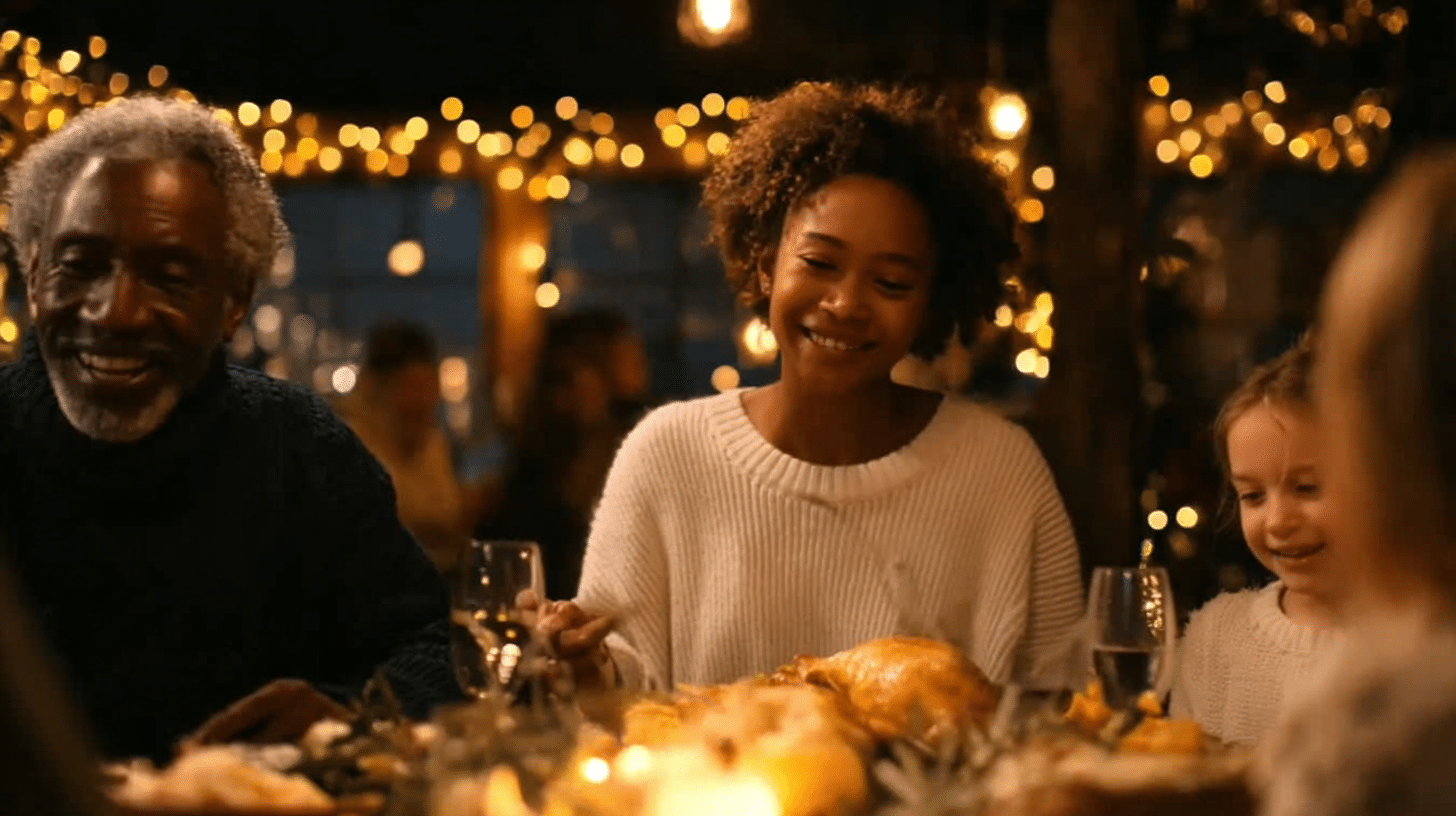

The holidays can feel overwhelming when you’re grieving. While everyone around you seems full of holiday spirit—decorating their homes, attending holiday parties, enjoying the seasonal lights around DC—you might be struggling with painful emotions and memories of your loved one. Grief during the holidays is especially challenging during family gatherings, where expectations to celebrate can clash with your need to grieve. There’s no right or wrong way to navigate this difficult time—what matters most is honoring your feelings while finding ways to cope.
Why Do the Holidays Feel So Hard When You’re Grieving?
Holidays amplify grief because they’re tied to memories, traditions, and the physical absence of someone you love. Family gatherings trigger intense emotions as you notice the empty chair at the table or realize certain holiday traditions will never be the same.
The holiday season comes with social expectations to feel joyful and festive. When you’re experiencing grief, this pressure can make you feel isolated or like something is wrong with you. Grief is a natural response to loss, and the contrast between your inner sadness and outer festivities creates real emotional challenges. Holiday grief often feels more intense because everyone around you expects celebration.
The first holiday season after a death is particularly difficult. Everything feels different, and you’re navigating traditions without your loved one for the first time. Each moment can bring fresh waves of grief mixed with memories of past celebrations.
How Do You Get Through Holidays While Grieving?
Planning ahead is your strongest tool for managing grief during family gatherings. Think through which holiday events you want to attend and which ones might be too overwhelming. You don’t have to participate in everything—it’s okay to set boundaries around what you can handle. Planning ahead helps you navigate holiday grief with more control.
Consider these strategies for coping with grief during the holidays:
- Decide what traditions to keep or change. You might honor family traditions in modified ways, or create new rituals that feel more manageable this year.
- Plan breaks during gatherings. Give yourself permission to step outside, take a walk, or find a quiet space when emotions feel too intense.
- Communicate your needs beforehand. Let family members know you might need to leave early or take time alone.
- Have a support person on call. Identify a trusted friend you can text or call if you need to talk during difficult moments.
What Should You Do When Everyone Else Seems Festive?
Remember that your feelings are valid, even when they don’t match the holiday mood around you. While others celebrate, you might feel sadness, anxiety, or even anger. All of these emotions are normal parts of grieving. Holiday grief can make you feel like an outsider at celebrations.
It helps to recognize that most people don’t know what to say to someone experiencing grief. Family members might avoid mentioning your deceased loved one because they worry it will make you sad—not realizing you’re already thinking about your loved one constantly.
You can create space for your grief during celebrations by:
- Honoring your loved one’s memory during gatherings. Light a memorial candle, share stories about them, or prepare their favorite foods.
- Expressing your feelings when you need to. If tears come, let them. If you need to step away, do so without guilt.
- Setting realistic expectations for yourself. You don’t need to pretend to feel holiday spirit you don’t have.
Grief and joy can coexist. You might find yourself laughing at a family story one moment and crying the next. This doesn’t mean you’re doing anything wrong—it means you’re human. Your loved one would want you to find moments of peace.
Remember: There’s no right or wrong way to grieve. Your feelings are yours to feel at your own pace, even if they don’t match the energy around you.
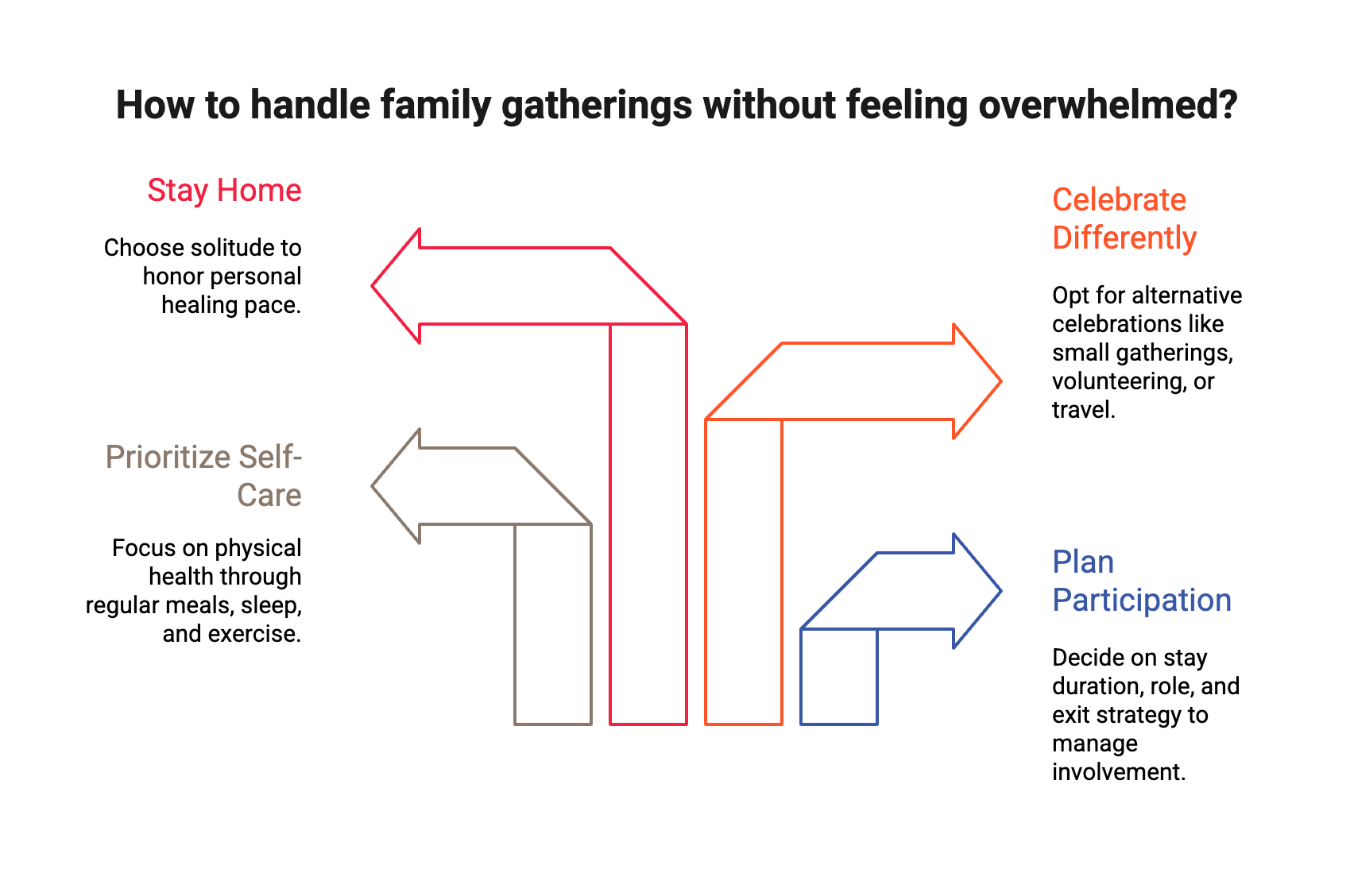
How Do You Handle Family Gatherings Without Feeling Overwhelmed?
The key is recognizing your limits and planning your participation accordingly. Some people find comfort in being surrounded by loved ones, while others need more solitude. Both responses are okay.
Before attending family gatherings, consider:
- How long you’ll stay. Decide in advance whether you’ll attend for the full event or just part of it.
- What role you’ll play. You might choose to help with cooking as a distraction, or you might prefer to sit quietly and let others take care of tasks.
- Your exit strategy. Having your own transportation gives you freedom to leave when you need to.
Taking care of your physical health matters during this difficult time. Self-care is vital during grief, especially during the holidays. Try to eat regular meals, get enough sleep, and move your body—even if it’s just a short walk around the Dupont Circle neighborhood or along the National Mall when you need space to breathe.
If family gatherings feel too painful this year, it’s completely acceptable to celebrate differently. You might:
- Host a small, quiet gathering with just a few close friends
- Volunteer at a DC organization meaningful to you on the holiday
- Take a trip away from your usual traditions
- Simply stay home and honor your own pace of healing
Key insight: Coping with grief means listening to what you need, not what you think you “should” do. Some years call for solitude; others call for community. Both are valid ways to grieve.
What Are Ways to Honor Your Loved One During the Holidays?
Finding ways to include your deceased loved one in holiday celebrations can provide comfort while acknowledging their absence. Many grieving people find that honoring their person’s memory helps them feel connected during family gatherings.
Consider these meaningful ways to remember your loved one:
- Cook their favorite recipe or include their signature dish at the holiday meal
- Share stories and memories about past holidays together
- Create new rituals like lighting a candle before dinner or making a toast in their honor
- Display photos from previous holiday celebrations
- Donate to a cause they cared about in their name
Sharing stories about the deceased brings them into the present moment. It shows family members that it’s okay to talk about the person who died. Often, everyone wants to mention them but worries it might cause pain—when actually, the silence can hurt more.
Does a Holiday Help with Grief?
Holidays themselves don’t heal grief, but they can create opportunities for coping and connection. The holiday season might intensify your grief or offer moments of comfort—often both at the same time.
Some aspects of holidays that can support healing include:
- Being in community with others who knew your loved one
- Maintaining meaningful traditions that create a sense of continuity in your life
- Taking time off work to process emotions and focus on self-care
- Receiving support from friends and family members who show up for you
However, holidays can also complicate grief. The pressure to feel festive, the emphasis on family togetherness, and the stark absence of your loved one can make the pain feel more acute. Everyone grieves differently, and there’s no timeline for when grief becomes easier.
If your grief feels overwhelming, recognize that professional support can help. Complicated grief therapy and other therapeutic approaches exist specifically for people struggling with intense, persistent grief.
When Should You Seek Professional Support?
Grief is a normal response to loss, but sometimes the pain becomes so intense that it interferes with daily life. If you’re experiencing any of these signs, consider reaching out for help:
- Your grief feels as intense months later as it did right after the death
- You’re having trouble getting through basic daily activities
- You feel completely isolated from others
- You’re experiencing thoughts of self-harm or that life isn’t worth living
- Your anxiety or sadness makes it hard to function at work or home
Prolonged grief disorder can develop when someone struggles to move forward after a loss. This isn’t a sign of weakness—it’s a recognized condition that responds well to treatment.
Important to know: Asking for help is a sign of strength, not failure. Professional support can provide tools and strategies specifically designed to help you cope with complicated grief and find a path toward healing.
Finding Support in DC
If you’re looking for support with grief during the holidays, the therapists at Therapy Group of DC are here to help. We understand how complicated grief can feel, especially during family gatherings and holiday celebrations. Schedule an appointment to get started.
Frequently Asked Questions About Holidays and Grief
How can I cope with grief during the holiday season?
Coping with grief during the holidays involves planning ahead, setting realistic expectations, and embracing self-care. It helps to decide which family traditions to keep or modify, take breaks during gatherings, and communicate your needs with relatives and friends. Surrounding yourself with supportive people and honoring your loved one through new rituals or favorite recipes can provide comfort and meaning.
What should I do if I feel overwhelmed at family gatherings?
Recognize your limits and plan your participation accordingly. You might choose to attend only part of an event, have an exit strategy, or take quiet moments outside to manage intense emotions. Taking care of your physical health by eating well, staying active, and getting enough rest is also important during these challenging times.
Are there ways to honor a deceased loved one during the holidays?
Yes, creating new rituals such as lighting a memorial candle, sharing stories, or preparing a favorite recipe can help keep their memory alive. You might also set a special place at the table or donate to a cause they cared about. These meaningful acts provide a sense of connection and help integrate grief into holiday celebrations.
Is it normal to experience conflicting emotions like joy and sadness at the same time?
Absolutely. Grief is complex, and it’s common to feel joy and sadness simultaneously during the holidays. Allowing yourself to hold these conflicting feelings without judgment is a healthy part of navigating grief and honoring your emotional experience.
When should I seek professional support for grief during the holidays?
If your grief feels overwhelming, persistent, or interferes with daily life, it may be time to seek help. Signs include intense sadness months after the loss, isolation, difficulty functioning, or thoughts of self-harm. Professional support can offer helpful tools and coping strategies, especially for complicated grief or recent loss.
Disclaimer: This article is for educational purposes only and is not a substitute for professional medical advice, diagnosis, or treatment. Always seek the advice of your physician or qualified mental health provider with any questions you may have regarding a medical or mental health condition. If you are in crisis or experiencing thoughts of self-harm, please call 988 (Suicide and Crisis Lifeline) or go to your nearest emergency room.