

A therapist’s guide to staying grounded when ambition—and the news and social feeds—never sleep.
Why does DC feel so “always on”?
The city rewards speed, stamina, and civic identity. Proximity to power adds urgency, and the 24/7 news cycle and social feeds keep attention hooked. Many residents move in and out every few years, so belonging takes intention.
It’s also a proud city of civic nerds—“Nerd Prom” is a real nickname for the White House Correspondents’ Dinner—which can be inspiring and, at times, fuel comparison. For context on national stress patterns tied to news and politics, see this recent national stress data.
Try this this week: Choose one neighborhood ritual that slows you down—sunrise on the Mall, a Rock Creek loop, or a 30‑minute wander through a free museum. Put it on the calendar like a meeting.
How does political stress show up in your body and relationships?
Stress often looks like tightness in the chest, a racing mind, irritability, and sleep changes. When we’re saturated with headlines and social feeds, we may snap at partners or roommates, debate until midnight, or doomscroll instead of resting. If you want a quick symptom refresher, here’s a plain‑language list of common signs of anxiety.
If your job is politics or policy
Your role asks for quick responses and guarding your reputation. Work chats drift into nights and weekends, and your sense of self can tie to wins and losses. Helpful counterweights: a time‑boxed news plan, values‑based weekly goals, and a 15–30 minute cool‑down window after hearings, briefings, or votes.
If you’re just surrounded by it
You might not work “in it,” but DC’s politics still gets in: TVs in bars, Metro headlines, and friends whose jobs are political. Two simple buffers: (1) set a media and social plan that fits your nervous system, and (2) create a “news‑free zone” at home. Add one weekly person‑to‑person check‑in—ideally about life, not policy.
What actually helps when the city turns up the heat?
How can I set healthy news & social media boundaries without going “head in the sand”?
Pick two or three set windows to check headlines and turn off push notifications outside those times. Use “slow news” rituals—read concise summaries instead of chasing every update. Most importantly, bridge back to people: discuss one story with a real person each week rather than arguing online. For a snapshot of how Americans actually consume news, see how Americans actually get their news.
What routines buffer stress during a high‑pressure week?
Anchor your sleep (consistent wake time is king), get daylight in your eyes within an hour of waking, and add short movement “snacks” (10–20 minutes counts). Pair work sprints with micro wind‑downs: a 60‑second physiological sigh, five minutes outdoors, or a brief stretch. These tiny resets protect mood and focus over long weeks.
How do I stop comparison traps in achievement‑heavy circles?
First, name it—“I’m comparing.” Next, shift from ranking to values: “What matters to me this month?” Then set good‑enough goals that match your real bandwidth. In a city of highlights and headlines, contentment grows when your scoreboard is personal, not public.
How do couples keep politics from hijacking home life?
Create a news‑free zone (rooms/times). Use the 80/20 rule: 80% connection, 20% debate—with time limits. Keep repair scripts ready for when voices rise: “Let’s pause. I care about you more than this topic. Can we restart after a walk?”
Where can I downshift fast—right here in DC?
Catch sunrise or dusk on the National Mall, do quiet loops on the C&O Canal or Rock Creek Park, and make free museums a weekly reflection ritual (short visits count). Community touchpoints—markets, libraries, volunteer hours—add rhythm and belonging. Here are some free, restorative places in DC.
How do global ties shape stress and support in DC?
Embassies, NGOs, international groups, and universities make DC a global village. That can mean late calls across time zones, language fatigue, and visa uncertainty—but it also offers rich supports: embassy cultural nights, neighborhood groceries and festivals from home countries, language exchanges, and international student groups.
Use clear cutoff times for overseas meetings and build a weekly “third place” ritual in a global neighborhood. For connection basics that help everyone—locals and internationals—see this national guidance on social connection.
What about DC’s “work‑hard, drink‑hard” culture?
Know the guardrails: check what low‑risk drinking looks like and the health definition of binge drinking. Network without over‑drinking: try openers like “I’m pacing tonight,” schedule a 1:1 coffee follow‑up, or rotate in alcohol‑free options.
Plan a Sunday reset—hydration, daylight walk, early bedtime—to avoid the Monday mood dip. If cutting back isn’t sticking—or alcohol is driving conflict, sleep problems, or anxiety—skim the alcohol and health basics.
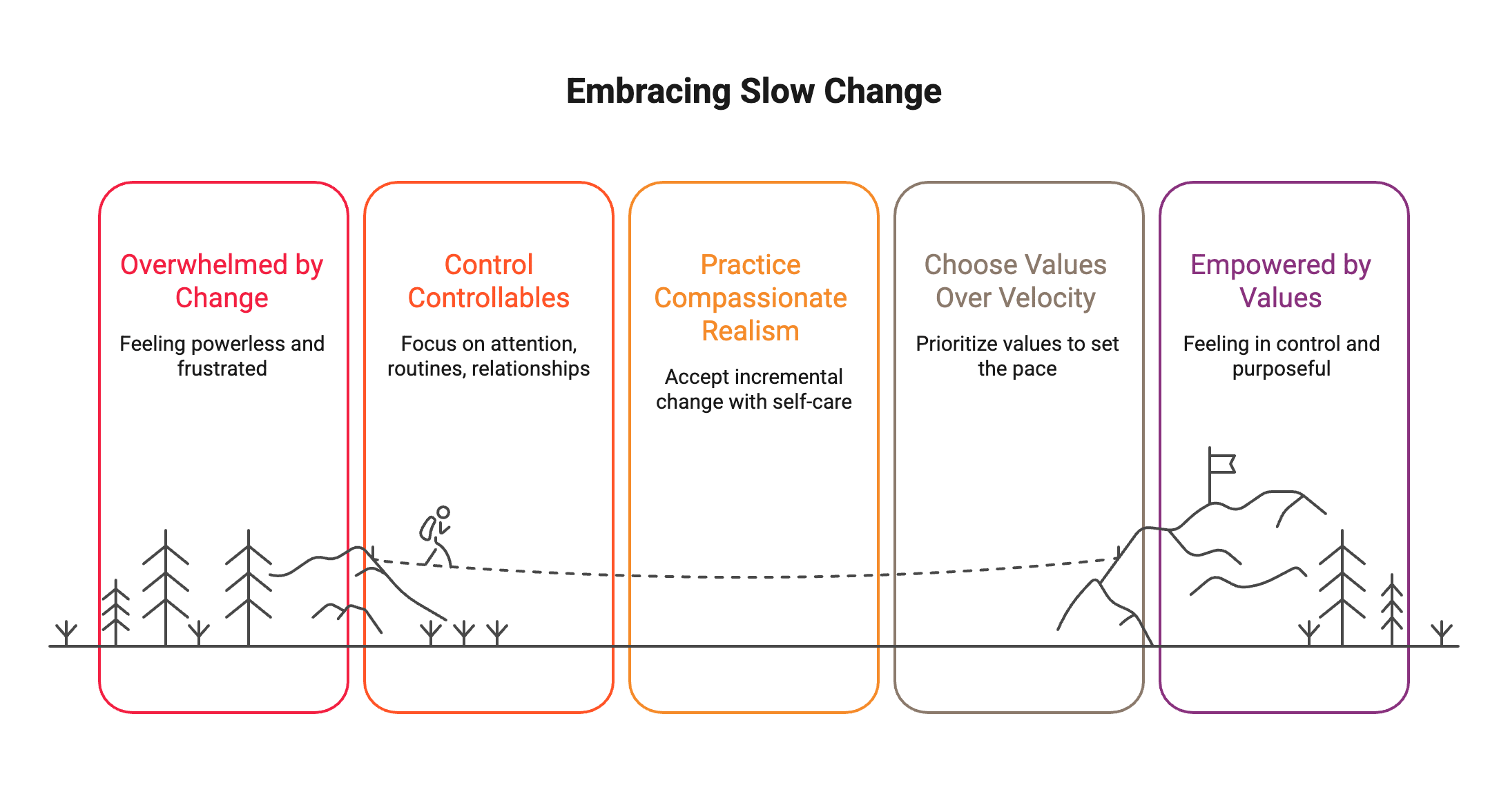
How do I live with the slow pace of change (and constant compromise)?
Control the controllables: your attention, routines, and local relationships; shrink the circle of concern. Practice compassionate realism: change is often incremental, so pair advocacy with rest and boundaries. Choose values over velocity by naming a monthly “why” (service, learning, community) and let that set the pace. Stack micro‑wins—a weekly volunteer hour, a neighbor check‑in—to restore agency.
New to DC? What’s a simple 30‑day “settle & connect” plan?
- Week 1: stabilize sleep, daylight, and a 20‑minute daily walk.
- Week 2: pick one recurring class/meetup and one volunteer micro‑commitment.
- Week 3: set a news & social schedule and one weekly museum/park ritual.
- Week 4: review bandwidth; trim non‑essentials; plan one low‑key social ritual.
When is it time to talk with a therapist?
Consider reaching out if worry persists, sleep stays disrupted, conflicts won’t settle, or you find yourself avoiding what matters. At Therapy Group of DC, care is collaborative, evidence‑based, and inclusive.
Frequently Asked Questions About Living in Washington, DC
What makes Washington, DC the nation’s capital unique?
Washington, DC stands out as the nation’s capital due to its rich history, role as the seat of the federal government, and vibrant cultural scene. The federal government is the largest employer in Washington, D.C. The city is home to iconic landmarks such as the Capitol Building, the Washington Monument, and the Lincoln Memorial, as well as numerous Smithsonian Museums. Its unique position attracts a diverse population and offers abundant job opportunities within government agencies and beyond.
How is public transportation in the DC metro area?
The DC metro area boasts an extensive public transit system, including the Washington Metro with multiple metro stations throughout the city and surrounding suburbs like Montgomery County and Northern Virginia. D.C.’s subway system carries over 800,000 riders on average each weekday, making it one of the busiest metros in the country. Public transportation options also include Metrobus and other local services, making it convenient to navigate the city limits and commute to work or leisure destinations.
What are the housing costs like in Washington, DC?
Washington, DC has an expensive housing market, with median home values and rent prices significantly higher than most cities. Rent prices in Washington, D.C., are quite high, with a monthly average of around $2,400 for a one-bedroom apartment as of 2025. Neighborhoods such as Adams Morgan, Columbia Heights, and Capitol Hill offer a mix of apartment complexes and historic homes, but affordability can be a challenge for many residents. The high cost of living is an important consideration for anyone planning to live comfortably in the district.
Are there good educational options in Washington, DC?
The city offers a range of educational institutions including public schools, which are part of the public school system, as well as numerous private schools. Additionally, Washington, DC is home to prestigious universities such as George Washington University, American University, Catholic University, and Gallaudet University, providing ample opportunities for higher education.
What outdoor activities are available in Washington, DC?
Washington, DC provides many outdoor activities along the Potomac River, Rock Creek Park, and other green spaces. Residents and visitors can enjoy walking, biking, kayaking, and seasonal events like the famous cherry blossoms. The city’s parks and trails offer a great way to enjoy nature within the urban environment and maintain an active lifestyle.
How does the summer weather impact life in Washington, DC?
The summer weather in Washington, DC is known for being hot and humid, which can affect outdoor activities and daily comfort. In Washington, temperatures can exceed 90°F on 40-50 days each summer on average, often accompanied by high humidity. Thunderstorms are common in D.C. due to the combination of heat and humidity in the summer. Residents often seek relief in shaded parks, indoor attractions like the Kennedy Center, or by enjoying the city’s numerous dining options and live music venues. Planning for the summer weather is essential for a pleasant living experience in the city.