
Plain answer: A performance psychologist helps you use proven mental skills to do your best under pressure—whether you’re an athlete, performing artist, student, lawyer, or surgeon in the operating room. In Washington, DC, where high‑stakes moments are everyday life, these tools translate to courtrooms, clinics, stages, and classrooms.
Performance psychology focuses on the habits that support steady focus, confidence, and recovery after mistakes. If you’re searching for a performance psychologist in DC, the aim is simple: calmer starts, quicker resets, and more consistent results. Research shows that structured mental‑skills training can improve consistency and reduce performance anxiety across sports and other high‑stakes settings.
What is a performance psychologist?
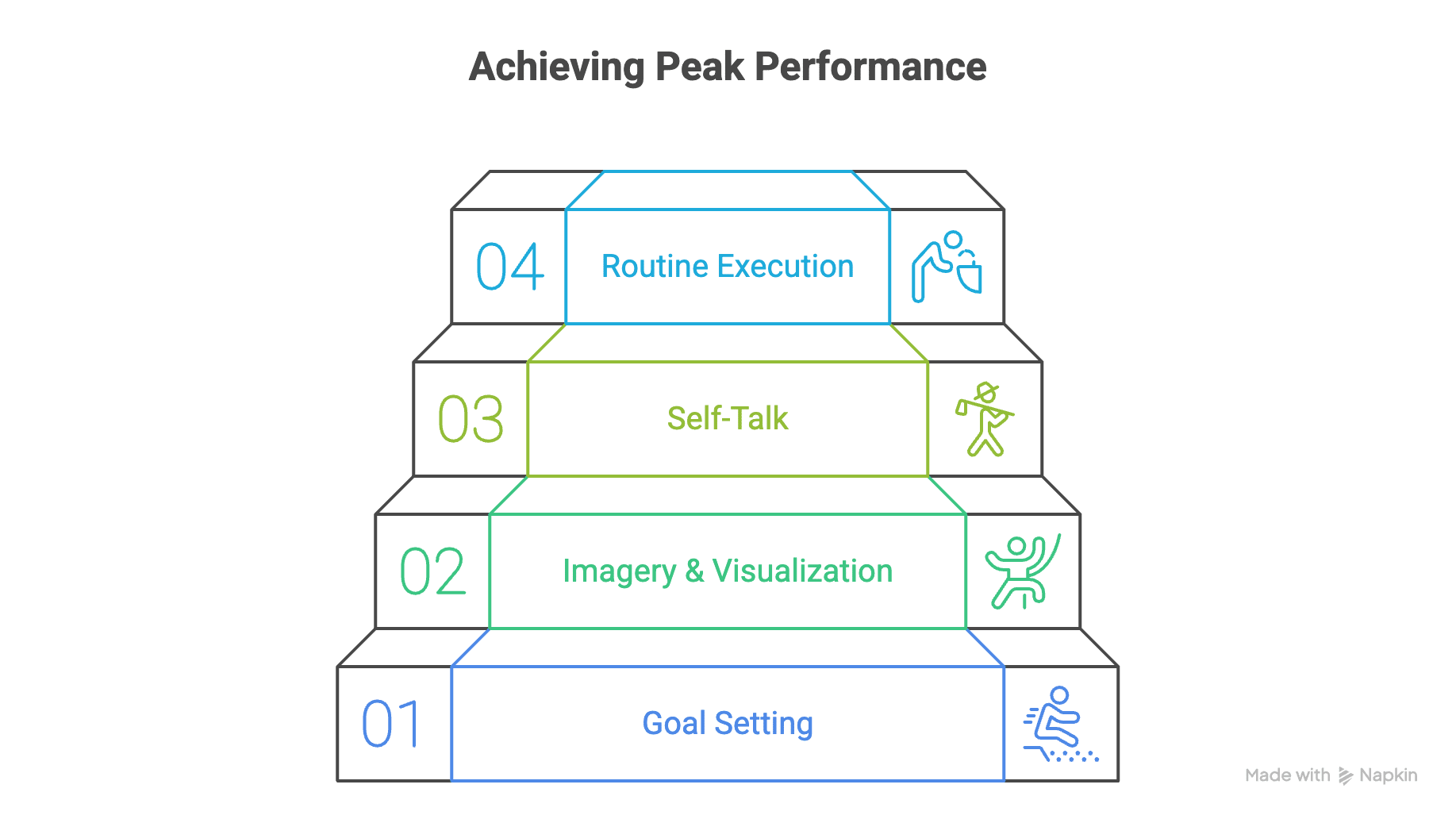
A performance psychologist is a licensed psychologist who uses science‑based tools to help you focus, manage stress, and execute your skills when it counts. Unlike general coaching, performance psychologists draw on psychological principles and evidence—things like goal setting, imagery (visualization), self‑talk, mindfulness, and pre‑performance routines—to support optimal performance. Sports psychologists generally must have a doctorate-level degree to practice, either a Ph.D. or a Psy.D.
How is this different from other roles?
- Sport and performance psychologists: Target mental skills for competition, auditions, exams, courtrooms, and similar pressure moments.
- Therapists / psychotherapy: Focus on health and well‑being—mood, trauma, relationships, and day‑to‑day functioning.
- Coaches/instructors: Teach tactics and technique; some use mental cues but are not mental‑health providers.
When health concerns like major depression, trauma, or severe anxiety are front and center, a licensed psychologist can address those needs in sessions while still helping you with your mental game.
When should I see a performance psychologist?
See one when stress, overthinking, or dips in confidence keep showing up before or during big moments. Common signs:
- Big‑event nerves or “freeze” moments that derail your start.
- Mind going blank or racing thoughts at the worst time.
- Inconsistent results despite solid practice or training.
- Fear of mistakes, perfectionism, or choking under pressure.
- Trouble bouncing back after errors or injury.
- Motivation slumps or early signs of burnout.
- New roles (higher level team, promotion, solo performance) that raise the stakes.
- Struggles with maintaining a positive mindset during injury recovery.
These patterns are fixable. Studies across athletes and other professionals show that targeted skills training helps you maintain concentration and recover faster after setbacks.
What happens in the first session?
We’ll map your goals, pressure points, and strengths, then build a simple plan you can use this week. Expect:
- Clear goals: What “better” looks like in your sport, class, stage, or job.
- Pressure profile: Where and when nerves spike; what your body and thoughts do.
- Strengths scan: What already works that we can build on.
- A quick‑win skill: e.g., a 60‑second breath cue plus a first‑action routine.
- Practice plan: Short daily reps you can track between sessions.
This approach fits pros, students, first responders, and performing artists alike. It’s brief, practical, and anchored in research‑supported methods.
Which mental skills actually boost performance—and how do they work?
A small set of mental skills does most of the work. Start here.
How does goal setting keep me on track?
We set clear, controllable, time‑bound process goals (what you do) rather than just outcome goals (the score or ranking). For example, “three controlled breaths, eyes to target, smooth follow‑through” before each attempt. Weekly check‑ins keep you honest and adjust targets. Large reviews that pool many studies suggest structured goal setting improves follow-through and performance, especially when paired with feedback.
How do imagery and visualization help under pressure?
Imagery is mental rehearsal. You see and feel yourself executing the skill—the sights, sounds, and timing—before you do it. Short, vivid reps of the first 10–30 seconds of a task prime your body and attention. Including realistic distractions (crowd noise, a judge’s cue, a teammate’s call) makes transfer stronger. Reviews show that imagery paired with physical practice enhances endurance, technique, and confidence.
How can I use self‑talk without sounding cheesy?
Short, believable cue phrases help direct attention and effort. Keep them action‑based (e.g., “eyes to finish,” “smooth first step,” “breathe and begin”) and practice them during training so they feel natural under pressure. Reviews link effective self‑talk to better focus, confidence, and execution. A broader synthesis also ties motivation and self‑efficacy to performance, underscoring why simple verbal cues can work.
What’s a simple routine for game day or big moments?
Try this five‑step routine you can run in 60–90 seconds:
- Breathe: 3 slow breaths through the nose, longer exhale than inhale.
- Body check: Unclench jaw/shoulders; plant feet.
- Focus cue: One short phrase that fits the task (e.g., “see‑set‑swing”).
- Commitment line: One sentence that starts action: “On this rep, I lead with form.”
- First action: The very first controllable move—start the run‑up, step to the podium, open the exam.
Mindfulness and acceptance skills help you run this routine even when nerves show up—notice the feeling, accept it, and shift attention to the next action.
What results should I expect—and how fast?
Most people notice calmer focus within 2–4 weeks when they practice between sessions. Gains build over a season or semester. Look for: fewer spirals, faster reset after mistakes, steadier confidence, and clearer post‑event reviews. Evidence suggests moderate, reliable benefits from structured psychological skills training, with stronger effects when plans are tailored and practiced consistently.
How is this different from therapy or coaching?
Performance psychology targets doing well under pressure—focus, confidence, and routines for key moments. Therapy centers on mental health and well‑being. Coaching covers tactics and technique. In real life, these can overlap; when mood, trauma, or severe anxiety are primary, licensed therapy leads, often alongside performance work.
How do I get started with a performance psychologist in DC?
Look for a licensed psychologist with experience in your setting (sport, performing arts, academics, law, medicine) and a clear plan you can test in a month. Smart questions to ask:
- What training do you have in sport and performance psychology?
- How will we measure progress each week?
- What should I practice between sessions?
- How do you coordinate with coaches or instructors when needed?
- What training do you have in sport and performance psychology?
- How will we measure progress each week?
- What should I practice between sessions?
- How do you coordinate with coaches or instructors when needed?
Therapy Group of DC works with athletes, students, executives, first responders, and performing artists across the District. If you’re wrestling with nerves or inconsistent performance, reach out to make your first appointment.
Frequently Asked Questions about Performance Psychology
What is the difference between academic sport psychology and clinical sport psychology?
Academic sport psychology focuses on research and teaching about psychological principles related to athletic performance, often within universities. Clinical sport psychology involves applying these principles in therapeutic settings to help athletes cope with mental health issues and improve their mental resilience. Many sport and performance psychology professionals obtain the Certified Mental Performance Consultant® (CMPC) credential, which ensures specialized training and expertise.
How do sports psychologists help athletes improve their athletic performance?
Sports psychologists use strategies such as visualization techniques, goal setting, and mental toughness training to help athletes develop a strong mindset, manage performance anxiety, and enhance focus during competition.
Can performance psychology benefit professionals outside of sports?
Yes, performance psychology supports not only athletes but also military personnel, business executives, performing artists, and first responders by teaching mental skills to maintain peak performance under pressure.
What role does conflict resolution play in sport and performance psychology?
Conflict resolution helps teams and individuals address interpersonal challenges that may impact communication and overall success, fostering a healthier environment for optimal performance.
How can I find a performance psychologist who offers private practice services?
Many performance psychologists work in private practice, such as the Therapy Group of DC, providing individualized counseling and mental skills training. Searching for licensed professionals with experience in applied sport psychology or clinical sport psychology in your area is a good starting point. Online sports psychologists provide tele-mental health services via remote online video meetings, offering flexibility for those with tight schedules or limited access to professionals.