Therapy Group of DC
Every relationship faces challenges, even in the heart of Washington DC. When communication breaks down, intimacy fades, or trust feels broken, the right support can help you find your way back to each other.
At Therapy Group of DC, our couples therapists specialize in helping partners navigate conflict, rebuild connection, and develop the skills that make relationships last. Whether you’re facing a specific crisis or a slow drift apart, marriage counseling gives you and your partner a space to be heard — and a path forward. As a dedicated DC couples counseling practice, we focus exclusively on relationship work.
Many couples wait an average of six years before seeking help. The earlier you start, the more options you have — and the faster things can change.
What Is Couples Counseling?
Marriage counseling — also called couples therapy or relationship counseling — is a form of psychotherapy designed to help partners understand and resolve relationship issues. Guided by a trained therapist, couples work together to identify underlying patterns, develop effective communication skills, and strengthen the emotional connection that brought them together.
Couples counseling benefits partners at any stage — whether you’re engaged and seeking premarital counseling to build a strong foundation, or working to heal wounds that have deepened over years of marriage. Marriage therapy provides the tools and space to move toward a healthy relationship, regardless of where you are now.
The foundation of effective couples work
Couples therapy is grounded in the understanding that relationships are central to our mental health and well being — and that investing in them pays dividends across every area of life, from emotional well being to physical health. The work rests on several key principles:
- Communication — Active listening, clear expression, and responding with empathy rather than reactivity
- Emotional intelligence — Recognizing, understanding, and regulating emotions in yourself and your partner
- Conflict resolution — Moving through disagreements constructively, without criticism, blame, or defensiveness
- Intimacy and connection — Rebuilding physical and emotional closeness, trust, and a shared sense of meaning
 Keith
Keith
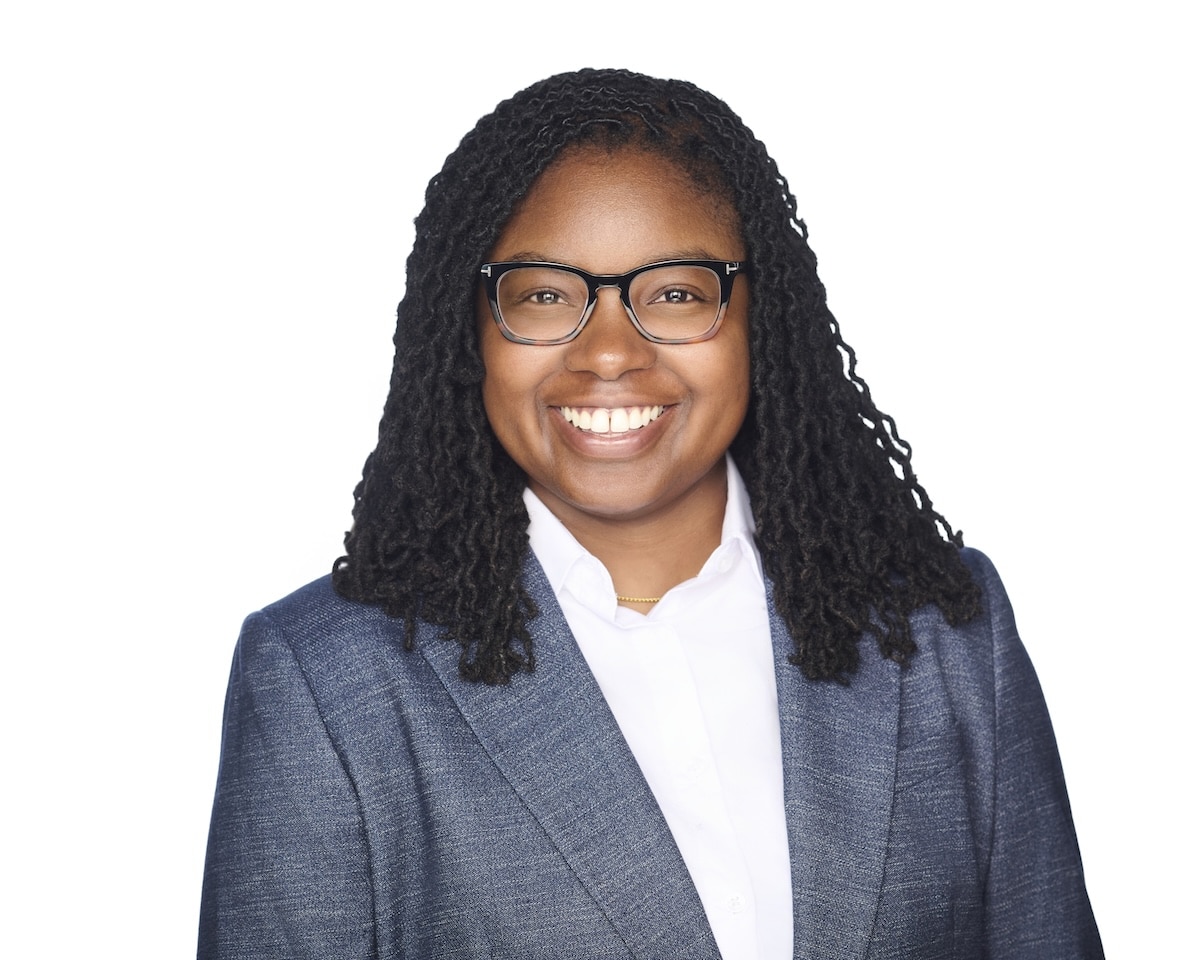 Dominique
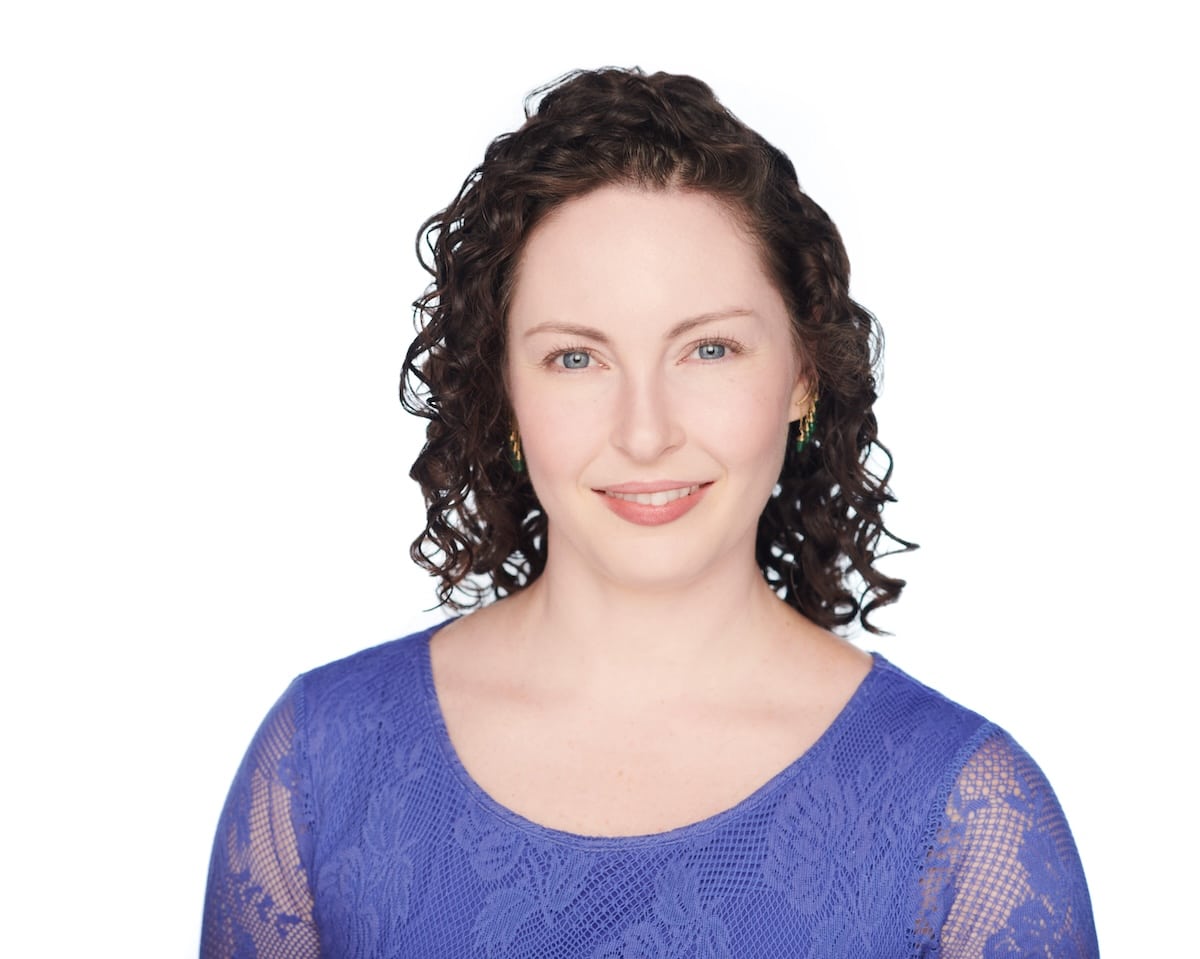 Jessica
 Kevin
Kevin
 Ela
Ela
Specialized Couples Counseling Services
Some relationship challenges benefit from focused expertise. Our Washington DC couples counselors offer dedicated DC couples counseling services for specific concerns:
Understand the emotions driving your conflicts and create deeper, more secure connection.
Navigate betrayal, rebuild trust, and find a path forward — with or without your partner.
Not sure whether to stay or go? Gain clarity and confidence about your future.
Build friendship, manage conflict, and create shared meaning in your marriage.
Navigate desire differences, sexual difficulties, and physical disconnection.
Build communication skills, align on values, and start your marriage with a strong foundation.
An affirming space for LGBTQ+ partners navigating relationship dynamics, gender identity, and family concerns.
Navigate career changes, new parenthood, and relocation without losing each other in the process.
Navigate Your Relationship Challenges
Are you wondering why it feels like you’re drifting apart? Perhaps intimacy has become a source of tension rather than joy, or conversations that used to flow now end in silence or conflict. These feelings are more common than you think — and they don’t mean your relationship is failing. They mean you need better support.
Common relationship issues that bring couples to our Dupont Circle office include:
- Communication breakdowns and recurring arguments
- Diminished passion and emotional disconnection
- Trust issues and infidelity
- Feeling overwhelmed by the demands of marriage and life together
- Sexual difficulties or desire discrepancies
- Depression or anxiety affecting one or both partners
- Navigating life transitions — new parenthood, career changes, relocation
- Work-life imbalance in Washington DC’s high-pressure professional culture
Signs You May Need Marriage Counseling
While every relationship is unique, certain patterns suggest it’s time to seek professional help. If any of these feel familiar, marriage counseling can help:
- Communication breakdown — Conversations consistently lead to conflict, or you’ve stopped talking about the feelings that matter
- Increased conflict — Arguments are more frequent, more intense, or feel impossible to resolve without help
- Emotional disconnection — You feel like roommates rather than partners, going through the motions without real understanding of each other’s feelings
- Intimacy issues — Physical or emotional closeness has faded or become a source of tension
- Trust erosion — Trust has been broken, or negative interactions have replaced the warmth that once came naturally
- Feeling overwhelmed — Life’s pressures have left you with nothing left to give each other, and feelings of resentment are building
Identifying these signs early matters. Whether you’re married couples who’ve grown apart or unmarried partners trying to get back on track, couples counseling provides a non judgmental environment where you and your partner can work through current challenges, process difficult feelings, and develop the skills to build a healthier relationship.
You're Here — That's the Hardest Part
Our couples therapists can help you figure out what comes next.
What to Expect from Couples Therapy Sessions
Seeking marriage counseling for your relationship takes courage. Understanding the therapy process can help you feel more prepared — and more confident that this is the right step. Whether you’ve never been to counseling before or tried it years ago, here’s what most couples experience in Washington DC:
Your first session — getting oriented
Your therapist will create a safe, non-judgmental environment where both partners can share what brought you to counseling. This first session focuses on understanding your relationship history, current challenges, and what you each hope to gain from the work. Many couples feel a sense of relief just from being heard.
Assessment and goal-setting
Over the next few sessions, your couples counselor will help you identify the patterns and dynamics shaping your relationship. This might include exploring how past experiences influence the way you respond to conflict, manage feelings, or express needs. Together, you’ll set goals that reflect what matters most to both of you.
Active therapy — building new patterns
This is where the deeper work happens. Through your sessions, you’ll practice new ways of communicating, gain insights into each other’s emotional world, and begin to replace negative interactions with understanding and support. Your therapist will guide you through difficult conversations and help you develop coping skills you can use between sessions.
Integration and growth
As you build confidence in your new skills, therapy sessions may shift toward reinforcing what’s working, addressing remaining concerns, and planning for the future. Sessions are typically 50–60 minutes, once a week, and the duration of counseling varies based on your needs — some couples see meaningful shifts within a few months, while deeper healing from trauma or long-standing patterns takes longer. Your therapist will work at whatever pace feels right for your relationship.
Proven Approaches to Relationship Healing
Our DC couples therapists draw on scientifically-backed methods, tailoring their approach to your relationship’s specific needs. While we offer a range of therapy options, including the Gottman Method and integrative approaches, our therapists are especially trained in attachment-based work that gets to the heart of what partners actually feel beneath the surface conflicts.
Emotionally Focused Therapy (EFT)
Our primary approach. EFT helps couples recognize the emotional patterns driving their conflicts — the feelings of fear, rejection, or loneliness beneath the arguments — and reshape them into secure, lasting bonds. Research on Emotionally Focused Therapy shows that about 70–73% of couples move from distress to recovery, and 86–90% experience significant improvement (Johnson, Hunsley, Greenberg, & Schindler, 1999).
Learn More →The Gottman Method
A research-based framework that helps partners build friendship, manage conflict constructively, and create shared meaning. The Gottman Method offers practical tools for improving communication, enhancing intimacy, and replacing negative interactions with understanding and support.
Learn More →Sex & Intimacy Therapy
Most couples wait until they’re in the room to mention this part. We’d rather you know upfront: physical intimacy is one of the most common — and most important — things couples work on with us. Whether it’s desire differences, rebuilding closeness after disconnection, or learning to talk about sex without shutting down, our therapists are specifically trained to go here with confidence and zero awkwardness.
Learn More →Why DC Couples Choose Therapy Group of DC
The unique pressures of Washington relationships
Washington DC attracts driven, accomplished people — but the same qualities that build successful careers can strain relationships. Long hours in government, policy, consulting, and nonprofit work leave many DC couples feeling disconnected, with little energy left for the partnership that matters most. Add the pressures of a transient city, political stress, and the weight of managing life from Capitol Hill to Dupont Circle, and it’s no wonder so many couples in Washington DC reach a breaking point.
Couples specialists — not generalists who see couples on the side
Our licensed marriage and family therapists understand these dynamics because we see them every day. Our couples counselors include licensed professional counselors and psychologists who bring specialized training in evidence-based relationship work — including family therapy approaches that address how broader systems affect the couple. We’re not a general psychiatry Washington practice that happens to see couples on the side. Our focus is dedicated couples counseling from clinicians trained to work with the unique challenges of relationships — including how depression, trauma, and mental health concerns show up in the space between partners. We understand that healing happens in relationship, and we bring that understanding to every session.
We match each couple with a therapist whose clinical training and style fits your specific situation — whether that’s EFT for emotional disconnection, Gottman-informed work for communication breakdowns, or integrative approaches for complex dynamics like infidelity or cultural differences.
What real progress looks like
Whether you’re a married couple navigating decades of shared history, partners considering commitment, or in a relationship that feels stuck despite genuine love, our DC couples counseling practice offers a space built specifically for this work. We’ve seen what happens when couples finally get the support they need: feelings of hopelessness give way to genuine understanding, partners learn to resolve conflicts rather than avoid them, and relationships that felt beyond repair become more fulfilling. Building fulfilling relationships requires ongoing investment — and the support of a skilled family therapist can be the difference between drifting further apart and building the relationship satisfaction you both deserve.
Our Couples Therapists
Our team of licensed marriage counselors and therapists in Washington DC brings years of specialized experience to every session — and dedicates ongoing training hours each month to deepen their expertise in couples work. Each therapist listed below has focused training in relationship counseling and works with partners as a core part of their practice.