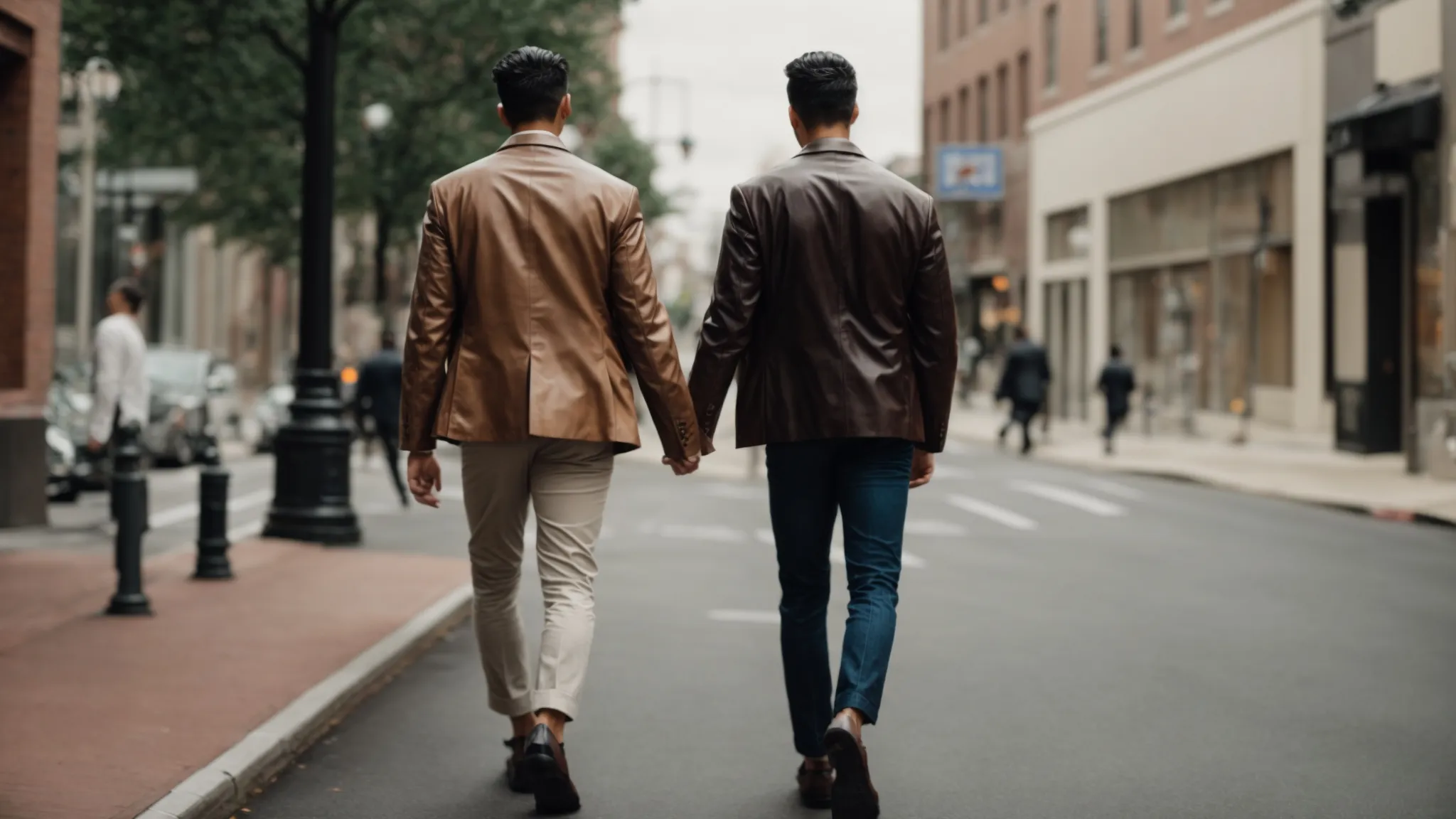

You can be out, good at your job, and fine on a first date, and still go quiet when someone starts to know you well. That gap between the closeness you want and the closeness you can tolerate is common for gay men, and it usually has a history. Gay intimacy, meaning emotional and physical closeness between men, often has to grow past years of hiding, mixed messages about what a man should be, and a dating world that can feel like a market. In a Canadian survey of 8,977 gay, bisexual, trans, Two-Spirit, and queer men and non-binary people aged 15 and up, 56% said they felt pressure to conform to masculine norms, and that pressure went along with higher odds of depression and anxiety.
None of this means something is wrong with you. It means closeness has had more in its way. This post covers where intimacy gets hard for gay men, how coming out and old hurts shape it, and what helps emotional and physical closeness grow.
Why intimacy can feel harder for gay men
Most of what makes intimacy hard is the same for everyone: fear of rejection, trouble saying what you need, a partner who wants something different. Gay men usually carry an extra layer. Growing up in a world that treats heterosexuality as the default teaches you to watch yourself, and that habit does not switch off when you fall for someone.
The pressure to act “masculine”
Many men learn early that being a man means staying tough, keeping feelings private, and never needing anyone. For gay men, that script often comes with an extra warning: don’t seem too soft, too feminine, too much. You may have spent years policing how you walk, talk, or dress.
That vigilance kept you safer, and it has a cost later. Closeness asks you to show the very things you learned to hide: tenderness, need, uncertainty. When a partner gets close to those parts, the old alarm can go off even when you are safe.
Internalized homophobia and shame
Internalized homophobia is what happens when the negative messages you heard about gay people settle inside you, even after you’ve rejected them. It is rarely a conscious belief. More often it shows up as discomfort with affection in public, a harsh inner voice about your body or your sex life, or a quiet sense that a gay relationship counts for less than a straight one.
In a relationship, shame can look like fear that a partner will reject you for being too effeminate or not masculine enough. It can look like keeping things casual so nobody gets close enough to judge you. Our post on internalized homophobia covers the signs people tend to miss.
Dating apps and the pressure to perform
Apps made it easier for gay men to find each other, especially outside the neighborhoods where gay life is visible. They also put bodies, photos, and sex up front. When the first thing anyone sees is your torso or your stats, it is easy to feel ranked rather than met.
That pressure is not unique to gay men, and plenty of gay men date in ways that have nothing to do with apps. But if you’ve absorbed the idea that desirability means a certain body or a certain kind of sexual confidence, sex can start to feel like a test instead of play. Your worth reaches far past your appearance, and the relationships that last tend to be with people who see that.
We work in Dupont Circle, long a center of gay life in DC, and being out here can feel easy. Plenty of gay men still edit themselves for a work trip, a client dinner, or a visit home. That switching takes energy, and it can leave less of you for the person you are dating.
The pressure to keep an image is strong in a city built on careers, whether you work on Capitol Hill, in a hospital, a classroom, or a startup.
Coming out and its effect on intimacy
Coming out is not a single event. Even after you’ve told friends and family, you keep deciding whether to share it: with a new boss, a landlord, a doctor, the person next to you on a flight. Each of those choices is a small act of vulnerability, and they add up.
How different stages of coming out affect relationships
Early on, fear and uncertainty can keep relationships at the surface, or keep you out of them altogether. As you get more comfortable with who you are, some relationships deepen and others fall away, especially if someone you cared about met you with rejection. That loss is real, and it can make the next person feel riskier to let in.
Some men come out later in life, after a marriage or years of living one way. A first gay experience at 40 or 55 can bring relief, grief, and nerves all at once. You may feel like a beginner at dating while being an adult in every other part of your life. That mix is normal, and it gets easier with time and support.
When partners are at different levels of outness
Partners rarely come out on the same timeline. One of you might be out to everyone, and the other might be out to friends but not at work or not to a grandparent. That gap can turn into a painful question: “Are you ashamed of me?”
Usually the answer has more to do with different families, faiths, jobs, or hometowns than with the relationship. There is no ranking of who is more out. What helps is respecting each other’s pace, talking openly about what each of you is comfortable with, and being honest about what the gap costs you.
Trauma, history, and HIV-related anxiety
Many gay men carry experiences that make closeness feel risky: family disapproval, bullying, harassment, or being shut out of communities that were supposed to be safe because of race, age, body, or gender expression. Some went through conversion therapy, which tries to change a person’s sexual orientation. Every mainstream medical and mental health organization has rejected it, as the Human Rights Campaign’s summary of professional statements lays out.
The weight of history
The AIDS crisis of the 1980s and 1990s killed many gay and bisexual men and left survivors grieving friends, partners, and whole social circles. It also pushed the community to fight for treatment and against stigma. Even men too young to remember those years grew up with the fear that came after, and some still feel it in the background of dating and sex.
HIV-related anxiety today
Fear of HIV, of testing, of disclosing a status, or of being rejected for one, can keep men from dating or from getting close once they do. The medical picture has changed a great deal. CDC guidance is that having an undetectable viral load prevents HIV transmission through sex, and there is medicine that prevents HIV for people who don’t have it. Questions about testing, treatment, or prevention belong with a doctor. In DC, Whitman-Walker Health offers HIV and STI testing, HIV care, and PrEP.
Therapy can help with the anxiety and shame that sometimes linger after the facts are clear. A status is health information, not a measure of your worth, and people of any status build loving relationships.
When closeness feels out of reach
If shame, old hurts, or dating burnout keep getting between you and the closeness you want, a therapist can help you sort out why. Our DC therapists offer LGBTQ+ affirming therapy for gay men.
Working through that history doesn’t mean reliving it. It means noticing where it still shapes how you love, so you can choose differently.
Building emotional and physical closeness
Healthy gay relationships rest on the same things any relationship does: honesty, trust, and being known. What gay male couples sometimes have to do on purpose is make room for both kinds of closeness, emotional and physical, without letting one stand in for the other.
Balancing emotional and physical intimacy
Movies and apps tend to focus on the sexual side of gay relationships. Sex matters, and so does the slower closeness of sharing your hopes, fears, and bad days. If sex has become the main way you feel wanted, it can be hard to tell whether someone likes you or only wants you. If emotional talk feels safer than touch, physical intimacy can start to feel like pressure.
Talk openly with your partner about sexual needs and boundaries, so you both feel respected. These conversations go better when they happen outside the bedroom, at a calm time, without a score to settle. For desire gaps or sexual worries that need more focused help, sex therapy and intimacy counseling can help.
A common belief is that wanting closeness and wanting sex pull against each other, so you have to choose. It is often more useful to treat them as two kinds of closeness that each need attention. Some men open up more easily after physical intimacy, and some need emotional safety first. Neither order is wrong.
Many of the same patterns show up for couples of every orientation, and our post on barriers to intimacy goes through the common ones.
Open relationships and other structures
Some gay men find that monogamy fits them, and some don’t. Couples of every orientation open their relationships, and an open relationship, polyamory, or another structure can work when it rests on clear agreements and honest check-ins. Trouble tends to start when one partner agrees to something to avoid losing the other. Whatever shape you choose, jealousy and insecurity will come up sometimes, and they deserve room to be talked about.
Practical steps toward deeper intimacy
None of these steps require you to have everything figured out. They work best a little at a time.
Get clear on what you want
Say what you feel in plain words
Notice when old messages show up
Build a circle beyond dating
Get support when a pattern won't shift
Mental health and gay men’s intimacy
As a gay man, you may face a higher risk of mental health challenges like anxiety and depression due to the stressors you encounter, such as discrimination and marginalization. Psychologists call this minority stress. Anxiety and depression make closeness harder: it is tough to let someone in when you’re bracing for rejection or running on empty.
The pace of DC adds to it. Long hours and work that follows you home leave little room for dating or for the slow work of getting close.
Why LGBTQ+ affirming therapy matters
An LGBTQ+ affirming therapist treats your sexual orientation as part of who you are, not as the problem to solve. You don’t have to explain gay life before the real work can start. Therapy gives you a place to look at shame, process old hurts, and practice the openness that intimacy asks for.
Several approaches can help. Psychodynamic therapy looks at how early experiences shape the way you love now. Emotion-focused therapy helps you notice and express what you feel. Other approaches, like CBT or acceptance and commitment therapy, focus on thoughts, habits, and values. No single approach works best for everyone; the fit with your therapist matters more than the label.
Shame rarely shows up in therapy labeled as shame. It tends to look like being too busy to date, picking partners who can’t commit, or going numb after sex. We look at those patterns with curiosity rather than judgment, because each one has usually protected you from something, and it helps to know what.
For couples, LGBTQ+ couples counseling offers the same kind of space for two people at once.
Gay identity as a strength in relationships
Being gay is not only a set of obstacles. Many gay men have had to think hard about who they are, what they want, and what kind of relationship fits them. That self-knowledge is an asset in love.
Gay relationships also come without a default script for who does what. You and your partner get to decide how you split chores, money, and decisions, and what your relationship looks like. Two men who have both come out, faced discrimination, or found their way in a straight world often share an understanding that deepens their bond.
Building on that shared ground, and taking pride in it, can make it easier to be open with each other.
LGBTQ+ affirming therapy at Therapy Group of DC
Therapy Group of DC is in Dupont Circle, and we offer LGBTQ+ affirming therapy in person and by secure video across DC, Maryland and Virginia. Our therapists work with gay men on individual concerns like shame, anxiety, dating, and coming out, and with couples on communication, trust, and sex.
You don’t need a clear name for what’s wrong, or a relationship in crisis, to reach out. Wanting more closeness than you have now is reason enough.
You deserve closeness that feels safe
Our Dupont Circle therapists offer LGBTQ+ affirming therapy for gay men and couples, in person and by video across DC, Maryland and Virginia.
Last updated: October 2026
This blog is for informational purposes only and does not constitute medical or mental health advice. Always consult with a qualified mental health professional for personalized guidance regarding your specific situation.