Therapy Group of DC
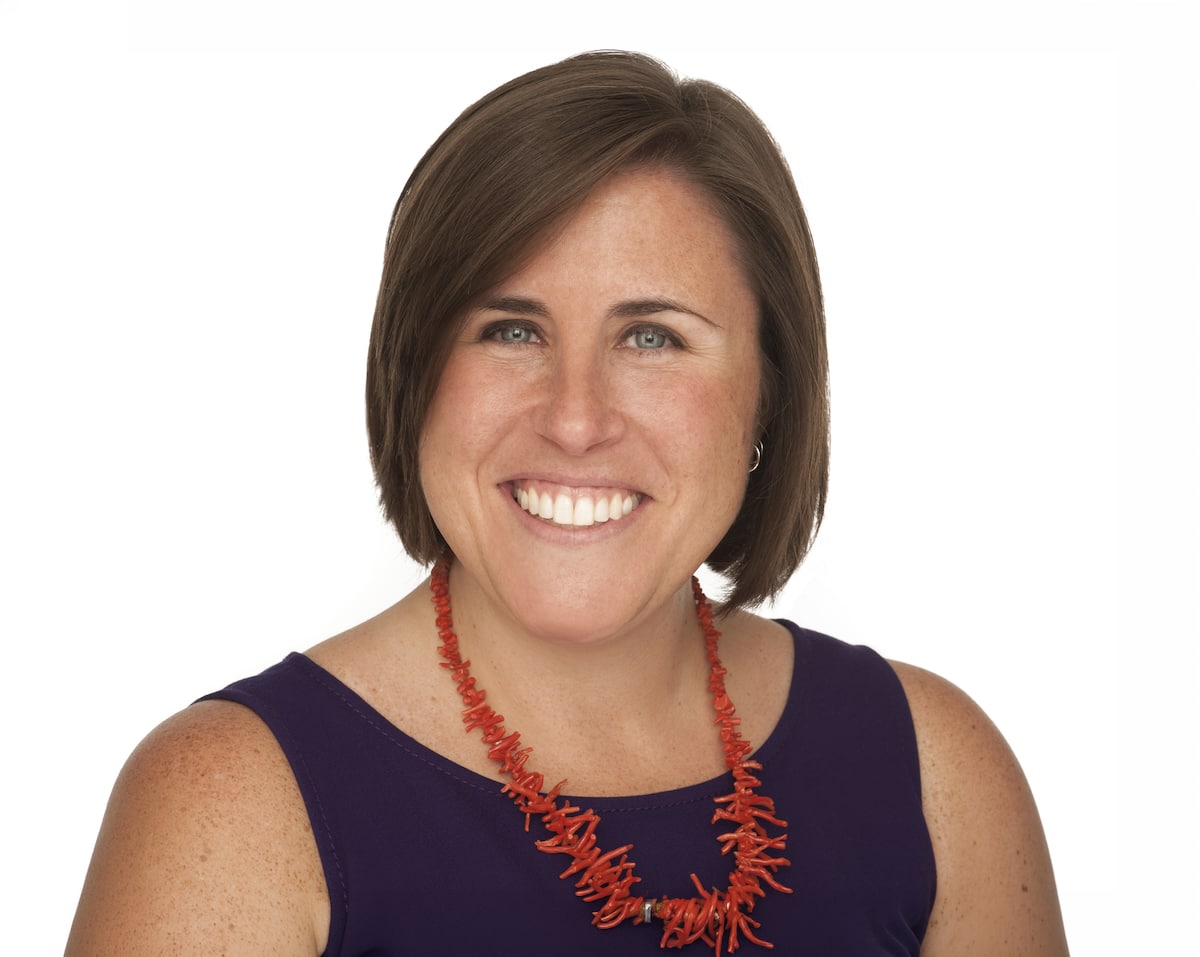
Dr. Dana Treistman, Ph.D.
Helping you notice the thought patterns that keep you stuck and giving you practical tools to respond differently





Hear directly from Dana
In this brief introduction, Dana shares her collaborative approach to therapy, the concerns she most often helps clients navigate, and her belief that therapy is about learning to be more fully present.
“The overall goal of therapy is to help clients be more fully present in the moments of their lives.”
— Dana Treistman, Ph.D., Therapy Group of DCAbout Dr. Treistman
If you’ve been spending more time in your head than in your actual life — replaying conversations, bracing for the next thing, or just going through the motions — I want you to know that’s not something you have to keep doing. I help people slow down enough to figure out what’s actually going on underneath the anxiety, the sadness, or the restlessness, and then build a path toward something that feels meaningfully different.
A lot of the clients I work with are smart, capable people who look like they’re handling things just fine from the outside. But inside, there’s a gap between how they’re functioning and how they’re actually feeling. Maybe it’s the worry that won’t quiet down. Maybe it’s a low-grade sadness that’s been hanging around too long. Maybe it’s the sense that life is passing you by while you’re busy managing it. Whatever brought you here — you don’t have to keep white-knuckling through it.
“I’ll work with you to create a supportive, non-judgmental, and empowering space to help you make personally meaningful changes.”
Dana Treistman, Ph.D., Therapy Group of DC
My Approach
I draw on cognitive behavioral therapy and mindfulness practices — which, in plain language, means I’ll help you notice the thought patterns that keep you stuck and give you practical tools to respond differently. I’m not the kind of therapist who just nods and listens. I’m warm and comfortable to talk to, but I’m also direct. If I notice something, I’ll say it. If there’s a strategy that could help, I’ll teach it. I want our sessions to feel like a real conversation — one where you leave with something useful.
The mindfulness piece isn’t about meditation or sitting still. It’s about helping you connect to the present moment instead of living in the guilt of what’s already happened or the worry about what might. People are often surprised by how much shifts when they stop fighting their experience and start working with it.
Interested in working with Dr. Treistman?
Take the first step — we’ll help you get started.
I have particular experience working with people navigating anxiety that shows up as obsessive or intrusive thoughts — the kind that loop and won’t let go. I also work with clients dealing with chronic illness or physical health challenges, where the emotional weight of a diagnosis often gets overlooked. And I work extensively with parents who are trying to hold it all together while quietly running on empty.
I’ve been doing this work in DC over two decades, and what keeps me here is honestly pretty simple: I love watching people stop just surviving and start building lives that feel like theirs. It is an honor to be invited into my clients’ inner lives and to guide them in the process of creating lasting change. If you’re ready to stop thinking about therapy and actually try it — I’d be glad to talk.
Educational Background
Common Questions
The first session is really about getting a feel for each other. I’ll ask about what’s bringing you in right now — not your whole life history, just what’s most alive for you at this moment. I want to understand what’s been hard, what you’ve already tried, and what you’re hoping might be different. I’ll also share a little about how I work so you can see if it feels like a fit. There’s no pressure to have it all figured out. Most people don’t, and that’s completely fine.
They work together really well, actually. CBT helps you identify the thought patterns that keep you stuck — the catastrophizing, the all-or-nothing thinking, the mental loops — and gives you concrete tools to respond differently. Mindfulness helps you notice what’s happening inside you without immediately reacting to it. Together, they give you both the awareness and the toolkit. I tailor the balance based on what’s actually going on for you — some people need more structure and strategies, others need more space to just be present with what they’re feeling.
Yes — and I’m glad you’re asking. A lot of people with OCD don’t realize that’s what they’re dealing with, because it doesn’t always look like the stereotypes. It can show up as intrusive thoughts you can’t shake, mental rituals, constant reassurance-seeking, or a need to get things “just right.” I work with clients on recognizing these patterns and building a different relationship with the thoughts themselves — not trying to make them go away, but reducing the power they hold over your day. If you’re not sure whether what you’re experiencing is OCD, that’s something we can figure out together.
Yes — I see clients both in-person at the Dupont Circle office and via secure telehealth throughout DC, Maryland, and Virginia. Telehealth works well for most of what I do, and many of my clients appreciate the flexibility. We can talk about which format makes sense for you.
Ready — or still deciding?
Either way, we’ll make it easy. Get started with Dr. Treistman directly, or tell us what you’re looking for and we’ll connect you with the right therapist. Takes a few minutes — no commitment.
Transparent Pricing & Insurance Support
Life in DC can be complicated. Insurance paperwork shouldn’t be. We handle the paperwork to make reimbursement simple.