Therapy Group of DC
Your relationship matters. The challenges you’re navigating — whether it’s communication patterns, intimacy concerns, trust issues, or family pressures — deserve a therapist who truly understands the distinct landscape of LGBTQ+ partnerships.
At Therapy Group of DC, we specialize in affirming couples counseling for same-sex and queer couples. We’re based in Dupont Circle, the heart of DC’s vibrant LGBTQ+ community, and we’ve spent years building the clinical expertise to meet couples where they are: in relationships that deserve respect, nuance, and real expertise.
Our therapists use evidence-based approaches rooted in Emotionally Focused Therapy (EFT) and adapted Gottman Method practices, combined with deep cultural competency in LGBTQ+ relationships. This isn’t generic couples therapy with a “we’re allies” sticker. This is specialized care, from people who understand the specific dynamics of same-sex partnerships, gender diversity in relationships, and the unique pressures facing LGBTQ+ couples in a major American city.
In Dupont Circle, we sit at the center of one of the most visible LGBTQ+ communities in the country — and visibility brings its own pressures. Many couples we see are navigating the paradox of acceptance and expectation: DC is a progressive city, but that doesn’t mean your relationship is free from the weight of family rejection, workplace calculation, or the exhaustion of being “out” in every context. We understand that being affirmed publicly doesn’t automatically mean feeling safe privately.
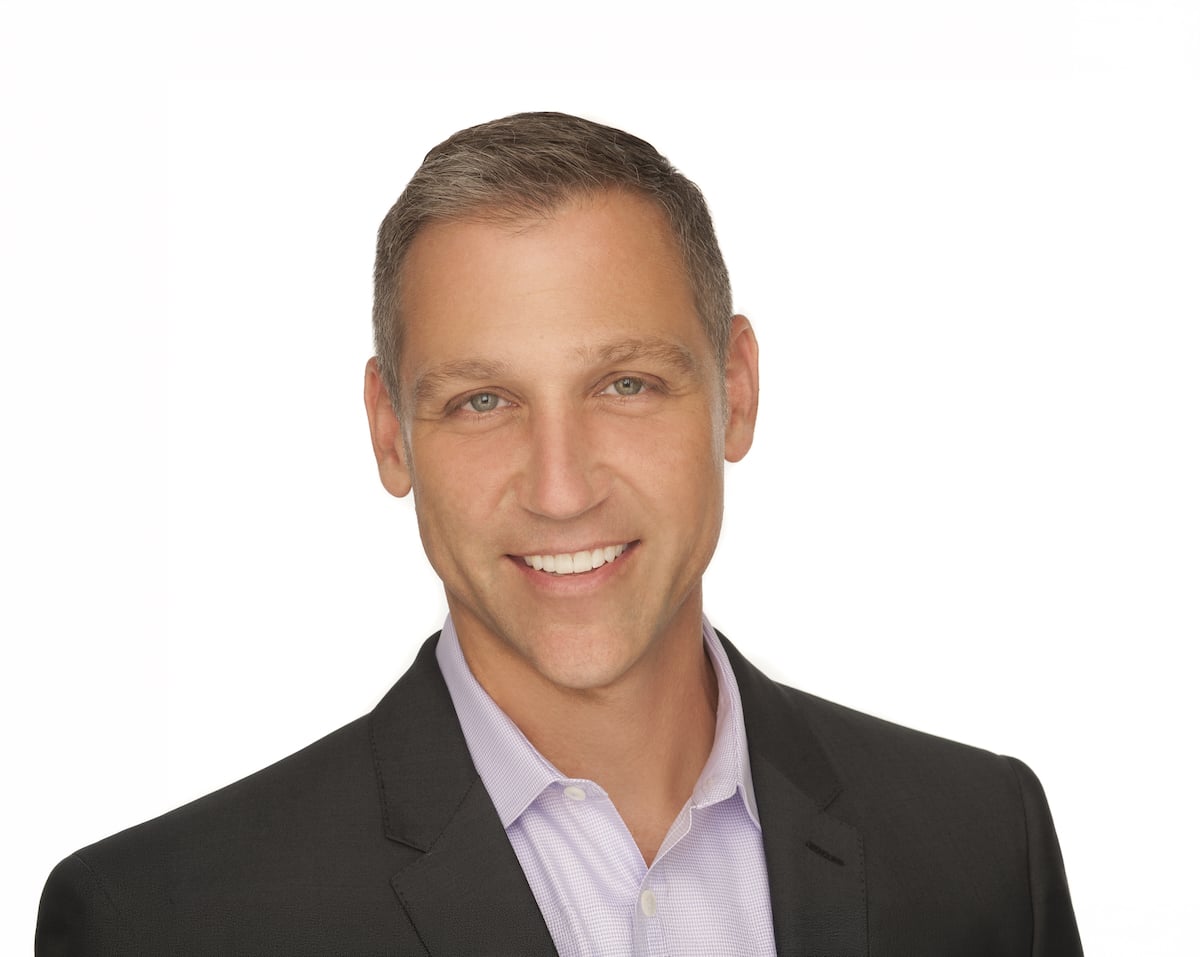 Keith
Keith
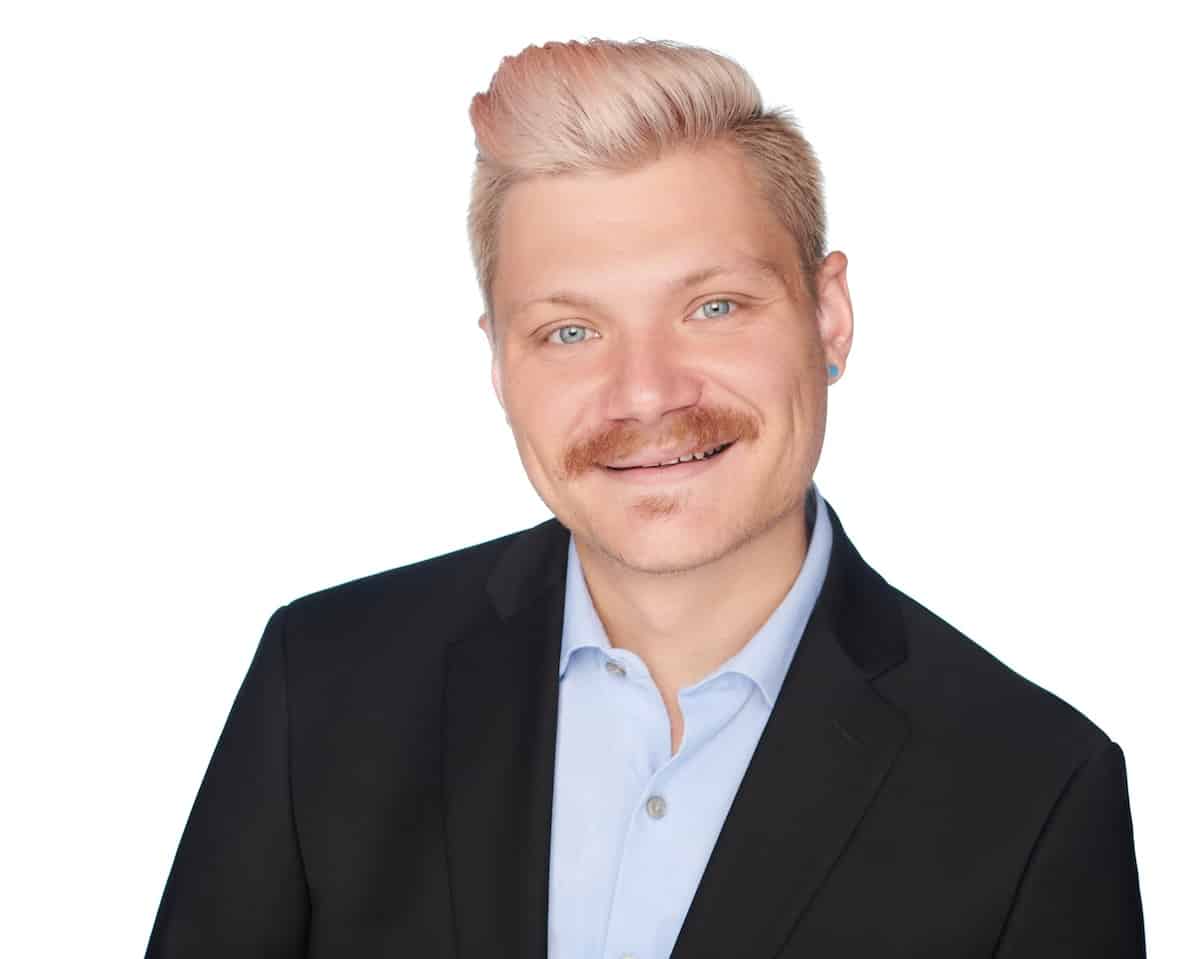 Kevin
Kevin
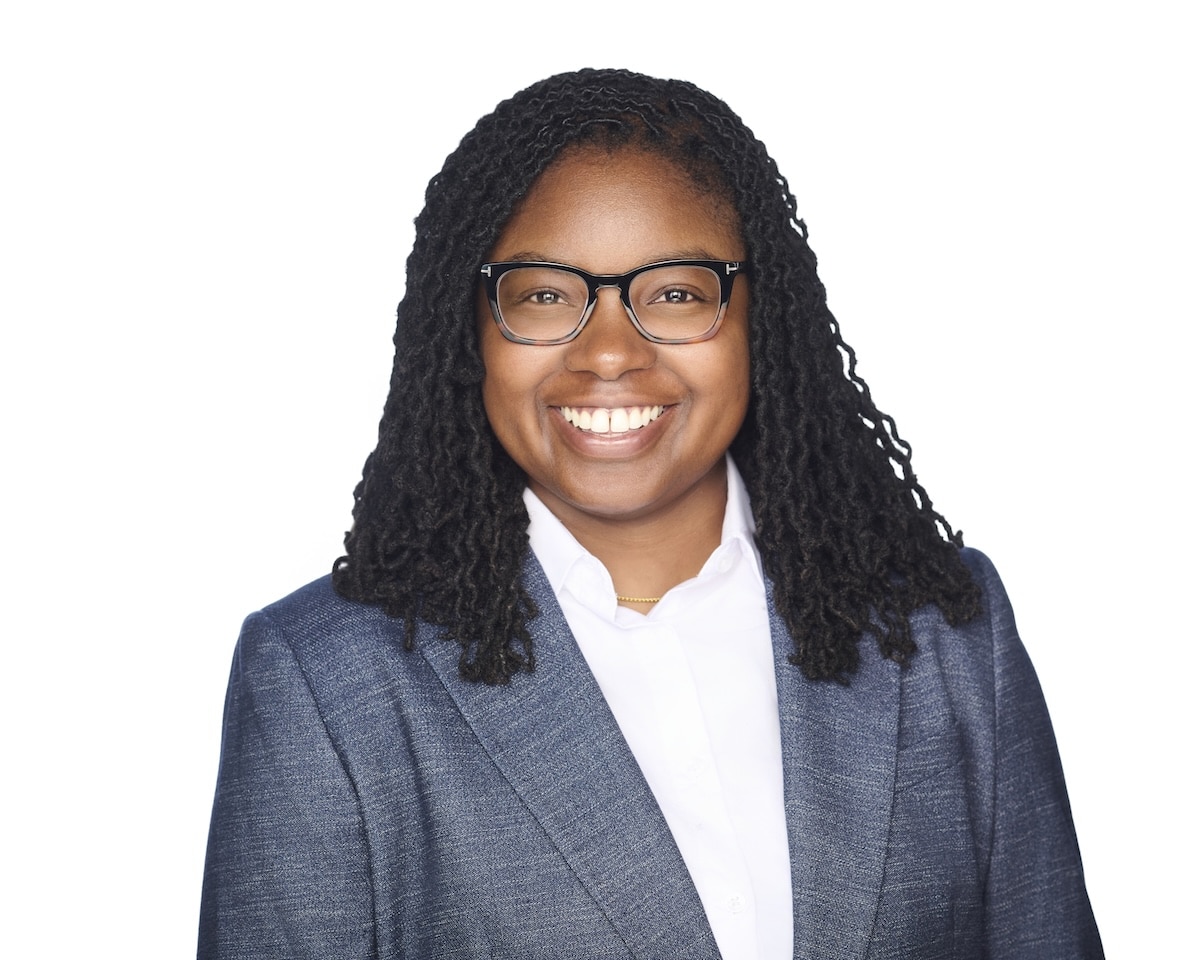 Dominique
 Michael
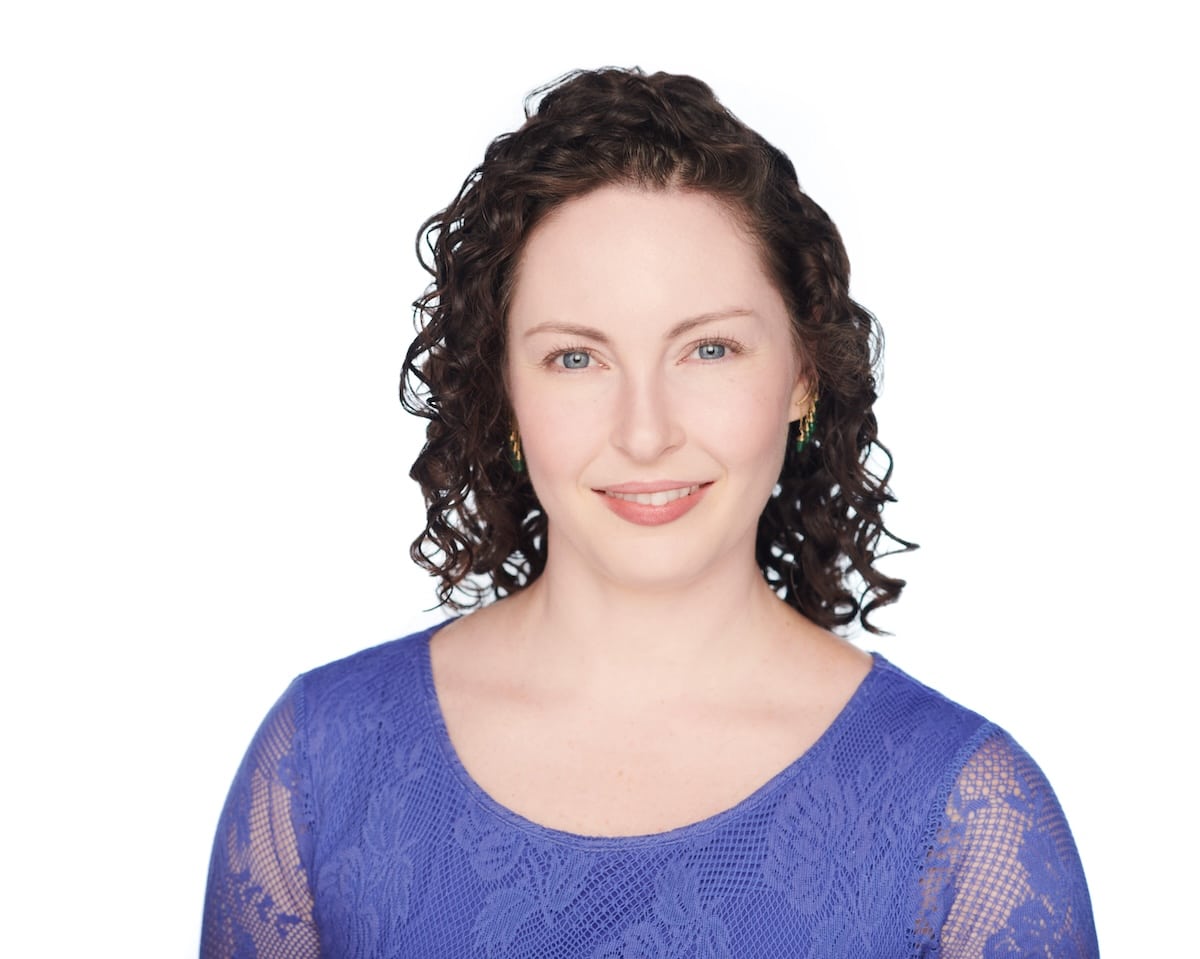 Jessica
Is This What You’re Navigating?
Why Specialized LGBTQ+ Couples Therapy Matters
Relationships are shaped by context. For same-sex, transgender, and queer couples, that context includes unique pressures: family acceptance (or rejection), workplace disclosure decisions, potential discrimination, navigating misgendering or external invalidation, and building partnership models that might not have visible cultural templates.
Generic couples therapy often misses these crucial dynamics. A therapist unfamiliar with LGBTQ+ relationships might minimize a partner’s concern about family boundary-setting, or fail to recognize how external transphobia is affecting intimacy.
At Therapy Group of DC, we start from a different place. We see your identity as integral to your relationship health, not separate from it. We affirm your relationship structure and identities without equivocation. We understand the specific stressors you face — DC’s large LGBTQ+ population with high visibility, significant career pressures in government or high-stakes industries, and the particular challenge of success without acceptance. And we bring clinical models designed for your needs: EFT, Gottman, and integrative LGBTQ+-affirming approaches, all evidence-based and all working equally well for same-sex and diverse couples when delivered with genuine competency.
What Brings LGBTQ+ Couples to Therapy
Communication and conflict patterns. You argue about the same things repeatedly. One partner feels unheard. Conversations escalate quickly or shut down entirely. These patterns often have roots in how you each learned to manage conflict, family dynamics, and sometimes internalized messages about relationships.
Intimacy and sexuality concerns. Whether it’s decreased sexual desire, performance anxiety, difficulty initiating, or exploring new territory together — sex and intimacy are central to partnership, and they deserve direct, shame-free attention.
Trust and infidelity. One partner crossed a boundary. Whether it’s physical infidelity, emotional connection, or breach of an agreement about the relationship structure, rebuilding trust takes strategic, supported work.
Supporting a partner through gender transition. Transition reshapes a relationship. Bodies change. Identities evolve. Attraction patterns may shift. Intimacy needs recalibration. Partners often struggle silently with their own feelings while trying to be supportive.
Navigating open relationships or non-monogamy. You’ve chosen or are considering a non-traditional relationship structure. The framework is in place, but the emotional realities are complex. Jealousy, insecurity, and communication around boundaries need expert navigation.
Family dynamics and coming out. You’re managing families that don’t accept your relationship. Or one partner is out and the other isn’t. These pressures are real and they affect partnership.
Parenthood and family planning. You’re building a family or planning to. Questions about biological vs. adoptive roles, donor vs. surrogate, legal protections, and how to raise kids with resilience — these decisions require couples-focused work.
How We Work with LGBTQ+ Couples
Emotionally Focused Therapy (EFT)
The gold standard for couples work. EFT maps the emotional patterns underneath conflict: where you’ve gotten stuck, what each of you is protecting, and how to build new, safer patterns of connection. Research shows 90% of couples see meaningful improvement. EFT works across all relationship structures because it’s rooted in universal attachment science.
Learn More →Gottman Method (Adapted)
Decades of research on what makes relationships work. We use these frameworks — understanding your conflict style, building shared purpose, managing gridlock — adapted to your specific context and relationship structure. Customized work grounded in research.
Learn More →Integrative LGBTQ+ Affirming Care
Beyond method, we bring intentional cultural competency. We understand that your relationship exists within larger systems: legal recognition, family narratives, community context, trauma from discrimination, and the specific pressures of DC. We name external pressures when relevant and build resilience around them.
What this looks like in practice: You come in. We listen to both of you — not as individuals, but as a system. We understand where you’re stuck and what’s protecting that stuck place. We build new ways of connecting that feel safe and authentic to both of you. Most couples see meaningful shifts in 4–6 sessions. Some need longer work. We’re honest about what you’re looking at.
Your relationship deserves expert support.
Our therapists specialize in the specific dynamics of LGBTQ+ partnerships in DC.
What Couples Therapy Looks Like
Understanding Your Cycle
Your therapist meets with you both and begins mapping the patterns underneath your conflicts. Who pursues, who withdraws? What does each of you protect? You start seeing the cycle as the problem — not each other.
Going Beneath the Surface
As trust builds in the room, you access the emotions underneath the conflict — the fears, the attachment needs, the vulnerabilities neither of you has been able to voice. This is where the real shift begins.
Building New Patterns
You practice reaching for each other differently. Instead of the old cycle — attack, defend, withdraw — you learn to express what you actually need and respond to your partner’s bids for connection. The relationship starts feeling safer.
Strengthening What You've Built
Sessions taper as you consolidate new patterns. You have tools for when conflict returns — because it will. The difference is that you now know how to move through it together rather than getting stuck in it.
Something we see specifically with LGBTQ+ couples in DC: the relationship carries weight beyond itself. For many couples, your partnership is also a political statement, a family negotiation, a coming-out process, and a source of community identity — all at once. That’s a lot for any relationship to hold. Therapy helps you separate the relationship itself from everything it’s been asked to represent, so you can focus on what actually matters between the two of you.
Our LGBTQ+ Couples Therapists