Therapy Group of DC
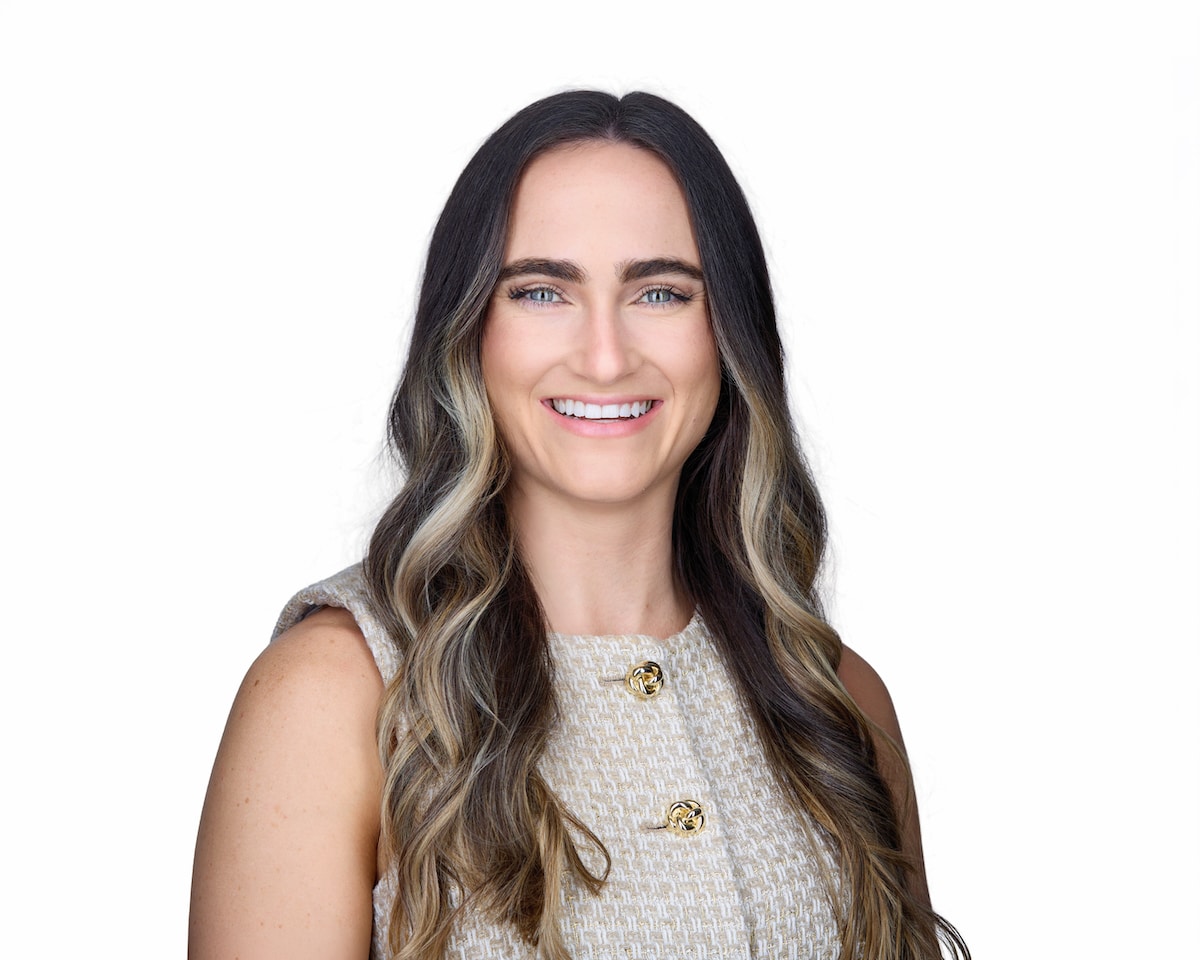
Dr. Justin Hillman, Ph.D.
Anxiety, relationships & building a more authentic life





If you’ve been carrying anxiety that doesn’t quite have a name, or finding yourself in the same kind of relationship patterns no matter how hard you try to change — you’re not broken, and you’re not doing it wrong. Something deeper is at work. I help people understand the relational patterns running underneath the surface so they can start building lives that actually feel like their own. A lot of the people I work with come in saying something like: “I know what I should be doing — I just can’t seem to do it.” Or they describe a gap between who they are on the outside and who they feel like on the inside. That disconnect is where my work lives. I’m trained in attachment-based and psychodynamic approaches, which means I’m paying close attention to how your earliest relationships shaped the way you connect now — with other people and with yourself. “Healing doesn’t happen because someone tells you what to do differently. It happens when you’re in a relationship where you feel genuinely seen — and you start to believe that who you actually are is enough.” I combine attachment-based, psychodynamic, and relational perspectives. In plain terms, that means I’m interested in three things: the way your early experiences shaped how you relate to people, the patterns you’ve developed that once protected you but now keep you stuck, and what’s actually happening between us in the room. That last part matters more than most people expect — the therapeutic relationship itself becomes a place where old patterns show up and new ones can start forming. Interested in working with Dr. Hillman? Take the first step — we’ll help you get started. The first thing I want is for you to feel comfortable. I’ll ask about what brought you in — what’s been weighing on you, how things have been going, what you’re hoping therapy might change. But I’m also listening for the bigger picture: how you talk about yourself, how your relationships tend to go, what comes up when you let your guard down a little. I’m not running through a checklist. I’m trying to understand you as a whole person. By the end of our first conversation, we’ll have a sense of whether this feels like a good fit and what we might focus on together. It means I pay close attention to how your earliest relationships — usually with parents or caregivers — shaped the way you connect with people now. Not in an abstract, theoretical way, but concretely: Do you tend to pull away when things get close? Do you need constant reassurance that people won’t leave? Do you struggle to trust that someone can really know you and still want to be there? Those patterns almost always started as survival strategies that made sense at the time. In our work together, I help you see those patterns clearly, understand where they came from, and start developing new ways of relating — including in our relationship, which becomes a kind of testing ground for doing things differently. I do. I bring the same relational and attachment lens to couples work. Most couples come in focused on the content of their fights — who said what, who’s right. But what I’m listening for is the process underneath: the way you each move toward or away from each other, the moments one of you reaches out and the other doesn’t quite land, the fears driving the conflict that neither of you has named yet. Once you can see those patterns together, things shift. I work with couples navigating communication breakdowns, trust issues, premarital questions, and the kind of disconnection that builds slowly until it feels unbridgeable. Yes — I see clients both in-person at the Dupont Circle office and via secure telehealth. Some people prefer coming into the office because the physical space signals a shift into a different kind of conversation. Others find telehealth makes it easier to be consistent, especially with a busy schedule. Either way, the depth of the work is the same. We can figure out what makes sense for you. Either way, we’ll make it easy. Get started with Dr. Hillman directly, or tell us what you’re looking for and we’ll help you find the right fit. Takes a few minutes — no commitment. Life in DC can be complicated. Insurance paperwork shouldn’t be. We handle the paperwork to make reimbursement simple.
About Dr. Hillman
My Approach
I’m warm and I’ll meet you where you are, but I’m also willing to name what I notice. If there’s something happening in our conversation that mirrors what’s happening in your life, I’ll bring it up — carefully, but honestly. That kind of immediacy is where real change tends to happen. My research focused specifically on that dynamic: how addressing what’s unfolding between therapist and client in real time strengthens the work.
I work with people dealing with anxiety, depression, relationship struggles, self-esteem, and the kind of identity questions that come up when life transitions force you to reconsider who you are. I also work with couples who want to understand how they got stuck — not just manage the conflict, but see what’s really driving it. Often it’s less about the thing you’re arguing about and more about whether you feel safe enough to be honest with each other.
Before becoming a psychologist, I had an entirely different career — I was a professional musician and audio producer, and I spent years running bridge-building programs that brought Israeli and Palestinian students together through music and storytelling. I also trained as a yoga teacher in India. Those experiences gave me something that still shapes my clinical work: a deep belief that authentic connection across difference is possible, and that people have a remarkable capacity for growth when they feel safe enough to be vulnerable.
I completed my doctoral training at the University of Maryland, where I spent six years researching what makes therapy actually work — specifically, how the bond between therapist and client predicts outcomes, and how therapists can get better at fostering that bond in real time. My postdoctoral fellowship here at Therapy Group of DC continued that thread, grounding my research in daily clinical practice.
If you’re looking for someone who’ll be fully present with you — who’ll help you understand the patterns underneath the surface and support you in building something more authentic — I’d be glad to talk.
Educational Background
Common Questions
Ready — or still deciding?
Transparent Pricing & Insurance Support