Therapy Group of DC
You’re in love, you’ve made the commitment, and now you’re planning your wedding. But before you walk down the aisle, have you and your partner really talked about the things that will shape your life together?
Premarital counseling isn’t about fixing problems or questioning your relationship. It’s about building a strong foundation while you have the luxury of time and intention before marriage. In a few focused sessions, you’ll explore how you and your partner communicate, handle conflict, manage finances, blend family expectations, navigate intimacy, and align on core values.
Think of it as a relationship investment — one that research shows pays dividends. Couples who complete premarital counseling report higher satisfaction, better communication skills, and greater resilience when challenges arise. You’re not repairing; you’re preparing.
Premarital counseling isn’t only for couples in crisis. It’s for couples who want to start marriage with their eyes wide open — understanding each other more deeply and building genuine tools for the life ahead. We see this work with all kinds of couples: high-achieving professionals, dual-career couples, couples blending families, and couples from different cultural or faith backgrounds.
In your sessions, you and your partner will explore communication patterns and how you repair after conflict, practical strategies for disagreements without disconnection, financial values and career expectations, family dynamics and in-law navigation, physical and emotional intimacy, shared values and life planning. Your therapist tailors the work to your unique relationship, backgrounds, and the specific areas where you most want clarity.
 Keith
Keith
 Rose
Rose
 Rob
Rob
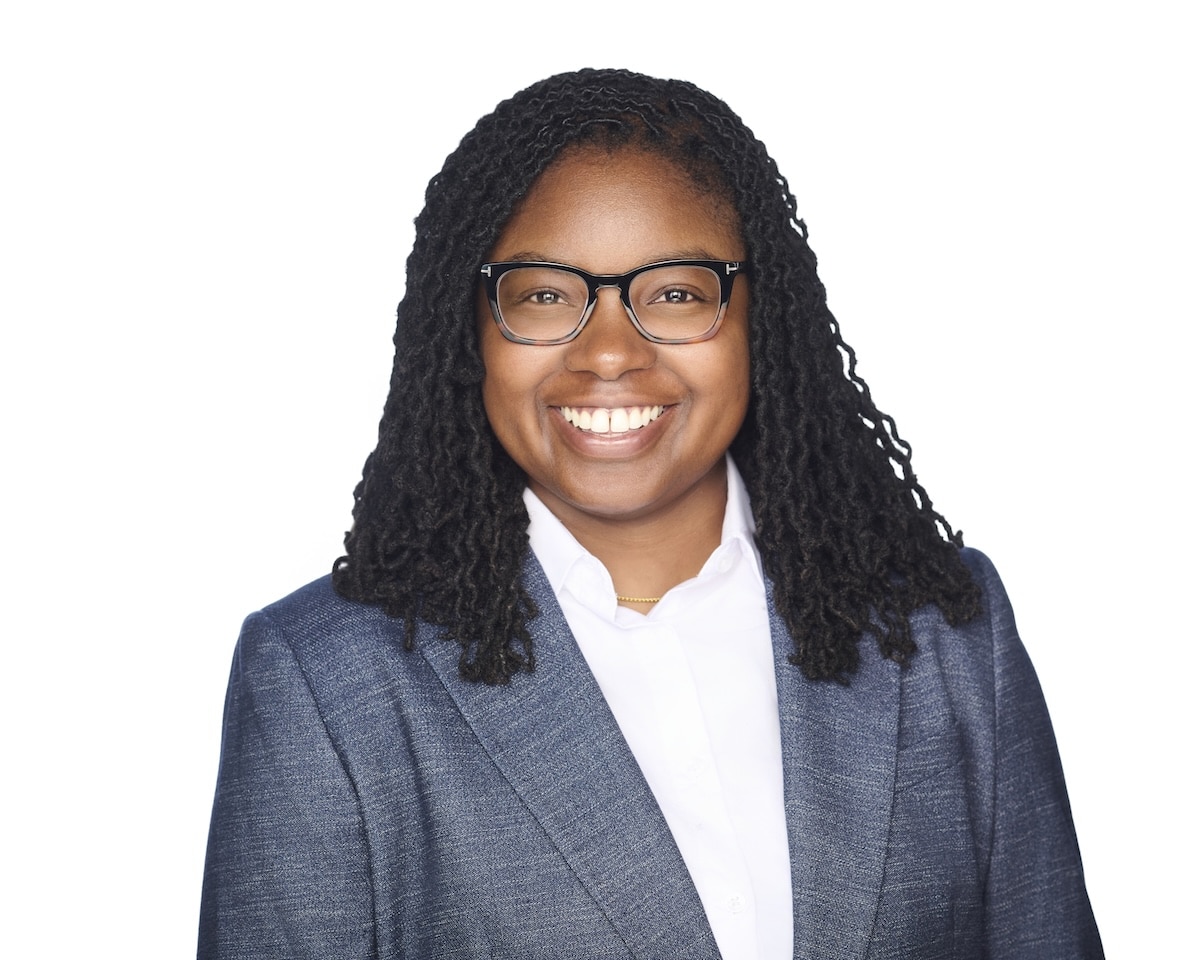 Dominique
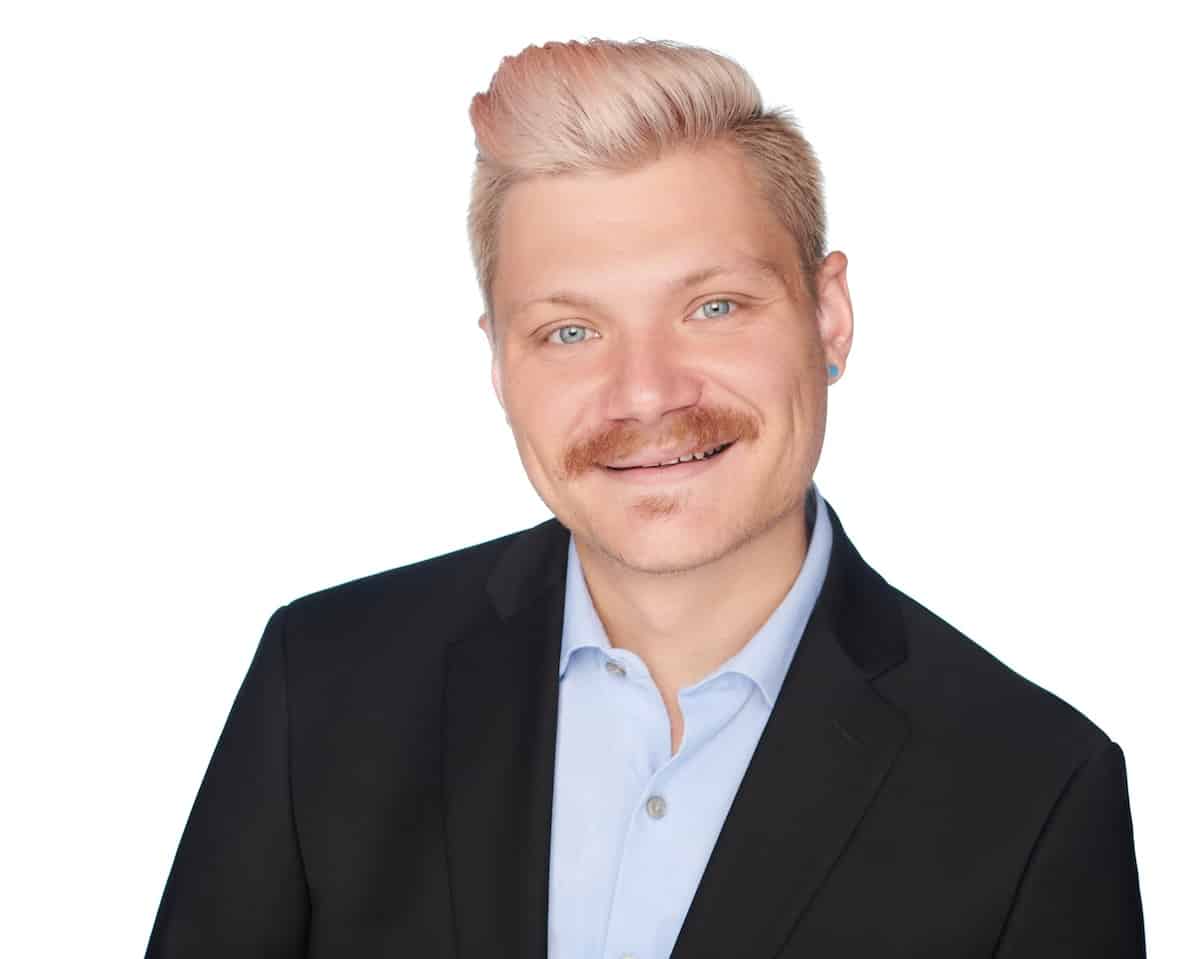 Kevin
Kevin
Is Premarital Counseling Right for You?
If you recognize yourself in any of these, premarital counseling can offer clarity, tools, and confidence as you step into marriage.
What You Need to Know
It’s brief and focused. Premarital counseling typically involves 4–8 sessions, weekly or biweekly. You’re not signing up for years of therapy — just enough time to build real skills.
Couples who invest see results. Research consistently shows that couples who complete premarital counseling report higher relationship satisfaction, better communication, and improved resilience when challenges arise.
It works with all couples. We work with couples of all backgrounds, orientations, faith traditions, and life circumstances — LGBTQ+ couples, interfaith couples, blended families, dual-career professionals. The approach is affirming and tailored to your reality.
Unlike some premarital programs, our approach is relational and flexible. We don’t follow a rigid curriculum. We listen to what matters most to you and your partner and focus the work there.
Building Blocks for a Strong Marriage
Communication
Learn how you naturally express needs, listen to your partner, and repair after conflict. Develop patterns that feel authentic and create safety for both of you.
Conflict Resolution
Disagreements are normal. You’ll discover how you handle differences, learn de-escalation strategies, and practice staying connected even during tension.
Finances & Career
Money and career ambitions shape your shared life. Explore money values, discuss debt and earning expectations, and align on financial priorities.
Family Dynamics
Navigate in-laws, family of origin patterns, and blended family challenges with clarity and boundaries that protect your partnership.
Intimacy & Sexuality
Build physical and emotional closeness intentionally. Discuss desires, boundaries, and the kind of intimate life you want to create together.
Values & Life Planning
Align on what matters most — faith or spirituality, children, location, career goals, and the life vision you’re building as a couple.
Know which topics matter most to you?
Your therapist will tailor the work to your relationship — not a generic checklist.
Evidence-Based Approaches We Use
Emotionally Focused Therapy (EFT)
EFT helps you understand the emotional patterns beneath surface conflicts. By identifying what each partner truly needs, you build secure attachment and lasting connection. This evidence-based approach emphasizes emotional responsiveness and creates the foundation for trust.
Learn More →Gottman-Informed Couples Work
Developed by relationship researchers, the Gottman Method teaches practical skills: how to soften conflict startup, soothe during tension, and repair ruptures. You’ll learn concrete communication tools and understand your couple profile.
Learn More →Narrative & Relational Approach
This approach honors your unique story and context. Rather than imposing a standard template, we explore how your backgrounds, values, and life experiences shape the relationship you’re creating together.
Your Premarital Counseling Journey
Getting Oriented
Your therapist learns about your relationship story, how you met, what brought you to counseling, and what you hope to gain. You’ll complete an assessment and outline the path forward. This phase builds safety and clarifies the work ahead.
Building Understanding
You dig deeper — exploring communication patterns, conflict styles, family backgrounds, values, and dreams. Your therapist helps you hear each other with fresh ears and understand the roots of potential differences.
Active Change
You practice new skills: better listening, conflict resolution, repair conversations, and ways to discuss tough topics like finances or family. You experiment with new patterns and get real-time coaching.
Integration & Consolidation
You solidify what you’ve learned — how to maintain these skills after counseling ends, plan for the stresses of engagement and wedding planning, and set intentions for married life. You leave with concrete tools and confidence.
Meet Our Couples Therapists