Dating Anxiety Therapy: CBT, ACT, and Evidence-Based Treatment for DC’s Dating Season

New Year resolutions. Valentine’s Day pressure. Dating apps lighting up. This guide is for people in Washington DC experiencing anxiety about dating. You’ll learn what dating anxiety is, when it’s a clinical concern, and which evidence-based therapies actually work.
Dating anxiety occurs when a person has excessive worries or fears about dating that go beyond typical first-date nerves. Research shows that most anxiety disorders respond well to evidence-based psychotherapy, with cognitive behavioral therapy (CBT) producing large improvements compared to no treatment. While some nervousness is perfectly normal, dating anxiety is more intense, longer lasting, and can lead people to avoid dating altogether.
Is It Normal to Feel Anxiety When Dating?

Yes, it’s perfectly normal to feel anxious when dating—meeting a new person naturally triggers uncertainty. The difference between normal nervousness and dating anxiety is intensity, duration, and impact on daily life.
Here’s how to tell the difference:
Normal dating nerves might mean feeling butterflies before a first date. Dating anxiety involves persistent worry that interferes with a person’s ability to date comfortably, including physical symptoms like sweating, trembling, and a fast heart rate.
People experiencing dating anxiety may fear rejection to such a degree that they overthink every interaction or avoid dating altogether. For those with social anxiety or other anxiety disorders, dating someone new can feel especially overwhelming.
What Is Dating Anxiety?
Dating anxiety is excessive fear or worry about dating that significantly impacts a person’s daily life and well being. While nervousness is expected when meeting a new person, dating anxiety is more intense and long lasting.
Common signs include:
- Physical symptoms: Rapid heartbeat, sweating, upset stomach, trembling
- Avoidance behaviors: Canceling dates or avoiding dating apps
- Persistent worry: Constantly wondering “Will I say the wrong thing?”
- Overthinking: Replaying conversations for hours
- Negative thoughts: Believing “I’m not good enough” or catastrophizing about dating someone new
Dating anxiety often has links to a person’s mental health history, upbringing, and past experiences. Low self esteem can contribute by causing individuals to doubt their worthiness of connection. For some, anxiety stems from healing from toxic relationships that left lasting impacts. It connects to broader anxiety disorders like social anxiety (excessive fear in social situations) or generalized anxiety disorder (persistent worry across multiple areas of life).
In our practice, we see clients who initially dismiss their dating anxiety as “just nerves.” The distinction matters: if anxiety prevents you from dating authentically or keeps you from forming connections you want, that’s a signal worth addressing. You’re not being too sensitive—you’re recognizing a real barrier to the relationships you deserve.
How Do You Overcome Dating Anxiety?
To overcome dating anxiety typically requires self-awareness, practical coping strategies, and often professional therapy. The most effective approach depends on how significantly anxiety affects daily life.
Here’s how to start addressing dating anxiety:
Identify specific triggers. Do anxious feelings appear most before dates, during conversations, or when thinking about rejection? Fear of rejection is one of the most common triggers for people experiencing dating anxiety.
Self-management strategies to overcome dating anxiety include:
- Preparation without over-preparation: Having one or two conversation topics ready
- Low-pressure dates: Choosing activities like walking rather than intense dinners
- Mindfulness techniques: Using grounding methods to stay in the present moment
- Realistic expectations: Recognizing that not every date leads to a relationship
These strategies work for mild anxiety. However, if dating anxiety significantly impacts mental health or well being, a mental health professional can provide personalized professional support through evidence-based therapy.
We find that many people try self-help strategies for months before reaching out. If you’ve been doing all the “right” things—practicing mindfulness, preparing for dates, using positive self-talk—and anxiety still controls your dating life, that’s not a failure on your part. It’s information that professional support could help you make faster progress.
What Is the 3-3-3 Rule for Anxiety?
The 3-3-3 rule for anxiety is a grounding technique that helps individuals stay in the present moment when feeling anxious.
How to use the 3-3-3 rule:
- Name 3 things you can see – Identify specific objects
- Name 3 things you can hear – Notice distinct sounds
- Move 3 body parts – Physically move parts of your body
This technique redirects the nervous system toward present-moment awareness, particularly helpful before a first date.
What Is the 555 Rule for Anxiety?
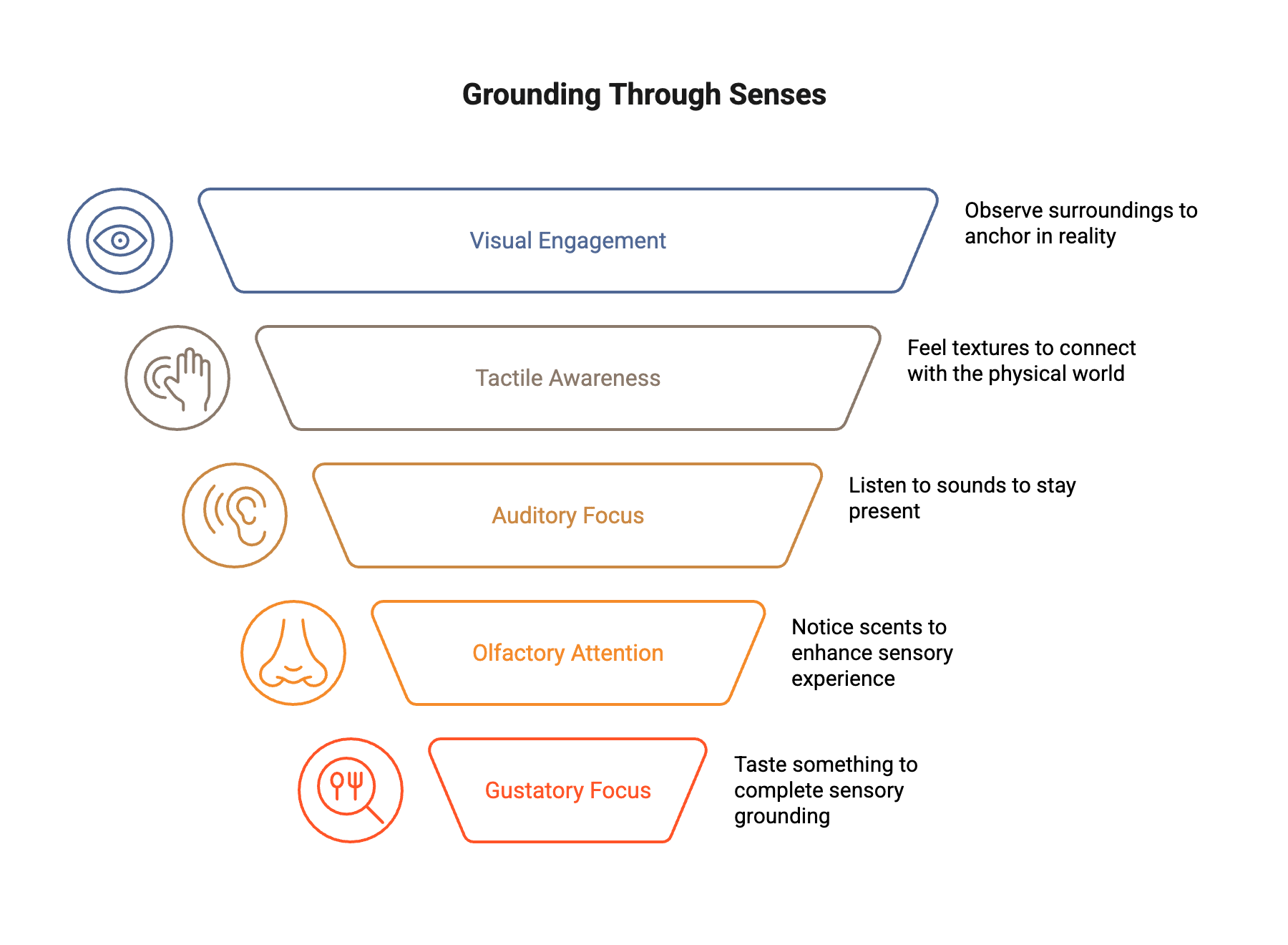
The 555 rule (also called the “5-4-3-2-1” technique) engages all five senses to anchor individuals in the present moment.
The 5-4-3-2-1 technique:
- 5 things you can see – Scan the environment
- 4 things you can touch – Notice textures around you
- 3 things you can hear – Identify distinct sounds
- 2 things you can smell – Notice any scents present
- 1 thing you can taste – Focus on any taste
This expanded version can be particularly effective when anxiety is severe. Both grounding techniques share the same principle: they anchor you in what’s actually happening right now.
What Is the 3-3-3 Rule for Dating?
The 3-3-3 rule for dating is a useful pacing guideline suggesting individuals wait until the third date to make decisions about compatibility.
The dating version suggests:
- 3 dates minimum before deciding if a potential partner is right
- 3 weeks to notice patterns in behavior
- 3 months before making serious relationship commitments
This framework helps people experiencing dating anxiety who tend to overanalyze first impressions. Setting realistic expectations can help manage anxiety during the dating experience.
While self-help strategies and grounding techniques provide valuable tools, many people find that professional therapy offers the most effective path to lasting change.
What Therapy Helps Dating Anxiety?
Several evidence-based therapies can effectively treat dating anxiety. Here’s what research shows works best:
Cognitive Behavioral Therapy (CBT)
Cognitive Behavioral Therapy (CBT) is the most well-researched and recommended therapy for anxiety disorders, including dating anxiety. Research demonstrates that CBT produces large improvements in anxiety symptoms compared to no treatment, with benefits lasting at least 12 months after therapy ends. If you’re exploring different types of therapy for anxiety, CBT is often the first-line treatment recommended by clinicians.
CBT typically involves 8 to 20 weekly sessions with a trained therapist. The approach teaches people with dating anxiety to:
- Identify negative thought patterns – Recognize catastrophic thinking like “If this date goes badly, I’ll never find anyone
- Challenge anxious predictions – Test whether feared outcomes (awkward silence, visible nervousness) actually happen or matter as much as anticipated
- Replace negative thoughts with balanced perspectives – Learn to reframe thinking when dating someone new
- Learn practical coping skills – Use behavioral experiments and cognitive restructuring to respond differently to anxiety triggers
- Build long-term tools – Develop skills that can be used independently after therapy ends
What makes CBT effective for dating anxiety is its focus on learning, not just talking. Therapists explain techniques clearly, assign homework to practice between sessions, and help individuals set specific goals related to managing dating anxiety. If symptoms return later, booster sessions can help reinforce the skills learned.
What we appreciate about CBT for dating anxiety is how quickly clients see results. When someone comes in catastrophizing about first dates, we can test those predictions together within weeks. The homework assignments—like actually going on a date and noticing what happens—provide real evidence that challenges anxious thinking patterns.
Acceptance and Commitment Therapy (ACT)
Acceptance and Commitment Therapy (ACT) offers an evidence-based alternative with similar effectiveness to CBT for anxiety disorders. Rather than challenging anxious thoughts, ACT teaches individuals to accept anxiety-related feelings without letting them control actions.
ACT focuses on values-driven behavior—if forming meaningful romantic relationships aligns with personal values, individuals take action toward dating even when anxiety is present. This approach includes cognitive defusion (observing anxious thoughts without being influenced by them) and mindfulness practices (focused present-moment awareness) to stay grounded. ACT particularly helps people who’ve tried to “fix” their own anxiety through logic but still feel stuck.
Other Evidence-Based Options
Other evidence-based options that may help include:
- Applied Relaxation Therapy – Teaches specific relaxation techniques to reduce physical symptoms like muscle tension and rapid breathing. For some types of anxiety, applied relaxation works as well as CBT.
- Mindfulness-Based Interventions – Help individuals develop non-judgmental awareness of thoughts and feelings, reducing rumination about past dates or worry about future ones.
- Psychodynamic Therapy – Explores how past relationship experiences and unconscious patterns contribute to current dating anxiety. Research shows psychodynamic therapy success rates above 50% that remain stable over time, though the evidence base isn’t as strong as CBT.
Getting Started with Therapy
Here’s what to know when seeking professional help for dating anxiety:
Not all therapy is the same. Make sure your therapist is trained in evidence-based treatments. Therapy can be delivered in different formats—individual sessions, group therapy, or structured online programs—and what matters most is what individuals learn, not the format.
It’s normal to feel anxious about starting therapy itself. Many people with anxiety feel nervous about beginning treatment. But anxiety disorders can be effectively treated and can significantly improve quality of life. A healthcare professional can create a treatment plan that may include therapy and, if needed, medication for more severe anxiety disorders.
Finding Support for Dating Anxiety in DC
If you’re avoiding dating altogether, experiencing panic symptoms before dates, or finding that fear of rejection prevents authenticity, therapy offers evidence-based tools to help. The goal isn’t to eliminate all nervousness but to prevent anxiety from controlling one’s dating life.
Professional help can help individuals build confidence, set realistic expectations about dating, and learn to communicate openly in romantic relationships. Whether choosing CBT, ACT, or another evidence-based approach, the most important step is seeking professional support when anxiety significantly impacts well being.
Ready to Get Started?
Our therapists are trained in evidence-based approaches for anxiety, including CBT and ACT. If you’re wondering about the difference between therapists and psychologists when seeking dating anxiety treatment, our team can help you understand your options. We understand the unique challenges of dating in DC and can help you develop practical tools to manage anxiety and approach relationships with greater confidence.
This blog provides general information and discussions about mental health and related subjects. The content is not intended to be a substitute for professional medical advice, diagnosis, or treatment. Always seek the advice of your physician or other qualified health provider with any questions you may have regarding a medical condition.