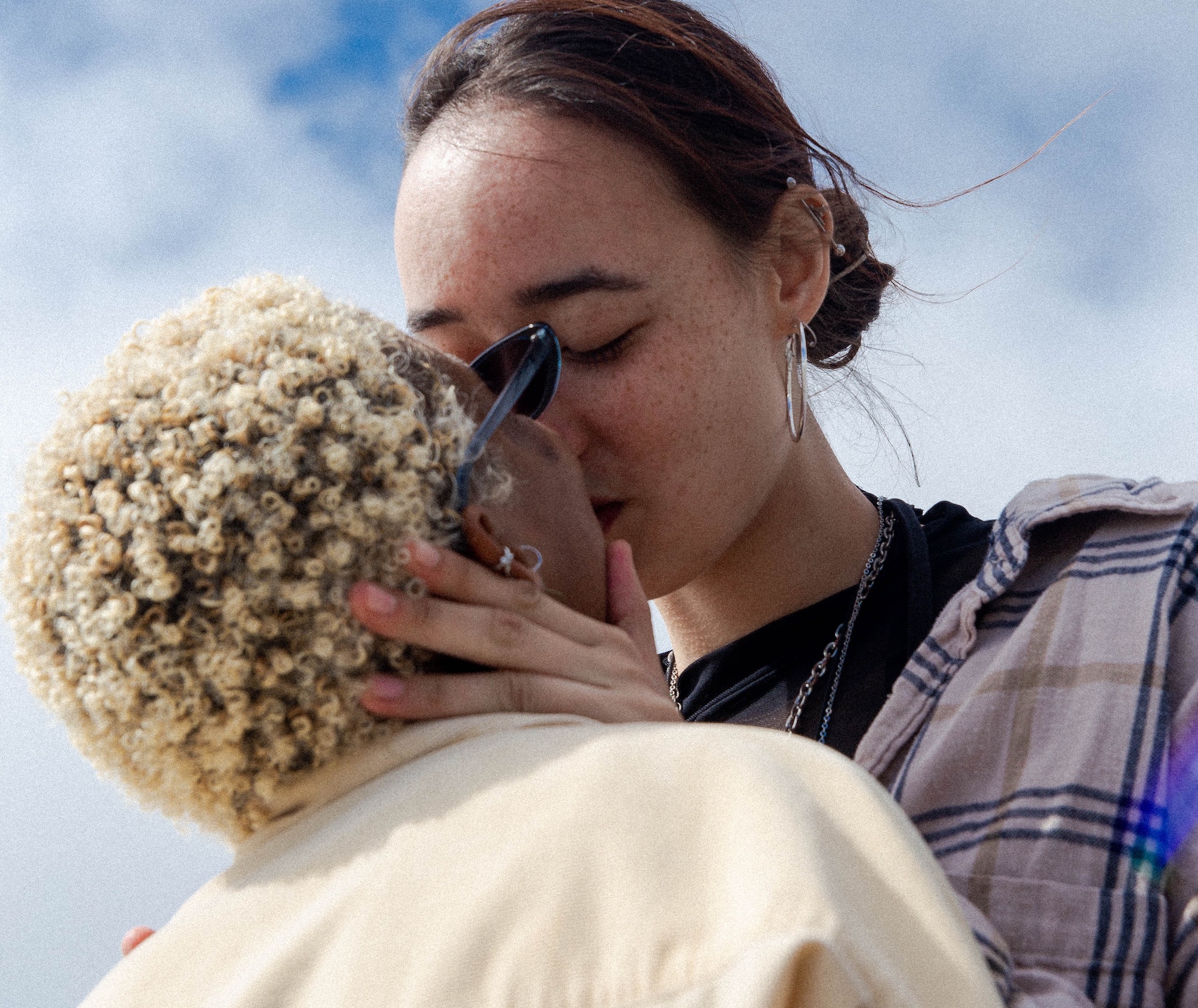

Opening up to strangers can feel intimidating, and many people experience dating anxiety, making the thought of putting yourself out there for the first time overwhelming. For people who have anxiety disorders or other mental health conditions, dating can be even more complicated—so much so that anxious people may opt-out of the dating scene altogether. Whether you’re trying online dating for the first time or dating with a mental illness, here are some tips to overcome dating anxiety and put yourself out there.
1. Recognize the symptoms of anxiety.
Whether you experience feelings of anxiety each time you open a dating app or right before you meet your date, it’s essential to recognize the symptoms. Even if you’re not living with a diagnosable mental disorder, understanding the symptoms of anxiety is the first step toward identifying your triggers and managing your anxiety.
Anxiety is different for everyone, and people with different anxiety disorders will experience a different set of anxiety symptoms. According to the National Institute of Mental Health (NIMH), most people experience a combination of psychological and physical symptoms, including:
- Feelings of nervousness, restlessness, or feelings of tension
- Intense fear, panic, or dread
- Shortness of breath
- Rapid heartbeat or chest pain
- Increased sweating
- Fatigue, weakness, or lethargy
- Difficulty focusing or thinking clearly
- Sleeping problems, such as insomnia
- Digestive issues, such as nausea
- Excessive fear of social situations (social anxiety)
- Trouble functioning in everyday life or carrying out daily activities
- Panic attacks
Interpersonal cognitive distortions, which affect perceptions of social relationships, can also play a significant role in dating anxiety.
Anxiety disorders often co-occur with other mental health conditions, such as major depression and substance abuse. Perceived parental rejection is another factor that can influence dating anxiety, often leading to cognitive distortions in social settings. If mental health symptoms interfere with your daily life, consider seeking professional mental health support. Anxiety disorders are highly treatable with psychotherapy, medication, or a combination of both, according to the American Psychiatric Association.
2. Take a step back from social media.
If online dating leaves you feeling anxious, it might be time to rethink your relationship with dating apps. Between rejection, constant fear of abandonment, and feelings of loneliness, dating apps can take a significant toll on your mental health. Personal insecurities can also be exacerbated by the constant comparison and rejection experienced on dating apps.
To cultivate a healthier relationship with dating apps and social media, try limiting your dating app usage. Instead of mindlessly scrolling for hours on end, set aside 15 minutes each day to use dating apps with intention. If you’re experiencing excessive worry or apprehension each time you use dating apps, psychotherapy (talk therapy) can help you start building a healthier relationship with online dating.
3. Practice positive self-talk.
Sometimes, it’s easy to convince ourselves that social interactions will go badly because that’s what we want to believe. This is called projection, and it’s a mirror of what we think about ourselves—not necessarily what other people think about us.
Past experiences, including previous relationships and childhood attachment styles, can significantly influence your current dating anxiety and self-perception.
When you find yourself thinking negative thoughts or convincing yourself that a new relationship won’t go well, practice positive self-talk—whether that involves reviewing your goals, complimenting yourself, or practicing positive affirmations. Talking to yourself like you would talk to a friend can help reduce stress, boost self-esteem, and decrease negative thoughts.
4. Take care of your mind and body.
If you’re experiencing feelings of anxiety before a date, it’s easy to let your health fall by the wayside. However, handling stressful situations and pressure is easier when your mind and body feel good. Practicing mindfulness and immersing yourself in the present moment can help reduce anxiety and improve your overall well-being. Incorporating healthy lifestyle choices into your daily life can help manage your anxiety symptoms.
Lifestyle changes, such as eating a balanced diet, getting enough sleep, reducing caffeine consumption, and regular physical activity, can help relieve stress, improve your quality of life, and help you feel more energized. When you take care of your physical and mental health, you’ll build resilience, helping you cope better with the stresses and strains of whatever life throws at you.
5. Reach out for professional help.
Anxiety shouldn’t stop you from enjoying new relationships and exploring the dating scene, and professional help can be crucial in reducing dating anxiety. If you’re experiencing social anxiety, have trouble meeting new people, or want a healthier relationship with dating apps, talk therapy can help. Working with a licensed psychologist can help you form healthy boundaries, manage your anxiety symptoms, and learn strategies to cope with stressful situations.
Therapy can also help you navigate the complexities of romantic relationships, ensuring that anxiety does not hinder your ability to form meaningful connections.
To find the right fit, reach out to a mental health provider through the Therapy Group of DC. Whether you’re feeling anxious about intimacy or navigating the uncertainties of life in DC, we’re here to help you every step of the way. One of our compassionate, experienced mental health professionals will help you explore your treatment options and overcome your dating anxiety.