

Washington DC creates specific stress patterns. Demanding careers, political intensity, and the city’s transient nature all contribute. When stress and anxiety spike beyond manageable levels, understanding relief strategies becomes essential for your mental health and well-being.
The good news? There are effective methods available to help you manage stress and alleviate anxiety, even amid the fast-paced environment of DC.
What Causes Anxiety and Stress in DC?
Anxiety is your body’s alert system responding to life’s challenges. In Washington DC, certain factors intensify these feelings. The city’s transient nature makes maintaining stable relationships difficult. Career pressure, long work hours, and the competitive atmosphere can lead to chronic stress that affects both your physical and mental health.
Understanding your symptoms is the first step. Common physical symptoms include:
- Muscle tension and headaches
- Increased heart rate
- Trouble sleeping
- Fatigue despite adequate rest
You might also notice emotional symptoms like feeling overwhelmed, constant worry, or difficulty focusing on daily life.
In our years working with DC clients, we’ve noticed that the city’s transient nature creates a specific type of chronic stress. People often tell us they feel like they’re “always starting over” with friendships and professional networks. What we see is that this lack of stable connection amplifies baseline anxiety—when stress hits, there’s no established support system to lean on. This makes building relationships not just nice-to-have, but essential mental health infrastructure.
How to Relax with Anxiety?
Relaxation techniques activate parasympathetic calm through your body’s natural response systems. Breathing reduces anxiety and helps you manage symptoms in the moment.
Try diaphragmatic breathing: inhale slowly through your nose for five counts, hold for five, and exhale slowly for five. This engages the parasympathetic nervous system and helps lower your heart rate and blood pressure. Even a few minutes can make a noticeable difference when you’re feeling anxious.
Progressive muscle relaxation releases physical tension that anxiety creates. Slowly tense and then relax different muscle groups throughout your body, beginning with your toes and moving up to your head.
Guided imagery can also induce calm. Close your eyes and imagine a peaceful scene in as much detail as possible—perhaps the C&O Canal on a quiet morning or the Kennedy Center terrace at sunset.
Quick tip: Keep these techniques simple. The goal is to have tools you can use anywhere—during a stressful meeting, on the Metro, or before an important presentation.
What is the 3-3-3 Anxiety Rule?
The 3-3-3 rule interrupts anxiety spirals by redirecting your focus to the present moment and away from anxious thoughts.
Here’s how it works:
- Look around and name three objects you see
- Identify three sounds you hear
- Move three parts of your body—such as wiggling your fingers, rolling your shoulders, or tapping your feet
This simple exercise interrupts the anxiety cycle by engaging your senses. It works especially well during stressful commutes or overwhelming workdays.
Can Exercise and Physical Activity Help?
Physical activity rewires stress response better than most interventions. Exercise lowers stress significantly and boosts mood-regulating endorphins that naturally improve how you feel.
Intense workouts aren’t necessary to see benefits. Even a 20-minute walk around Dupont Circle or along Rock Creek Park can help clear your mind. Consistency matters most—aim for regular physical activity throughout the week rather than sporadic sessions.
Yoga combines movement with mindfulness, making it especially helpful for managing stress and anxiety. Many studios in DC offer classes that combine physical practice with stress reduction techniques.
How Does Mindfulness and Complementary Health Help?
Practicing mindfulness means paying attention without judgment to the present moment. Over time, it can ease anxiety symptoms and bring a steadier sense of calm.
Start with short guided meditations—just a few minutes each day makes a difference. Focus on your breath, notice thoughts without getting caught up in them, and gently redirect your attention when your mind wanders.
Meditation provides observable physiological calm that benefits your overall health. Many people find that consistent practice improves their mood and helps them cope with everyday life more effectively. These integrative health approaches work well alongside traditional treatment when needed.
Reality check: Mindfulness isn’t about emptying your mind or achieving perfect zen. It’s about noticing what’s happening—including stress and worry—without letting it control you.
What Role Does Sleep Play in Managing Stress?
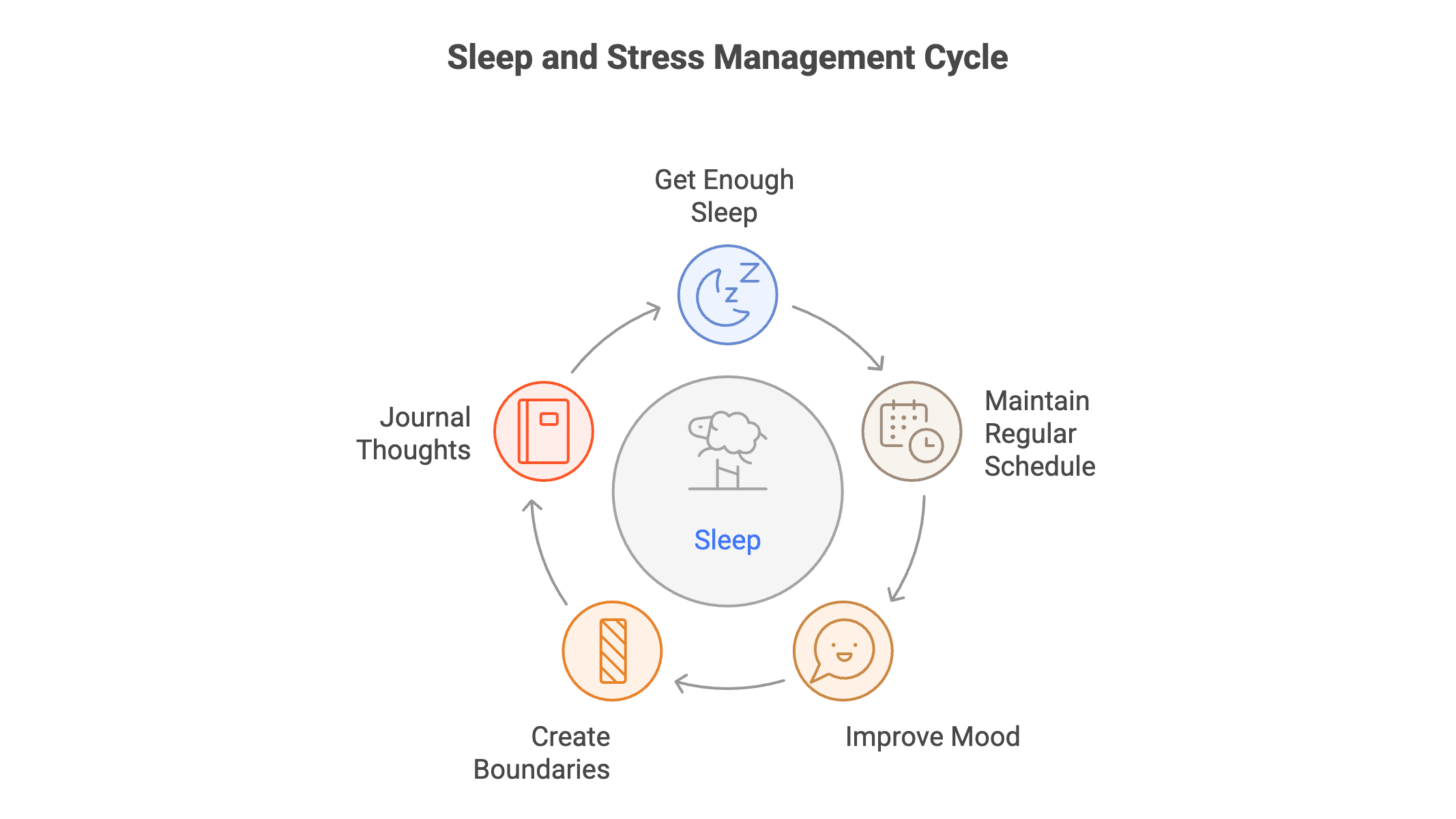
Getting enough sleep is crucial for stress regulation and your body’s ability to manage pressure. Most adults need 7 to 9 hours of quality sleep per night. Maintaining a regular sleep schedule—going to bed and waking up at consistent times—can improve your mood and overall functioning.
Create boundaries around work emails and news consumption before bed. The 24/7 nature of DC’s political cycle makes it tempting to stay plugged in, but this chronic stress response interferes with quality rest.
If you’re lying awake with worry, try journaling. Writing down your thoughts can release pent-up emotions and help identify patterns or triggers.
Can Diet and Lifestyle Affect Anxiety?
Eating a well-balanced diet builds stress resilience in your body’s systems. A healthy diet that includes fruits, vegetables, and whole grains supports your overall health. Regular meals help stabilize your blood pressure and energy throughout the day.
Minimize highly processed foods and be mindful of alcohol. Chronic stress can trigger overeating or unhealthy coping habits. These patterns ultimately make anxiety worse. Learning to avoid unhealthy habits is part of building long-term resilience.
Research suggests certain vitamins and minerals play a role in regulating stress and mood. While nutrient deficiencies may affect your mental health, it’s best to consult with a healthcare provider before starting supplements.
How Can Social Connections Help?
Having a social support system is essential for stress management. Social support reduces stress through multiple neurobiological pathways, and lower levels of connection are associated with higher perceived stress.
The transient nature of Washington DC makes this challenging, but it’s worth the effort. Social interactions offer distraction and support during stressful times. Consider joining a recreational league, volunteering, or participating in neighborhood activities around Dupont Circle.
Don’t hesitate to talk to someone you trust—a friend, family member, or counselor—about what you’re experiencing. Sometimes just naming your emotions can lighten your mental load.
What Helps Severe Anxiety?
When anxiety feels unmanageable or interferes with daily functioning, it may be time to seek professional help. Professional counseling provides strategies personalized to your situation.
If symptoms persist despite your self-care efforts, or if you’re experiencing what might be an anxiety disorder, a mental health professional can help identify stress sources and teach effective coping strategies. Psychotherapy, often called talk therapy, along with other treatments, are the main approaches for anxiety disorders and related mental health conditions.
The DC Department of Behavioral Health Access HelpLine (1-888-7WE-HELP, or 1-888-793-4357) is available 24/7, and you can call or text 988 any time to reach the Suicide & Crisis Lifeline. Don’t wait until you’re in crisis—reaching out early can make a significant difference.
The most common mistake we see is people waiting until they’re in crisis to reach out for help. In our experience, early intervention—when anxiety is uncomfortable but manageable—yields the best outcomes. We encourage clients to think of therapy like going to the gym: it’s easier to maintain mental fitness than to rebuild it after a complete breakdown.
How to Calm Down an Anxiety Attack?
If you’re experiencing an anxiety attack, focus on breathing first. Find a quiet space if possible, and practice deep breaths—inhaling slowly and exhaling even more slowly. This engages your parasympathetic nervous system and signals your body that you’re safe.
Use grounding techniques like the 3-3-3 rule to anchor yourself in the present moment. Remind yourself that anxiety attacks, while frightening, are temporary and will pass.
If you experience frequent anxiety attacks or they’re affecting your everyday life, this can indicate a risk for developing an anxiety disorder. A health professional can help determine whether you need additional support.
Creating Your Stress Management Plan
Learning to say no and creating healthy boundaries helps manage stress levels in DC’s demanding environment. You don’t have to attend every networking event or say yes to every professional opportunity.
Identify what works for you. Some people find that playing music helps them relax, while others prefer physical activity or quiet meditation. Experiment with different techniques—your personal collection of strategies will develop naturally over time.
Practice self-compassion. You’re navigating one of the most intense cities in the country—it’s okay to prioritize your mental health and take breaks when you need them.
Bottom line: Managing anxiety and stress is a skill, not a personality trait. The techniques that work best are the ones you’ll actually use, so start simple and build from there.
Getting Professional Support in DC
If you’re looking for support with anxiety and stress, the therapists at Therapy Group of DC are here to help. Schedule an appointment to get started.
Frequently Asked Questions about Relieving Anxiety and Stress
What is the difference between stress and anxiety?
Stress is your body’s physical and mental response to external challenges or demands, such as work pressure or life changes. Anxiety is your body’s reaction to stress that can persist even without an immediate threat. If anxiety interferes with daily life, it may require professional attention.
How can deep breathing help relieve stress?
Deep breathing, especially diaphragmatic breathing, activates the parasympathetic nervous system, which calms the body after stress. By focusing on slow inhales and exhales, you can reduce muscle tension, lower heart rate, and feel more relaxed within minutes.
Why is maintaining a to do list beneficial for managing stress?
Creating a to do list helps organize tasks with realistic deadlines, reducing feelings of overwhelm and procrastination. Prioritizing tasks allows you to solve problems more effectively and regain control over your daily life.
How does learning a second language assist with anxiety relief?
Using a second language shifts brain activity to different areas, redirecting focus away from anxious thoughts. Engaging in conversations or consuming media in another language can provide a mental break and reduce stress levels.
What role does a new playlist play in stress management?
Listening to or creating a new playlist can distract your brain from stress by eliciting positive memories and emotions. Music relaxes people and helps lower stress hormones, making it an effective tool for calming anxiety.
When should I seek help from a mental health professional?
If your symptoms of stress or anxiety persist despite self-care efforts or interfere significantly with everyday life, it may be time to consult a mental health professional. They can provide personalized strategies, including talk therapy and other treatments, to help you manage your mental health effectively.
Disclaimer: This article is for educational purposes only and is not a substitute for professional medical advice, diagnosis, or treatment. Always seek the advice of your physician or qualified mental health provider with any questions you may have regarding a medical or mental health condition. If you are in crisis or experiencing thoughts of self-harm, please call 988 (Suicide and Crisis Lifeline) or go to your nearest emergency room.