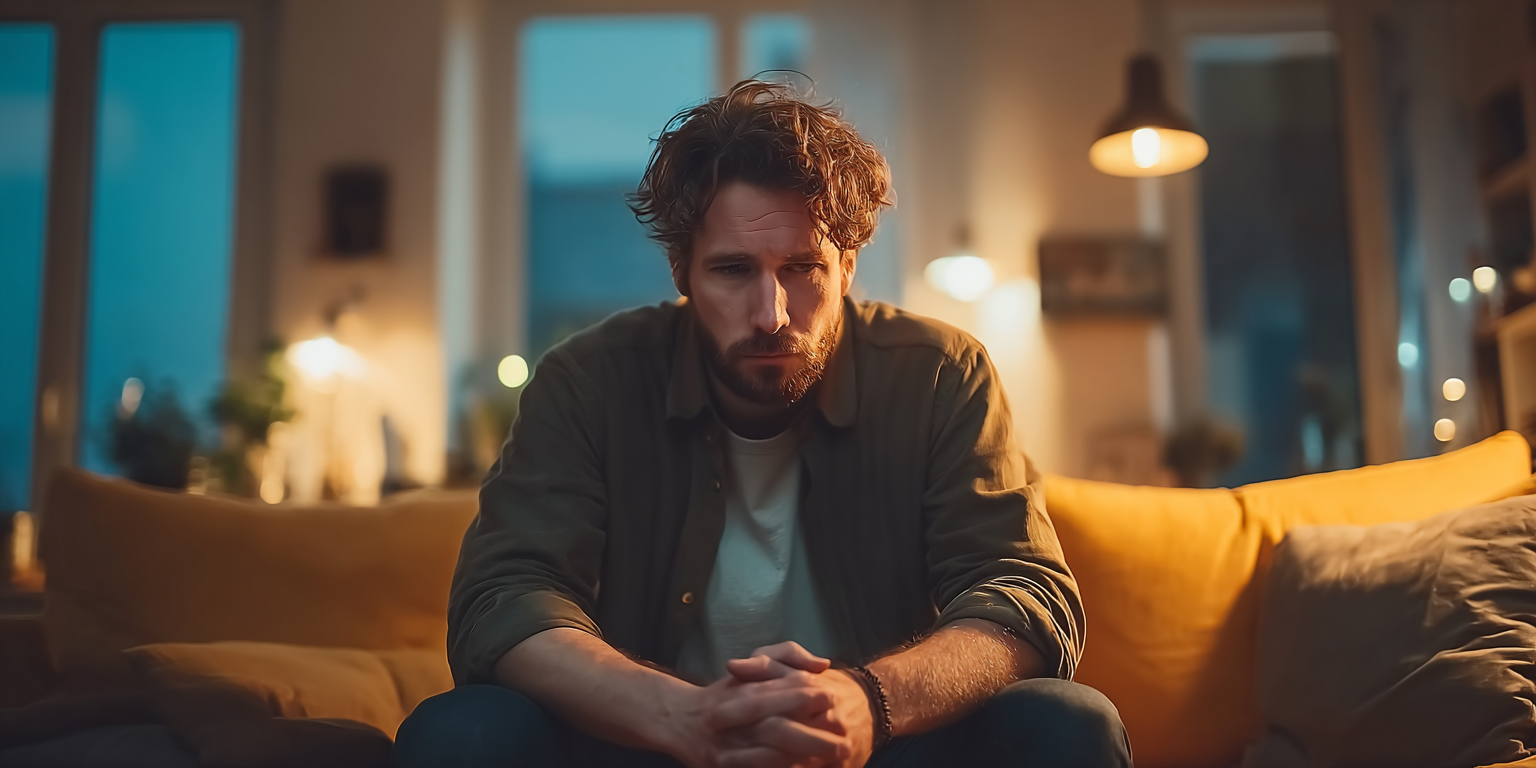

You’re about to be intimate—but your mind starts racing, your body tenses, and suddenly the moment feels more like a test than a connection. Your thoughts shift from desire to doubt, from excitement to fear. This is sexual performance anxiety, and it’s more common than you might think. In fact, a significant number of people are affected by sexual performance anxiety, including both men and women. Research shows that 9% to 25% of men and 6% to 16% of women experience sexual performance anxiety. The good news? It’s treatable, and you can change the script.
What Is Sexual Performance Anxiety?
Sexual performance anxiety happens when worries about how you’ll perform sexually get in the way of desire, arousal, or satisfaction. It can affect anyone—regardless of gender, sexual orientation, or relationship status—and often shows up as both mental distraction and physical tension. While occasional nerves before intimacy are normal, ongoing anxiety can create a feedback loop that impacts your sex life and relationships.
Sexual performance anxiety is often talked about as a men’s issue, but it can affect anyone.
This type of anxiety isn’t just “in your head”—it’s a mind-body experience. The same stress response that kicks in before a big presentation can happen in the bedroom in the same way, causing cortisol levels to rise and redirecting blood flow away from the areas that support sexual arousal. Increased levels of stress hormones can cause a reduction in blood flow to the penis, preventing erection.
Anxieties, including sexual performance anxiety, can impact overall sexual health by affecting mental well-being, intimacy, and physical function.
Understanding Sexual Function
Sexual function is a dynamic process that depends on the harmony of physical health, emotional connection, and psychological well-being. When these elements are in sync, sexual experiences can be deeply pleasurable. Sexual performance anxiety disrupts this balance, making it difficult to enjoy sex—or even initiate it. Worrying about performance can set off a chain of physical symptoms, such as muscle tension, rapid heartbeat, or erectile difficulties, which further undermine sexual function.
Sexual dysfunction is rarely just a physical problem. It often stems from mental health conditions, past negative sexual experiences, or persistent psychological stress. For many, fears about not meeting a partner’s expectations can create a cycle of anxiety that diminishes both desire and performance. Over time, this can lead to avoiding intimacy altogether, reinforcing the anxiety.
If anxiety or fear is affecting your sexual experiences, connecting with a healthcare provider is a crucial first step. They can help identify any underlying physical or psychological contributors. Evidence-based treatments like cognitive behavioral therapy (CBT) can address negative thoughts, process past experiences, and build healthier patterns around sex—allowing you to work toward a satisfying, confident sex life. CBT is the most common type of talk therapy used to treat sexual performance anxiety in men and women.
Managing Erectile Dysfunction
Erectile dysfunction (ED) is one of the most common sexual disorders linked to sexual performance anxiety. Anxiety can interfere with the body’s natural sexual response, making it harder to achieve or maintain an erection. This often creates a self-perpetuating loop: worry leads to ED, which heightens anxiety, further impacting performance.
There are effective ways to address both ED and performance anxiety. Medications like phosphodiesterase type-5 inhibitors can improve blood flow, but it’s equally important to tackle the psychological side. Factors such as negative self-talk, poor body image, and stress can all play a role.
CBT can help reframe unhelpful beliefs, while stress-reduction strategies—like relaxation exercises, mindfulness, and regular physical activity—support overall well-being. Improving body image and self-confidence can also enhance comfort during sexual activity.
If you’re experiencing ED, seeking professional guidance can ensure a comprehensive approach. By addressing both medical and psychological factors, you can reduce anxiety, improve sexual performance, and foster a more connected experience with your partner.
Why It Happens: The Science Behind the Stress
When anxiety enters the bedroom, your brain shifts from being immersed in the moment to self-monitoring—a process researchers call “spectatoring”. Instead of enjoying the sensations and your partner, you’re mentally scoring your own performance. This split attention can interrupt the automatic, pleasurable flow of sexual response.
The main causes of sexual performance issues often include psychological factors like performance anxiety, hormonal imbalances, and lifestyle factors such as stress, lack of sleep, or unhealthy habits. These factors can interact and make it harder to enjoy intimacy.
When you feel stressed, it can reinforce the anxiety cycle and further disrupt your sexual experience.
Common Triggers
- Fear of not satisfying your partner or meeting your partner’s sexual expectations
- Negative body image or appearance concerns
- Past sexual disappointments or trauma
- Pre-existing mental health conditions such as depression or generalized anxiety
- Other factors, such as substance use or hormonal imbalances, can also contribute to sexual performance anxiety
These triggers don’t just affect your thoughts—they can alter your physical response, making it harder to get or stay aroused, which then reinforces the anxiety. Left unaddressed, this cycle can make intimacy feel like a pressure-filled event rather than a shared pleasure. Over time, this cycle can lead to increased anxiety about future sexual activities due to past experiences.
Recognizing the Signs
Sexual performance anxiety can present in several ways:
Physical Signs
- Rapid heartbeat
- Shallow breathing
- Upset stomach
- Erectile or arousal difficulties
- Shaking
Mental Signs
- Intrusive thoughts
- Catastrophic predictions
- Hyper-focus on “failure”
Emotional Signs
- Shame—The feeling of shame, inadequacy, or anxiety can strongly affect sexual performance and self-esteem.
- Frustration
- Embarrassment
- Fear of future sexual encounters
A range of feelings, such as insecurity, fear, or negative thoughts, can also impact sexual confidence and overall sexual health.
Recognizing these patterns is the first step toward breaking them.
Therapeutic Approaches to Overcoming Sexual Performance Anxiety

Skills-Based and Evidence-Backed Methods
Cognitive-behavioral therapy (CBT) can help identify and challenge the negative thought patterns fueling anxiety. Techniques such as exposure exercises, mindfulness practices, and attentional retraining can shift focus back to physical pleasure and connection. Body image interventions address appearance-related worries that contribute to self-consciousness. Yoga can be effective for managing anxiety and improving sexual function. Mindfulness-based sex therapy often incorporates cognitive behavioral techniques as well. These skills-based methods can help a person cope with the emotional and mental aspects of sexual performance anxiety.
Medical Support
For some, medication may be a useful short-term option to reduce baseline anxiety or treat related sexual function concerns. If low libido or reduced sex drive is identified as a contributing factor, medications or hormone therapy—such as testosterone replacement—may be considered.
Psychodynamic and Depth-Oriented Work
Insight-oriented therapy explores how early experiences, attachment styles, and unconscious beliefs influence sexual confidence today. This approach helps address root causes, not just surface symptoms.
Integrated Care
Combining insight-based approaches with skills-focused strategies offers both immediate relief and lasting change.
Partner Support and Communication
Open communication between partners is crucial for addressing sexual performance anxiety. Share your concerns honestly, avoid blame, and explore strategies together—such as slowing down, experimenting with non-intercourse intimacy, or even attending therapy as a couple.
Moving Forward with Confidence
Sexual performance anxiety is common, but it doesn’t have to define your sex life. If left unaddressed, sexual performance anxiety can cause individuals to lose interest in sex and intimacy. With the right mix of therapeutic tools, self-awareness, and partner support, you can reclaim confidence, enjoy intimacy, and reconnect with pleasure.
Practical Steps You Can Take Today
- Practice mindfulness before intimacy: Focus on breathing or body sensations to quiet racing thoughts.
- Reframe negative self-talk: Replace “I have to perform” with “We’re here to connect.”
- Engage in non-sexual touch: Build intimacy without pressure to perform.
- Seek professional guidance early: Early intervention can prevent the cycle from becoming entrenched.
- Support psychological well-being: Addressing stress and anxiety can improve your overall sexual experience. Mindfulness meditation has been found effective in treating sexual performance anxiety.
Even small changes can disrupt the anxiety loop and make space for authentic, pleasurable experiences.
Final Thoughts
Breaking free from sexual performance anxiety often requires a combination of self-compassion, practical strategies, and professional guidance. It’s about more than just avoiding anxiety in the moment—it’s about building a foundation of trust, communication, and confidence that supports a satisfying, connected sex life over the long term.
Every person’s experience with sexual performance anxiety is unique, and what works for one person may not work for another. Individualized support can make a significant difference in addressing the specific challenges each person faces.
If you’re struggling, consider reaching out to a licensed mental health professional who understands both the psychological and physiological aspects of sexual well-being. Every step you take toward addressing anxiety is a step toward reclaiming intimacy on your own terms.