Therapy Group of DC
Being a gay man in a city like Washington DC comes with specific pressures that a generalist therapist might not understand without you having to explain them first. The dating app culture, the professional code-switching, the persistent undertone of family rejection or religious shame, the unspoken comparison around body image and sexual performance — these aren’t quirks of your personality. They’re responses to real systemic stress that shapes mental health.
Therapy for gay men isn’t about changing who you are. It’s about untangling what’s internalized from the broader culture — shame, self-criticism, hyper-vigilance in certain spaces — so you can live with more freedom and intention.
At Therapy Group of DC, our therapists have spent years working with the specific mental health concerns that show up in our community: identity and self-esteem issues rooted in minority stress, relationship and intimacy challenges, body image and muscle dysmorphia, coming out processes, substance use patterns, and the ways dating in DC’s smaller gay community can feel both intimate and exposing at once.
The research is clear: gay and bisexual men experience depression and anxiety at 2–3 times the rates of the general population. This isn’t an inherent feature of being gay. It’s a reflection of stigma, discrimination, and the accumulated weight of minority stress.
 Michael
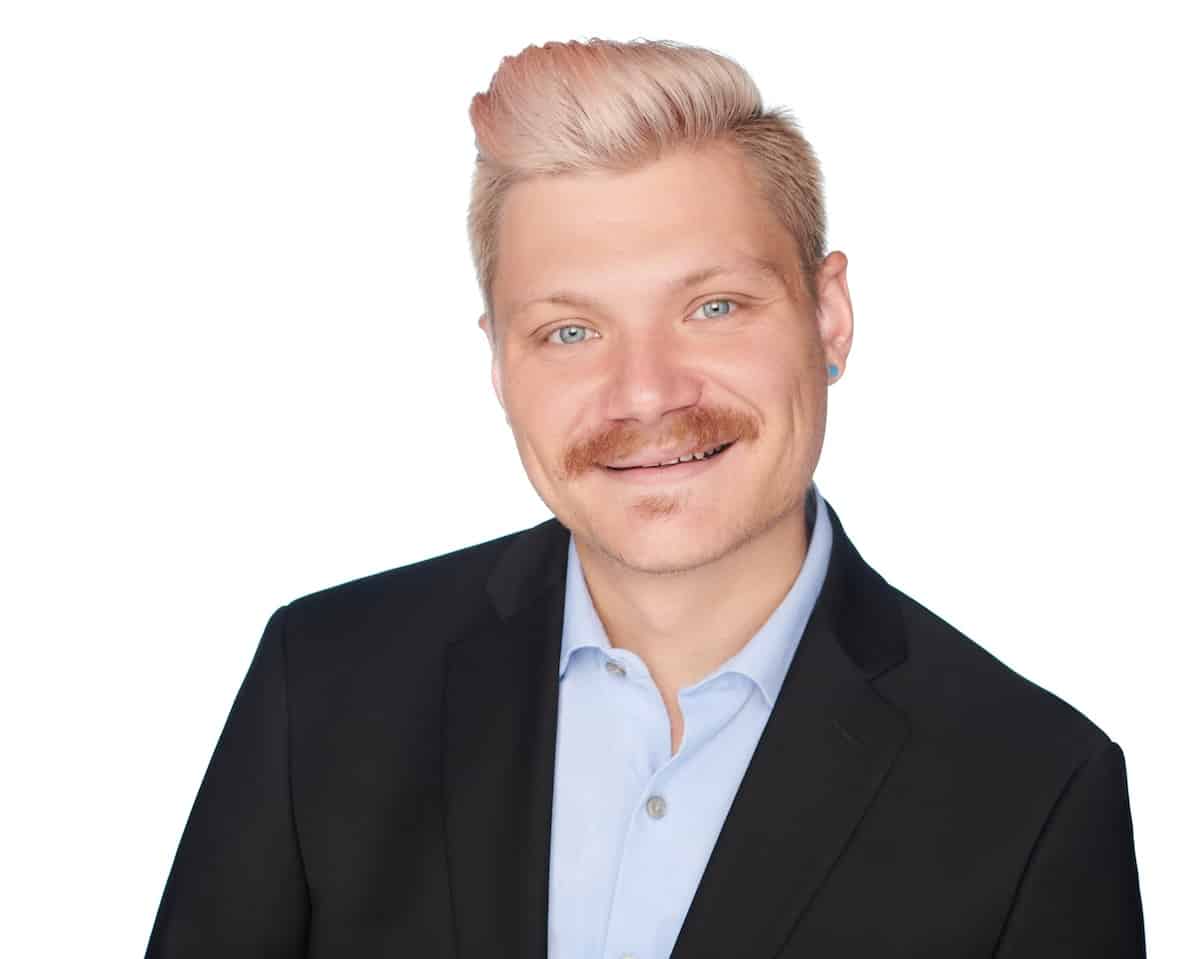 Kevin
Kevin
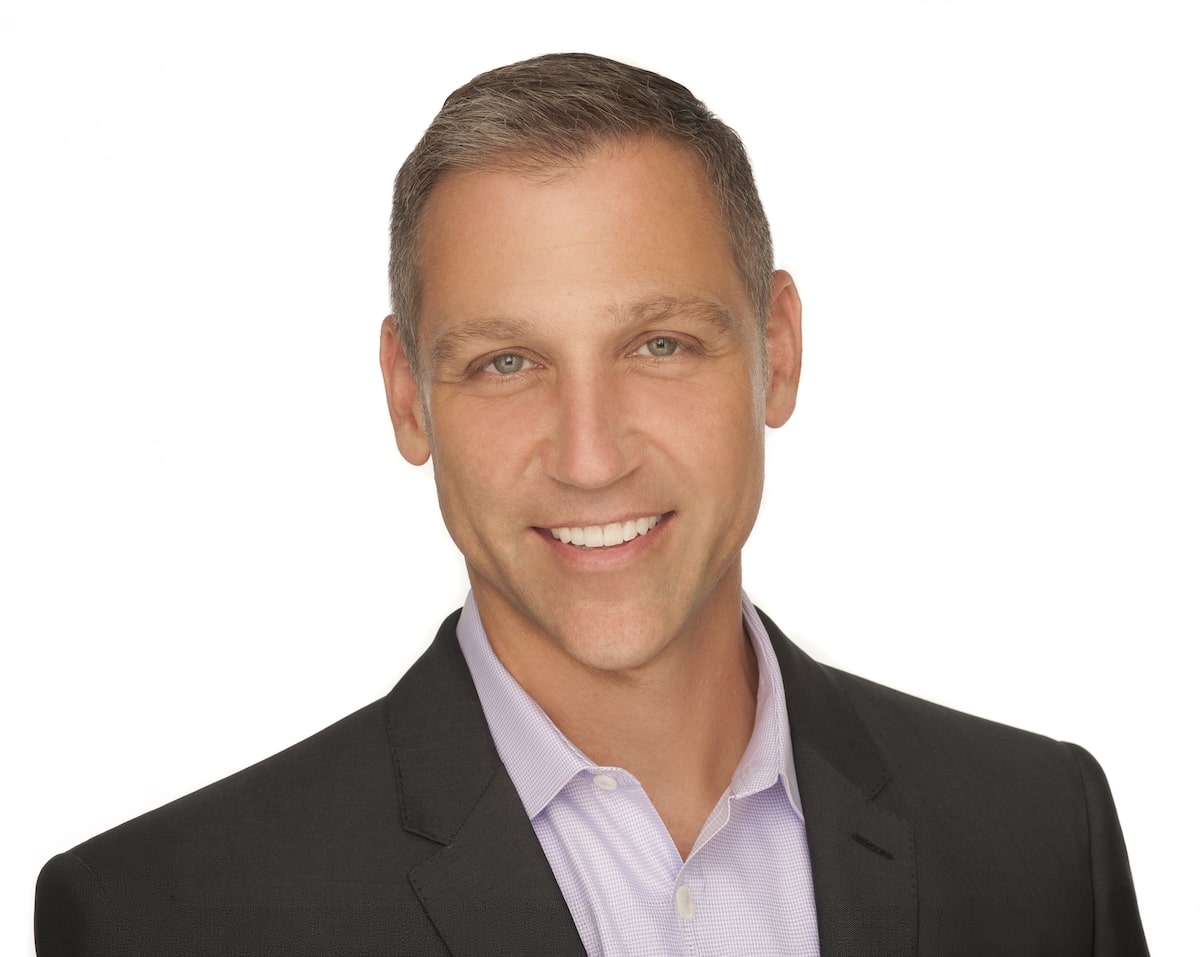 Keith
Keith
 Dominique
 Xihlovo
 Rose
Rose
What Makes Therapy Different for Gay Men
You’re not starting from scratch. A gay-affirming therapist already understands the landscape. We know the difference between symptoms of depression and the predictable weight of living in a culture that still treats your identity as something to hide or apologize for. We recognize minority stress as a real phenomenon — not a weakness in you.
Internalized homophobia is real and treatable. Many gay men carry a critical inner voice shaped by decades of messaging that being gay is wrong, inferior, or risky. This shows up as self-doubt, perfectionism, shame around sexuality, or harsh judgments of other gay men. A specialized therapist helps you identify and soften this voice through deeper work to understand where it came from and why it persists.
Identity exploration is central. Sexual orientation and gender identity aren’t fixed on day one. For many gay men, there’s a process of questioning, exploration, coming out, re-coming-out, and integrating different parts of self across different life contexts. Therapy holds space for this without rushing you to a fixed conclusion.
Affirming care means different things in different moments. Early in coming out, you might need to process family grief and rejection. Later, you might grapple with what kind of gay man you want to be, or how to balance sexual expression with relationship commitment. A specialized therapist moves with you through these different phases.
What We Hear Most Often
Minority Stress & Identity
Navigating stigma, discrimination, and the subtle pressure to hide or minimize parts of yourself. Many gay men internalize these messages as shame or self-criticism, which becomes the engine of anxiety and depression. Therapy helps you separate systemic stress from personal deficiency.
Learn More →Relationships & Intimacy
From navigating open relationships to processing attachment anxiety, sex and vulnerability, and how to build secure partnerships in a culture that historically denied marriage and family to gay men.
Learn More →Body Image & Muscle Dysmorphia
The gym culture, the dating app images, the pressure to maintain a certain look — these forces can fuel obsessive exercise, appearance anxiety, and eating concerns. Body image work for gay men requires understanding both the personal drivers and the community context.
Learn More →Coming Out & Community
Whether you’re early in coming out, navigating family reaction, code-switching between work and social life, or finding authentic community in DC’s smaller gay network — these processes carry real emotional weight and deserve space to explore.
Ready to Get Started?
Our therapists specialize in the specific pressures gay men face — you won't have to explain the basics before the real work begins.
How We Work with Gay Men
Psychodynamic therapy helps you understand the roots of your self-criticism, shame, and relational patterns. Much of what you learned about being gay came from outside sources — parents, religion, peers, culture. Psychodynamic work lets you trace these messages, understand why they stuck, and gradually free yourself from their grip.
Emotionally focused therapy (EFT) for couples is highly effective for gay men navigating attachment, emotional responsiveness, and secure partnership. EFT focuses on the dance between partners — how you pursue or withdraw, how you express need or protect yourself. For gay couples, this work often includes processing the historical context of not being able to marry and learning to build safety and trust in partnership.
DC’s gay community is large enough to feel like a scene but small enough that everyone knows everyone. This creates a specific dynamic: your ex is at the same party, your therapist’s other clients might be friends of friends, and dating feels like it happens in a fishbowl. Our therapists understand this context — and how it shapes your relationships, your anxiety, and your sense of self.
CBT and ACT help you manage anxiety and depression by identifying thought patterns, building coping skills, and clarifying what matters to you. These approaches are particularly useful for coming out anxiety, social anxiety, and the specific worries that show up in DC’s gay dating scene.
Group therapy for gay men provides something individual therapy cannot: connection with other men navigating similar struggles. Our groups create space to explore identity, relationships, body image, and community in a confidential, affirming container.
What Therapy Looks Like
Getting Oriented
Your therapist gets to know you — not just your symptoms, but your story. Where you are in your identity journey, what brought you to therapy, and what you actually want to feel different. No assumptions, no intake checklists about your orientation.
Naming What's Yours and What Isn't
A lot of what gay men carry — shame, hypervigilance, self-criticism — was absorbed from the outside. This phase helps you separate internalized messages from who you actually are, so you stop treating systemic stress as personal failure.
Deepening the Work
Whether that means exploring relational patterns, processing family grief, working through body image struggles, or building the relationship skills you never had modeled — this is where the real shift happens.
Living More Freely
You’ve built a clearer sense of who you are and what you want. Therapy shifts toward sustaining that clarity — navigating new challenges from a grounded place rather than a reactive one.
Meet Our Gay Men’s Therapists