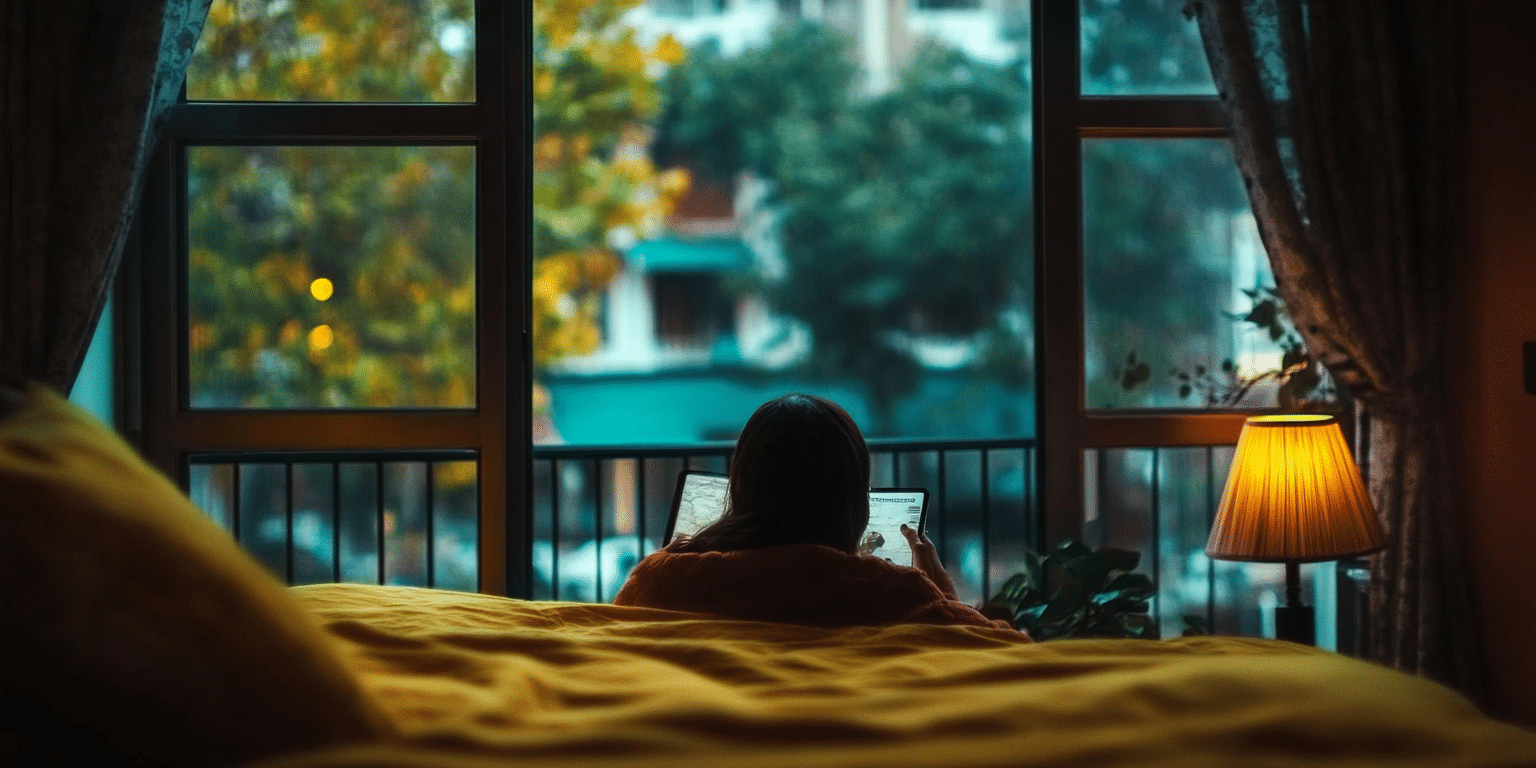

Why Hangxiety Matters in Washington, DC
Washington, DC works hard — and from Thursday night through Sunday evening, many residents drink just as hard. Bottomless brunches, rooftop happy hours, and late‑night bar crawls pack the city’s calendar. The CDC binge‑drinking dashboard shows about 17 percent of adults here binge drink each month, several points above the U.S. average. After the fun ends, searches for hangxiety—the uneasy mix of hangover symptoms and next‑day worry—spike across the District.
What Is Hangxiety?
Hangxiety—also called hangover anxiety or post‑drinking anxiety—is a wave of dread, guilt, or racing thoughts that rolls in once the buzz fades. The National Institute on Alcohol Abuse and Alcoholism notes that common hangover symptoms—headache, nausea, a pounding heart—often arrive with mood changes like irritability and feeling anxious. Hangxiety is that emotional punch stacked on top of the physical hangover.
In plain language, drinking tweaks your brain chemistry. When the alcohol wears off, the brain snaps back—sometimes too far—and your nervous system triggers a brief alarm. The result can be hours of jitters and worry that feel worse than the headache itself.
Why Does Alcohol Trigger Anxiety the Next Day?
- Brain rebound. Alcohol boosts the calming chemical GABA and suppresses the stimulant glutamate. When you stop drinking, glutamate surges, and a study shows this overshoot can increase anxiety and disturb sleep.
- Broken sleep. Even one extra drink cuts deep sleep and REM. A CDC review on alcohol and sleep links poor rest to higher daytime anxiety.
- Stress hormones. After the buzz fades, cortisol and adrenaline spike, raising heart rate and blood pressure—sensations many people read as anxiety.
- Dehydration and low blood sugar. Lost fluids and electrolytes leave you shaky; blood‑sugar dips can cause nausea and mood swings. Together they mimic panic.
- Existing mental health conditions. Folks with an anxiety disorder are more likely to feel hangxiety.
Together, these shifts explain why hangxiety can feel worse than the headache itself—and why simply “sleeping it off” doesn’t always work.
Physical and Emotional Symptoms to Expect
Below are the most common hangover symptoms that merge with anxious thoughts to create hangxiety. You might notice a few, or the whole bundle:
- Physical hangover symptoms: pounding headache, nausea, dry mouth, light sensitivity, muscle aches, increased heart rate, and the “shakes.” A systematic review in Current Drug Abuse Reviews found that fatigue, dizziness, and general physical discomfort peak within the first 6 hours after waking. Review of hangover symptoms
- Emotional and cognitive hits: intrusive memories of the night before, guilt, irritability, restlessness, and “doom scrolling” to check texts or social feeds. Researchers observed higher anxiety scores among hangover‑sensitive drinkers compared to hangover‑resistant peers. Anxiety and stress in hangover‑sensitive drinkers
If these feelings morph into full‑blown panic or last beyond a couple of days, it’s a flag to reach out for help.
Who Is Most at Risk?
Hangxiety can strike anyone who drinks, but some groups face a steeper climb:
- Heavy or binge drinkers. DC’s binge‑drinking rate sits above average, and more alcohol means a bigger rebound effect.
- People with a history of anxiety or depression. Baseline anxiety primes the brain for a sharper cortisol spike post‑drinking. SELF Health feature on hangover anxiety
- Those who use alcohol to self‑medicate social stress. The quick calm of GABA gives way to an even stronger glutamate surge the next day, leaving them feeling anxious and irritable.
- Genetic factors. Variations in the GABA‑A receptor may make some drinkers more vulnerable to mood swings after drinking.
If you notice a pattern—say, every weekend ends with vivid anxious thoughts—it may be worth screening for an alcohol use disorder or underlying mental health conditions.
How Long Does Hangxiety Last?
For most social drinkers, hangxiety eases as soon as the body clears the alcohol, usually within 12–24 hours. A report from the American Addiction Centers notes that genetics, the amount of alcohol, and baseline anxiety can stretch symptoms to 48 hours.
Rule of thumb: if post‑drinking anxiety lingers beyond a week—or you need more alcohol to quiet it—talk with a licensed professional. Persistent symptoms may signal withdrawal, heightened stress vulnerability, or early signs of alcohol use disorder.
Up next, we’ll cover practical ways to prevent hangxiety before it starts and manage post‑drinking anxiety when it strikes.
Preventing Hangxiety Before the First Sip
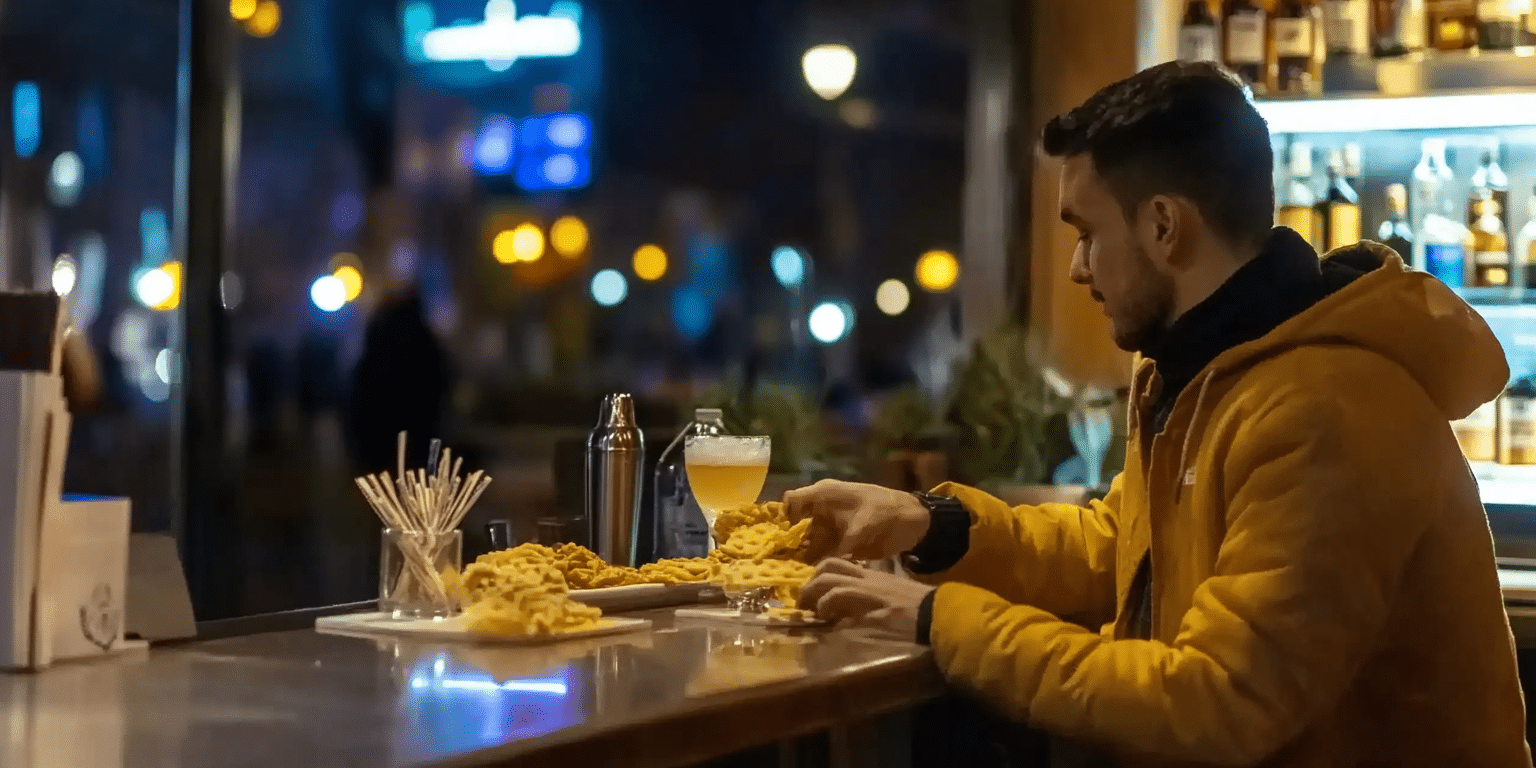
Building a few smart habits into your night can prevent hangxiety or at least blunt its bite.
- Eat first and keep snacks handy. A balanced meal with protein, healthy fats, and complex carbs slows alcohol absorption so your body maintains a more normal chemical balance. If you feel hungry later, grab a handful of nuts instead of another cocktail.
- Drink water between alcoholic drinks. The classic “one glass of water for each drink” rule fights dehydration and keeps blood pressure steadier.
- Stick to a pace you can track. Limiting yourself to one standard drink per hour lets the liver clear alcohol and helps the brain’s GABA–glutamate system stay closer to baseline.
- Avoid stimulant drugs or excess caffeine. Combining alcohol with energy drinks or other drugs pushes your heart rate higher and can increase anxiety as the night winds down.
- Plan your ride and bedtime. Knowing how you’ll get home and when you’ll sleep curbs last‑minute stress and cuts down on sleep deprivation.
Managing Post‑Drinking Anxiety at Home
When hangover anxiety strikes, gentle care for both body and brain is key.
- Hydrate and refuel. Electrolyte drinks, a banana for potassium, and a light breakfast help restore the body’s fluid and glucose balance. This eases shaky physical symptoms like nausea and muscle aches.
- Move and breathe. A slow walk or stretching boosts blood flow and releases endorphins. Pair it with box breathing (inhale 4, hold 4, exhale 4, hold 4) to feel calm.
- Ground racing thoughts. Jot down anxious thoughts in a journal, then call a good friend or try a short guided meditation you find relaxing. Talking to a close friend can provide support and alleviate feelings of loneliness after a night of drinking.
- Skip “hair of the dog.” Drinking more alcohol may dull discomfort for an hour, but research shows it leads to ongoing feelings of emotional distress and a tougher rebound later.
- Rest wisely. Quick naps of 20–30 minutes can recharge mood without wrecking nightly sleep.
When Hangxiety Signals Something Deeper
Heavy drinking that ends in hangxiety every weekend can creep toward alcohol abuse. Warning signs include needing alcohol to relax, blackouts, or anxiety that lingers all week. If you spot these patterns, confidential support is available:
- Talk with a primary‑care doctor about screening tools like the AUDIT.
- Call the SAMHSA helpline (1‑800‑662‑HELP) for free, confidential support.
- Reach out to a therapist who understands both addiction and mental health conditions.
Remember: the most important thing is early action—long before risk turns into crisis.
How Therapy Group of DC Can Help
The Therapy Group of DC offers science‑backed ways to manage post‑drinking anxiety and break the cycle:
- Individual therapy. Modalities like CBT and ACT teach you how your brain works under stress and give tools to steady mood when cravings hit.
- Psychodynamic insight. Exploring the feelings and beliefs that lead to binge patterns can reduce the need to self‑medicate.
- Skills coaching. We weave in sleep hygiene, stress‑reduction exercises, and relapse‑prevention planning so you leave each session with practical next steps.
- Out‑of‑network flexibility. We provide superbills you can submit to insurance for partial reimbursement.
- Confidential support. Everything stays private—crucial when professional reputations are on the line in DC.
If you’re struggling with hangxiety or alcohol-related anxiety, reaching out to the Therapy Group of DC can provide expert guidance and confidential support tailored to your needs.
Frequently Asked Questions About Hangxiety
What causes hangxiety after drinking alcohol?
Hangxiety occurs due to chemical changes in the brain triggered by alcohol consumption. Alcohol works by boosting gamma aminobutyric acid (GABA), a calming neurotransmitter, while suppressing glutamate, which is stimulating. When drinking stops, the brain experiences a rebound effect with increasing glutamate, leading to feelings of anxiety and restlessness.
How long does hangxiety typically last?
For most social drinkers, hangxiety subsides within 12 to 24 hours as the body clears alcohol and restores its normal chemical balance. However, factors like heavy drinking, genetics, and pre-existing mental health conditions can extend symptoms up to 48 hours or more.
Can drinking alcohol cause the opposite effect of calm feelings?
Yes. While alcohol initially promotes calm feelings by affecting the brain’s GABA system, once it wears off, the rebound increase in glutamate and stress hormones can cause the opposite effect, increasing feelings of anxiety and emotional distress.
How can I prevent hangxiety related to alcohol use?
Preventing hangxiety involves moderating alcohol consumption, staying hydrated, eating before and during drinking, and avoiding stimulant drugs that may increase anxiety. Understanding how alcohol affects your brain chemistry can help you manage your risk.
Where can I find confidential support for alcohol abuse and hangxiety?
If hangxiety is frequent or severe, or if you suspect alcohol use disorder, confidential support is available through healthcare providers, therapists, and helplines such as the National Institute on Alcohol Abuse and Alcoholism and SAMHSA.