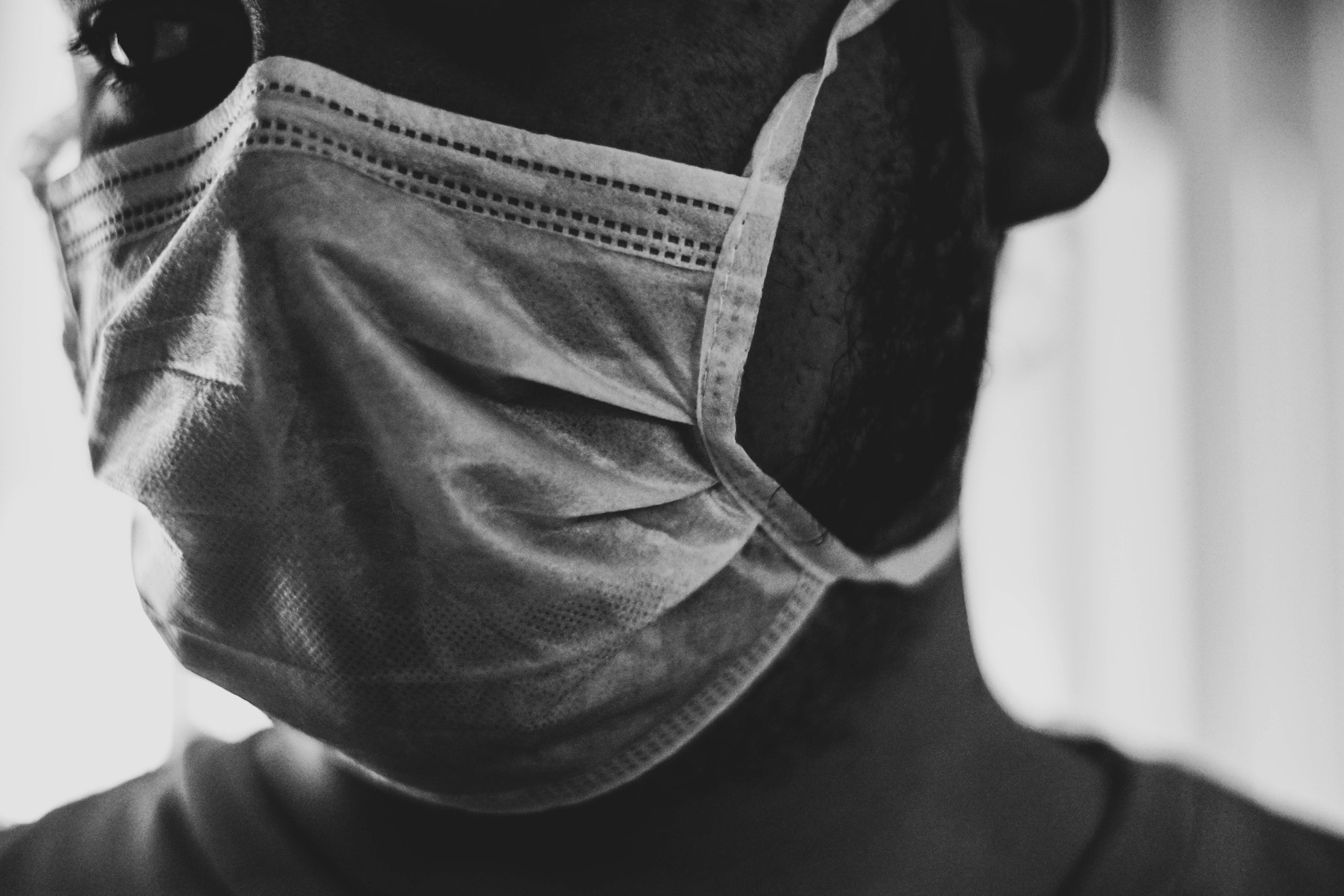

With its long work hours, demanding pace, and emotional intensity, the healthcare environment can place healthcare workers at higher risk for job burnout than the general population. Burnout is a long-term reaction to chronic stress characterized by physical, mental, and emotional exhaustion, depersonalization, and a low sense of personal accomplishment.
Burnout occurs when you’re feeling overwhelmed, emotionally drained, and unable to meet constant demands. For essential workers like first responders, police officers, social workers, hospital staff, and grocery store workers, chronic stress can lead to a loss of interest and motivation that led them to take on their role in the first place.
Unfortunately, the presence of burnout and mental disorders among healthcare workers isn’t new. According to the National Alliance on Mental Illness (NAMI), the rising prevalence of burnout and mental health conditions among human services and healthcare workers has brought forth questions about access to care, patient safety, and care quality.
COVID-19 and Burnout
The COVID-19 pandemic exacerbates the pre-existing causes of burnout and poses a new set of challenges for health care workers. In particular, healthcare workers must balance supporting their patients, colleagues, loved ones, and themselves while navigating a stressful and demanding work environment. Here are some examples of how coronavirus disease is accelerating burnout and mental health problems among medical workers:
- Patient volume: The overwhelming number of patients and the severity of their needs require US physicians to work long hours to deliver care outside of their established patterns. Medical staff, family physicians, and respiratory therapists have taken on new roles and are forced to stretch staff-to-patient ratios in response to public health concerns about disease control.
- Nature of illness: As an infectious disease, COVID-19 can lead to severe complications and has no universal treatment. According to the American Diabetes Association, people with diabetes face a higher risk of severe illness from COVID-19. Health professionals must deliver serious news to patients and their families while risking close contact to provide medical care.
- Resource scarcity: The nature of COVID-19 means that healthcare professionals are dealing with the fear, stress, and grief of watching loved ones become ill. According to the Food and Drug Administration, this fear is exacerbated by shortages of personal protective equipment and other essential resources in healthcare settings across the United States, particularly in peak areas like New York City and San Francisco.
- Uncertainty: Practices on how to medically manage the set of symptoms associated with the novel coronavirus (SARS-CoV-2) are continually changing, creating a need to monitor sources for updates and changes that could save a patient’s life. With ongoing clinical trials and a constant flow of additional information from the World Health Organization, CDC, and the Administration, healthcare providers—especially first responders in emergency medicine—may feel disillusioned with their professional judgment.
Symptoms of Burnout
You may be on the road to burnout if:
- Every day feels like a bad day.
- Caring about your personal life or work seems like a waste of energy.
- It feels impossible to find a comfortable work-life balance.
- You feel like you have an endless to-do list at work.
- You’re always struggling with physical, mental, or emotional exhaustion.
- You feel like nothing you do makes a significant difference or is appreciated.
The symptoms of burnout can be complicated and affect different individuals in different ways. However, if you’re experiencing one or more of the following symptoms either to an intense degree or over a sustained time, you may be suffering from burnout:
- Sadness, depression, or apathy
- Frustration or irritability
- Inability to focus
- Poor self-care or ignoring your physical health
- Isolation or disconnection from others
- Feeling like a failure
Some individuals struggling with burnout may also experience the physical symptoms of chronic stress, including high blood pressure, sleep deprivation, nausea, and aches and pains.
What should you do if you’re struggling with burnout?
If the symptoms of burnout feel familiar to you, it’s essential to seek help. Burnout can take a significant toll on healthcare providers and patients, and suffering from burnout for an extended amount of time can increase your risk factors for further mental health problems. If you’re struggling with burnout, the following options can help:
- Reach out for support from your friends and family members. Opening up to friends and family members can allow you to share your thoughts, feelings, behaviors, and experiences toward the new coronavirus. If you’re hesitant to open up to loved ones, consider joining a NAMI family support group, seeking support through NAMI peer-to-peer classes, or contacting the NAMI helpline for free access to mental health services.
- Connect with your colleagues by developing friendships with the people you work with. Whether you work in family medicine or emergency medicine, maintaining connections with colleagues can help prevent job burnout and can make your work environment more enjoyable.
- Take time off if burnout seems inevitable. Whether you recognize the warning signs of burnout or you’re already burned out, pushing through the exhaustion to continue working will only cause further damage. Although it can be difficult for medical professionals and other essential workers to take time off from work or avoid too much work right now, consider using sick days or asking for a temporary leave of absence to recharge. In addition to taking time off from work, avoid scrolling through social media or reading the latest articles to keep up with the statistics on COVID-19 cases.
- Seek professional help. Secure, HIPAA-compliant video sessions let health professionals get mental health care from the comfort of their own home. Working with a therapist can help you develop healthy coping strategies to mitigate burnout and combat emotional exhaustion.
Finding a Therapist
You may be at risk of burnout if you’re struggling with chronic stress, especially if you’ve been diagnosed with a pre-existing mental illness such as anxiety disorder. To regain your balance, consider reaching out to a mental health professional through the Therapy Group of DC.
At the Therapy Group of DC, we know that it can be challenging to fight burnout, given the evolving uncertainty of the current COVID-19 pandemic. Our years of experience as a leading therapy practice have prepared us to offer essential workers dedicated mental health support during this time.
Therapy can be a valuable tool for managing your mental health, especially during such a difficult time. Although reaching out for help may feel daunting, one of the licensed mental health professionals at the Therapy Group of DC can help you find strength and mitigate burnout.