
News avoidance is the habit of deliberately steering away from the news, sometimes on particular topics and sometimes almost entirely. If it feels like more people are tuning out than ever, you’re not imagining it. In the 2026 Reuters Institute Digital News Report, 42 percent of people across 48 markets said they sometimes or often avoid the news, essentially unchanged from the year before and up from 29 percent in 2017. In the U.S., Pew Research Center finds that the share of adults who follow the news “all or most of the time” has fallen from 51 percent in 2016 to 36 percent in 2025.
Yet the news cycle hasn’t slowed. Live streams from war zones, “if it bleeds, it leads” headlines, and partisan shouting matches reach our phones around the clock. Many people describe feeling worn out and powerless, a hard combination for mental health.
We regularly hear from clients some version of, “I quit the news because it was crushing me, but now I feel disconnected and guilty.”
What Is News Avoidance?
Researchers distinguish two broad kinds of avoiders. The Reuters Institute describes consistent avoiders, who have little interest in news in general, and selective avoiders, who struggle with news overload and protect themselves at certain times or from particular topics. Selective avoiders may still scroll the headlines but click away quickly; others mute push alerts or abandon entire apps.
Avoidance isn’t the same as not following the news, either. In a survey of 2,798 people in the Netherlands, even heavy, wide-ranging news users frequently avoided the news. It works less like a switch than a dial.
A related group, sometimes called news skimmers, stays loosely connected through memes, short video, or algorithm-curated headlines but rarely reads further. Skimming soothes the fear of missing something, but it seldom delivers the context needed for informed civic participation.
Why Are More People Avoiding the News?
Four overlapping forces push audiences, especially younger people, toward the exit.
1. Negative Emotions & Negativity Bias
Human brains are wired to notice threats quickly; psychologists call this negativity bias. News outlets benefit from that reflex because fear-laden headlines grab attention. When every update seems to showcase disaster, corruption, or tragedy, stress systems fire again and again, and many people turn away simply to stop the cycle of dread.
For some, avoidance is less about the news itself than about how they expect it to feel. In interviews with people in the UK who rarely follow professional news, researchers found that many anticipated the news would make them anxious without being relevant to their lives, and stayed away for that reason.
Heavy exposure carries real costs. Repeated exposure to trauma-laden imagery can affect people far from the events themselves.
2. Information Overload & Cognitive Fatigue
The volume of news hitting us each day would have stunned audiences a generation ago. Push alerts, endless timelines, livestreams, and podcast recaps make news websites and social media compete for every spare second of attention. Researchers describe this as a “high-choice media environment.” Constant switching between alerts taxes attention and leaves people mentally tired. When bandwidth feels scarce, opting out of the firehose can look like the only sensible choice.
3. Perceived Bias & Eroding Trust
Trust in the news media has hit historic lows. In Gallup’s 2024 survey, just 31 percent of Americans said they had a “great deal” or “fair amount” of trust in the media to report the news fully, accurately, and fairly. In the 2026 Reuters report, only a quarter of Americans said they trust most news most of the time.
When headlines seem slanted toward sensationalism or party-line narratives, many avoiders describe a “why bother?” reaction. Over time, that cynicism can harden into consistent avoidance: why spend emotional energy on content you can’t rely on?
Distrust may reflect real editorial shortcomings, but it can also work as a psychological shield. If you expect bias everywhere, you can justify turning away before distress ever arrives.
4. Algorithmic Saturation on Social Media Platforms
Our feeds are curated by recommendation systems built mainly to maximize engagement, not well-being. Younger people now rely on them heavily: in the 2025 Reuters report, 44 percent of 18- to 24-year-olds said social media and video networks were their main source of news. When emotionally charged clips arrive uninvited, muting or abandoning the source can feel like the only way to protect mental space.
A practical step: turn off autoplay and tighten notification settings. Even small friction points, like a no-scroll bedtime mode, reduce involuntary exposure to stressful stories.
Under-the-Hood Psychology: Why News Avoidance Feels Good (Until It Doesn’t)
Learned Helplessness & Hopelessness
Repeated exposure to crises you can’t influence (war, climate, polarized politics) breeds a sense of futility. When “nothing I do will change this,” disengagement becomes an understandable coping strategy. The Reuters Institute finds younger people especially likely to say they feel powerless in the face of issues like economic insecurity and climate change.
Selective Exposure & Confirmation Bias
People gravitate toward information that affirms existing beliefs. Opting out entirely is an extreme version: avoiding discomfort by sidestepping the news altogether.
Emotional Self-Regulation & Self-Protection
For many people, turning off the news is less about ignorance and more about well-being: a fast way to steady anxiety, prevent spirals, and reclaim focus for daily life.
Social Identity
Turning off the news can also signal belonging (“I’m not one of those news-obsessed people”). In polarized environments, that stance can strengthen ties within a group even as it narrows wider conversation.
Overwhelmed by the news, or by tuning it out?
Our DC therapists help people find a relationship with current events that keeps them informed without wearing them down.
Who Are the News Avoiders?
Younger audiences are among the most likely to avoid the news, and they often say it feels irrelevant to their lives or leaves them feeling powerless. But avoidance cuts across the political spectrum and income levels, with different motives:
- Some people may feel insulated from policy consequences and disengage.
- People juggling multiple jobs or caregiving roles feel overloaded and save their limited bandwidth for daily life.
- Communities historically misrepresented by traditional media often distrust legacy outlets because of past misrepresentation.
These differences matter because what helps a stressed parent may differ from what resonates with a skeptical 22-year-old.
Mental Health Implications of Avoiding the News
Short-Term Relief vs. Long-Term Disconnection
Stepping back from a relentlessly negative news agenda can bring immediate calm. Many people feel “lighter” once their phones stop buzzing with breaking alerts. But chronic avoidance has trade-offs: you may miss safety information, voting deadlines, or community resources. Over months, some people report a creeping sense of alienation, as though “the world feels distant, and I’m not sure how to re-enter the conversation.”
Impact on Purpose, Agency & Civic Belonging
Staying engaged can support a sense that your actions matter. In a study of nearly 37,000 teenagers in Spain and Portugal, following the news and discussing politics went along with stronger social confidence and a greater sense of belonging. When avoiders disengage completely, purpose can slide into fatalism.
We often see a feedback loop: the more people avoid the news to protect their mood, the harder it can become to tolerate even small doses later, which reinforces the avoidance. Therapy can target this cycle directly.
From Avoidance to Healthy News Consumption
Intentional “News Windows” & Device Hygiene
- Schedule a 20-minute slot, in the morning or at lunch, for news, and avoid bedtime doomscrolling.
- Disable infinite scroll and push notifications.
- Park your phone outside the bedroom to keep nights news-free (APA Monitor).
Curate Trusted News Providers & Diverse Sources
Look for outlets with transparent corrections policies and clear editorial standards. Public radio, nonprofit newsrooms, and reputable news websites often provide depth without sensationalism. Balance them with perspectives across the political spectrum to offset confirmation bias.
Seek Constructive, Solutions-Focused Coverage
Solutions journalism, which reports on how people are responding to problems as well as on the problems themselves, may ease the “everything is terrible” feeling that pushes people to avoid the news in the first place.
Build News and Media Literacy Skills
Fact-checking, reverse-image searches, and spotting opinion labels all buffer against disinformation fatigue. Many libraries now offer media literacy workshops.
When News Avoidance Signals Deeper Anxiety
Watch for red flags:
- Intrusive thoughts or nightmares after brief exposure
- Spirals of rumination (“What if society collapses?”)
- Avoiding conversations about current events to dodge panic
- Significant impact on work, relationships, or daily functioning
Persistent symptoms can point to generalized anxiety, trauma-related stress, or depressive rumination, all of which respond to professional support.
How Therapy Can Help Rebalance Your Relationship with the News
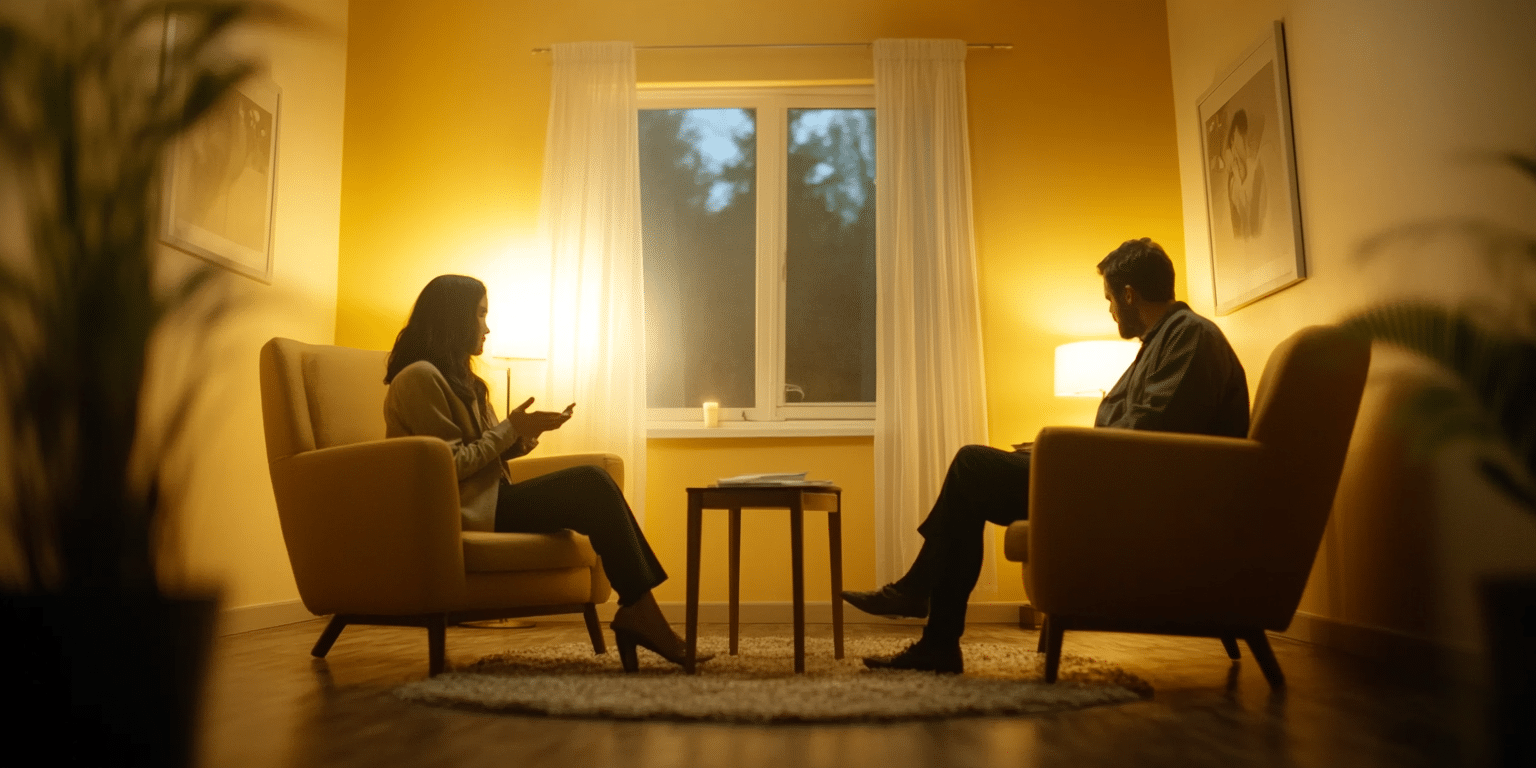
- CBT for Rumination & Overthinking: Identifies catastrophic thought loops and replaces them with more balanced appraisals.
- Distress Tolerance & Emotion Regulation (DBT): Teaches grounding skills for moments when the news feels overwhelming.
- Acceptance and Commitment Therapy (ACT): Aligns your news habits with personal values, such as following local environmental coverage if climate action matters to you.
- Graded Exposure: Gradual, therapist-guided steps help rebuild tolerance for difficult news without overwhelming you.
- Psychodynamic Therapy: Explores the hidden stories and automatic reactions that make you skip the news, then turns that insight into stronger self-awareness and steadier resilience.
At Therapy Group of DC, we tailor these approaches to your relationship with the news, whether you’ve tuned out completely or can’t stop scrolling.
Practical Tips You Can Start Today
- Adopt a “news sprint.” Choose one reputable outlet and read for exactly 15 minutes; set a timer.
- Favor text-first sources. Written articles let you set the pace in a way rapid-fire video doesn’t.
- Follow journalists with professional standards. Individual reporters often earn trust differently than corporate brands.
- Schedule news-free weekends. A full day without news can reset your emotional baseline.
- Practice “one-action” engagement. After reading a distressing story, take one concrete step (donate, volunteer, vote) and then sign off. It turns helplessness into agency.
Finding Balance Between Being Informed and Being Well
Information is useful only when it serves your mental health rather than eroding it. By setting boundaries, curating sources, and building resilience, you can turn news from a trigger into a tool.
The bottom line: news avoidance is a common and understandable way to protect your mood, and the healthiest path is usually a smaller, deliberate dose of news rather than none at all.
If you’re in DC, you can see our therapists or get in touch. The first appointment is a full therapy session, not a screening call.
Stay informed without burning out
Our DC therapists help with news-driven anxiety, rumination, and the guilt of tuning out, so you can re-engage on your own terms.
Last updated: October 2026
This blog is for informational purposes only and does not constitute medical or mental health advice. Always consult with a qualified mental health professional for personalized guidance regarding your specific situation.