Infertility Grief: The Invisible Loss No One Talks About

Infertility grief is real, valid, and deeply painful—yet infertility grief remains one of the most misunderstood forms of loss in our society. Unlike other types of grief that receive acknowledgment and support, grief from infertility often goes unrecognized. There’s no funeral, no condolence cards, no ritual to mark what’s been lost. You’re mourning something invisible—a future you imagined, a child who doesn’t exist yet, dreams of biological children that may never come true.
This type of grief is what mental health professionals call disenfranchised grief: loss that isn’t openly acknowledged or socially supported. When friends say “just relax” or family members ask “when are you going to have kids?”, they don’t realize they’re dismissing very real feelings of grief. Infertility affects about one in eight couples, yet many people who experience infertility feel completely alone.
Can You Grieve From Not Being Able to Get Pregnant?

Yes—infertility grief is a normal response to a significant loss. The emotional experience of being unable to conceive involves genuine mourning, even though what’s lost isn’t visible to others. You’re grieving the loss of a deeply held expectation about your future, the loss of control over your body and life path, and sometimes the loss of your identity as someone who always assumed they’d become a parent.
Many women describe infertility grief as feeling as deep and genuine as grieving someone who has passed away. The difference is that society doesn’t recognize it as legitimate. There are no cultural rituals or support structures for this kind of loss, which leaves people experiencing infertility feeling isolated in their pain. This deeply personal grief often goes unrecognized, intensifying feelings of loneliness.
Each negative pregnancy test can trigger a new wave of grief. Every baby shower invitation, every pregnancy announcement from friends and family, can intensify feelings of loss. The grieving process doesn’t follow a neat timeline when you’re still trying—it’s cyclical, returning with each failed attempt or unsuccessful fertility treatment.
Why Do People Get So Sad About Infertility?
The sadness of infertility runs deeper than simply wanting a baby. Infertility represents multiple layers of loss happening simultaneously. You may be mourning the loss of spontaneity in your intimate life as sex becomes scheduled around ovulation. You’re losing the carefree experience of trying to conceive that others seem to have. You might be grieving your relationship with your body, which feels like it’s betrayed you.
Financial stress compounds the emotional toll. Fertility treatments like in vitro fertilization (IVF treatment) or intrauterine insemination can cost tens of thousands of dollars, often without insurance coverage. Each IVF cycle or treatment process represents not just physically demanding and emotionally draining procedures, but significant financial sacrifice—sometimes requiring couples to make difficult choices about their family life and future.
The infertility journey also involves mourning social experiences. People undergoing fertility treatments often feel isolated from pregnant women or those with biological children. They may avoid a baby shower or feel left out of conversations about parenting. This isolation makes the grief even heavier. The societal pressure and stigma surrounding infertility can compound these feelings of grief and isolation.
For those experiencing secondary infertility—the inability to conceive after having one child—there’s additional complexity. You may feel guilty for grieving when you already have a child, yet the pain of not being able to expand your family is very real. Some people also experience pregnancy loss, which adds another layer to the grieving process.
In our practice, we regularly see clients who describe feeling “broken” or defective because of infertility. We help them understand that infertility grief involves mourning many losses at once: the imagined experience of pregnancy, genetic connection, the timeline you’d planned, and sometimes your sense of identity. These feelings are completely normal responses to a profoundly difficult experience, not signs of weakness.
Is It Normal to Grieve Infertility?
Absolutely. Grief is the natural emotional response to loss, and infertility involves substantial loss. What makes infertility grief particularly challenging is that it’s disenfranchised grief—loss that isn’t socially recognized or supported. When others don’t acknowledge your pain as legitimate, it can make you question whether you have a “right” to feel this way.
Common feelings associated with infertility grief include sadness (especially with each menstrual cycle or negative pregnancy test), anger at your reproductive system or body, anxiety about the future, frustration with the fertility treatment options available, and isolation. Many women report feeling alone in their experience, even though infertility is remarkably common.
The five stages of grief (denial, anger, bargaining, depression, and acceptance) don’t move in a linear progression with infertility. You might cycle through these emotions multiple times—perhaps feeling acceptance one day, then plunging back into anger after seeing pregnant women or receiving yet another well-meaning but hurtful comment from family members.
Infertility grief can affect your relationships and self-esteem, sense of purpose, and mental health. Some people experience depression or anxiety that interferes with daily functioning. Others notice they’ve lost interest in activities they used to enjoy, or struggle with self blame for their fertility challenges. Effective communication and understanding are crucial for couples navigating the challenges of infertility, as this experience can strain relationships and create additional stress.
How to Deal with Sadness of Infertility
Coping with infertility grief requires coping strategies that honor the reality of your loss while helping you maintain your well-being. The first step is acknowledging your grief as valid, rather than trying to suppress or minimize these powerful emotions. Validating one’s feelings is a crucial step in the grieving process during a fertility journey.
Talk to someone you trust—a partner, friend, or support group where you can share your feelings without judgment. Breaking the silence around infertility helps combat the isolation. Support groups specifically for people who experience infertility can provide validation and understanding from others walking a similar path.
Seek professional help when grief feels overwhelming. Fertility counselors and mental health professionals who specialize in reproductive issues can provide individual or couple therapy. Professional support is particularly important if grief lasts a long time or makes it hard to function day-to-day.
Engage in activities unrelated to fertility treatment—hobbies, physical activity, spending time with loved ones who support you. While it’s tempting to let fertility treatments consume every aspect of life, making space for joy and connection in other areas provides important balance. Practicing gratitude can also help individuals cope with the emotional toll of infertility.
Practice self compassion rather than self blame. Research shows that psychological coping strategies emphasizing self-acceptance and allowing yourself to feel emotions (rather than suppressing them) are associated with improved mental health during the infertility journey. Self care is essential for maintaining your well being through this deeply personal experience.
Do You Ever Get Over Infertility?
The question of “getting over” infertility doesn’t have a simple answer. Many people eventually reach a place of acceptance, though the path there looks different for everyone. Acceptance doesn’t mean the pain disappears completely or that you stop wishing things had been different.
For some, acceptance comes after a successful pregnancy through assisted reproductive technology like IVF process with donor eggs or sperm donor. For others, it comes through adoption, building family life in non-traditional ways, or choosing to live child-free. Some people find that, with time and support, they can hold space for both grief and hope.
We often work with clients who are afraid to stop treatment, fearing that acceptance means “giving up.” We help them see that acceptance can coexist with continued efforts—it’s about releasing some of the emotional turmoil while still pursuing your goals. Acceptance might mean acknowledging the grief while exploring treatment options, or it might mean finding peace with alternative paths to parenthood. Either way, it’s deeply personal.
What doesn’t help in processing infertility grief: keeping your feelings bottled up, constantly comparing yourself to others, accepting toxic positivity from well-meaning people who tell you to “just relax” or “stay positive.” Research on unhelpful comments shows that dismissive advice can intensify feelings of isolation and invalidation.
Coping Strategies for the Invisible Loss
Living with disenfranchised grief requires intentional coping strategies. Set boundaries around triggering situations—it’s okay to skip the baby shower or take a break from social media when pregnancy announcements feel like too much. Your emotional well-being matters more than social obligations. Avoiding triggers can be an important self-care strategy during this deeply personal experience.
Build a support network that understands. This might include:
- Online or in-person support groups for people experiencing infertility
- A therapist who specializes in reproductive issues and grief counseling
- Carefully chosen friends and family members who can offer genuine support without platitudes
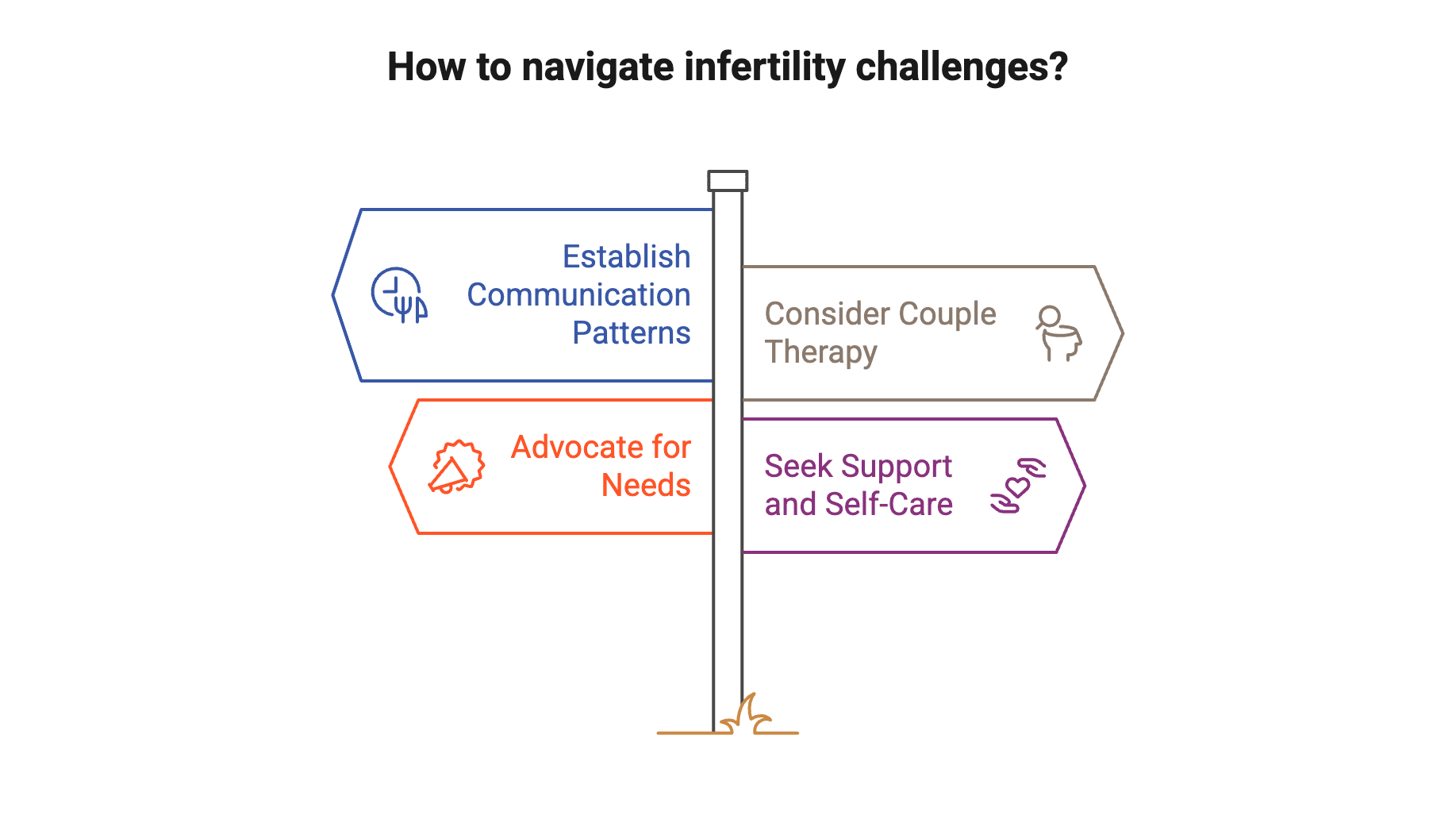
Over the years, we’ve found that couples navigating infertility frequently struggle with feeling disconnected from each other—one partner may want to talk constantly about fertility treatment while the other needs space from the topic. We work with couples to establish communication patterns that honor both needs, creating specific times to discuss fertility while protecting other parts of their relationship from being consumed by it.
Consider couple therapy if infertility is straining your relationship with your male partner or spouse. The treatment process affects both partners differently, and maintaining connection requires ongoing communication and mutual support. Some couples find that the shared experience of infertility grief can strengthen their bond, while others need additional support navigating conflicts or misunderstandings.
Advocate for your needs. When someone offers unhelpful advice, you can say: “I know you mean well, but what I need right now is just someone to listen.” Help educate your support network about what’s actually helpful versus what intensifies your grief.
Remember that seeking support, practicing self care, and acknowledging your pain are signs of strength, not weakness. Grief counseling and therapy aren’t admissions of failure—they’re tools that help you navigate an incredibly difficult experience.
If you’re in the DC area struggling with the invisible loss of infertility, know that you don’t have to carry this grief alone. The experience might be invisible to most of the world, but your pain is real and deserving of support.
Get Support for Infertility Grief in DC
If infertility grief is affecting your mental health, relationships, or quality of life, professional support can help. At Therapy Group of DC, our therapists understand the unique challenges of disenfranchised grief and can provide a space where your feelings are fully validated. Contact us to learn more about grief counseling and therapy options.
This blog provides general information and discussions about mental health and related subjects. The content is not intended to be a substitute for professional medical advice, diagnosis, or treatment. Always seek the advice of your physician or other qualified health provider with any questions you may have regarding a medical condition.