How to Find a Burnout Therapist in DC: What to Look For and Questions to Ask
Last updated: November 2024
Feeling burned out isn’t just being tired. Burnout isn’t simply stress or fatigue—it’s a deeper condition where your internal resources become depleted over time. The term burnout describes emotional exhaustion, loss of motivation, and reduced personal accomplishment that comes from chronic stress. If you’re experiencing burnout, finding the right therapist for burnout can help you recover and regain control. Therapy effectively reduces burnout and helps you build resilience, making it a critical first step.
In DC’s high-pressure work environment—where the “resume date” and Sunday scaries are real—burnout is common. Even high-functioning individuals who appear to perform well externally can experience the prolonged stress that leads to burnout, making it crucial to recognize the signs early. This guide will help you find a burnout therapist who can actually help.
Can a Therapist Help with Burnout?

Yes, therapy is highly effective for burnout. CBT reduces stress and burnout while improving your ability to function at work, and mindfulness-based approaches reduce tension in both mental and physical health.
A good burnout therapist helps you identify what’s causing your burnout—whether it’s workload, lack of control, unclear expectations, or poor work life balance. Burnout can happen in any demanding area of life, not just work. They’ll teach you practical coping skills, help with setting boundaries, and address related issues like anxiety or depression that often happen alongside burnout.
Unlike general stress management, burnout recovery requires addressing the root causes while managing symptoms. That’s where specialized mental health support makes the difference.
In our practice, we see many DC professionals who arrive feeling completely drained and questioning whether they can continue in their careers. Through targeted therapy, most discover that burnout isn’t a personal failure—it’s a response to workplace conditions you can change.
What Therapy is Best for Burnout?
Cognitive Behavioral Therapy (CBT) and Acceptance and Commitment Therapy (ACT) are the most effective approaches for burnout, with strong research supporting their effectiveness. CBT helps identify negative patterns and develop practical stress management skills, while ACT helps you accept difficult feelings and commit to values-based actions.
Other effective approaches include:
Mindfulness-Based Therapy teaches present-moment awareness and helps reduce signs of burnout. Mindfulness lowers stress significantly. These approaches include guided meditation, breathing exercises, and body scans that help you manage both mental and physical health symptoms.
Psychodynamic Therapy explores how past experiences affect your current relationship with work. This approach creates lasting improvements even after therapy ends.
The best burnout therapy depends on your specific situation, burnout severity, and whether you’re also dealing with anxiety or other mental health conditions.
How Do Therapists Treat Burnout?
Therapists treat burnout by identifying root causes, developing coping strategies, establishing boundaries, and addressing related mental health concerns. Treatment typically includes:
Assessing what’s driving your burnout – workload, role ambiguity, lack of recognition, values conflicts, or poor work life balance in your daily life.
Teaching practical stress management skills – time management, and setting boundaries (one of the best methods of self-care to prevent burnout), and knowing when to say no to too many tasks.
Addressing negative thought patterns that worsen burnout. CBT challenges unhelpful thoughts about work and yourself.
Building sustainable self care practices that fit your personal life, not just add to your to-do list. Practicing daily self-care can help combat burnout. Taking care of your physical body is essential in preventing burnout.
Treating co-occurring anxiety or depression, which often accompany chronic stress and emotional exhaustion.
We often work with clients who’ve tried self-care apps and wellness programs but still feel burned out. Sustainable recovery requires addressing both the immediate symptoms and the structural workplace issues driving your exhaustion, not just adding more tasks to your schedule.
What to Look For in a Burnout Therapist
Look for Burnout as an Actual Specialty
Many therapists list “stress” or “anxiety” but burnout involves specific dimensions—emotional exhaustion, depersonalization, reduced personal accomplishment—that require targeted approaches. Check their website or Psychology Today profile for explicit burnout expertise.
Evidence-Based Treatment Methods
They should clearly use CBT, ACT, or mindfulness-based therapy and explain their approach in plain language. If they’re vague about methods or talk only about “supportive listening,” keep looking.
Industry-Specific Understanding
A therapist who’s worked with federal employees, consultants, nonprofit workers, or Hill staffers will understand DC’s unique pressures—the blurred boundaries, the identity-work fusion, the relentless pace. You won’t have to explain why you can’t just “leave work at work.”
Proper Credentials and Training
Look for a licensed mental health professional—this could be a licensed professional counselor (LPC), licensed clinical social worker (LCSW), psychologist, or psychiatrist. Understanding the difference between these providers helps you know what to expect. They should have a master’s or doctoral degree in psychology or a related field. A trauma-informed burnout therapist will help you feel seen, understood, and empowered throughout the process. Many therapists now offer online therapy for burnout, which can be effective if your schedule or energy levels make in-person appointments difficult.
Red Flags to Avoid
Therapists who minimize your experience (“everyone gets stressed”), lack concrete treatment plans, or push immediate job changes without exploring other options first.
Questions to Ask During Your Initial Consultation
Initial consultations exist for you to interview them. Many therapists offer these for free, allowing you to ask about their experience and therapeutic approaches. Here’s what to ask:
About Their Approach
“What’s your specific approach to treating burnout?” Listen for CBT techniques, boundary work, values clarification, or stress management skills—not just “we’ll talk about what’s bothering you.
“How do you help someone who can’t just quit their job?” Most people experiencing burnout can’t immediately leave their position. A good therapist helps you function and recover while still working, not just fantasize about escape. Therapy helps you learn skills to manage your job better or explore whether leaving makes sense.
About Their Experience
“What percentage of your clients are dealing with burnout?” Regular experience means refined approaches. A skilled burnout therapist should validate your experience and help assess its sources, including workload, thought patterns, and boundaries.
“Have you worked with people in my field?” You don’t need someone who specializes in your exact industry, but familiarity with your professional life saves time explaining the basics. If you work in a particularly demanding environment, a burnout therapist trained in occupational mental health can help you explore the unique intersections of identity, career, and self-worth.
About Practical Matters
“What’s your availability, and do you offer teletherapy?” Burnout recovery works best with consistent weekly sessions. If they only have monthly openings or you’d face long hours commuting to Dupont Circle after a draining workday, factor that in.
“What are your fees?” Understanding costs upfront—whether they take insurance, offer sliding scale, or are out-of-network—prevents financial costs from adding to your stress.
What to Expect in Your First Session
In your initial session, a good therapist will help you explore the underlying causes of your burnout, which can be both individual and systemic. They should ask about your work environment, personal life stressors, and early signs you noticed. The earlier you intervene, the faster recovery becomes. Therapy provides not just symptom relief, but deep insight into what’s driving your exhaustion.
What is the 42% Rule for Burnout?
The 42% rule likely refers to research showing that roughly 40-45% of professionals report burnout symptoms. Studies consistently show burnout affects a significant portion of the workforce, particularly in high-stress professions and among young adults entering demanding careers.
The key takeaway: burnout is extremely common and treatable. The World Health Organization recognizes burnout as an occupational phenomenon. You’re not alone, and specialized mental health services exist to help you recover from burnout.
What is the 30 30 Rule for Burnout?
The 30 30 rule suggests taking a 30-minute break every 30 minutes of focused work, or 30 minutes of self care for every 30 hours worked. While not scientifically validated, it emphasizes the importance of regular breaks and work life balance.
For many people, the challenge isn’t knowing they should take breaks—it’s giving themselves permission. In DC’s work culture where time pressure is intense, a therapist can help you implement sustainable boundaries and self care that actually stick. This might mean eating nutritious food during lunch instead of working through it, or recognizing when you’re experiencing more stress than one human being can reasonably handle.
What Are the 3 R’s of Burnout?
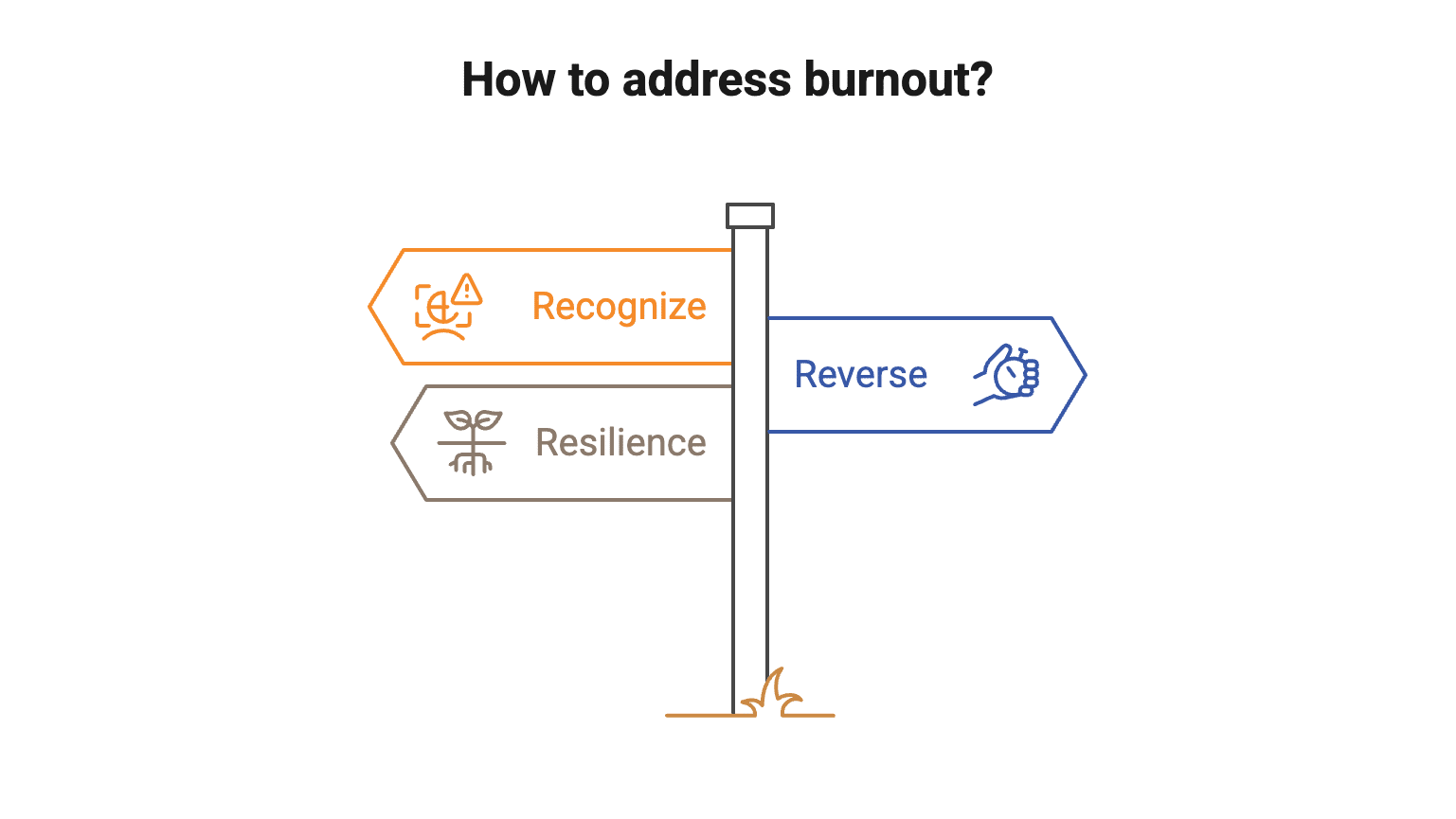
The 3 R’s are Recognize, Reverse, and Resilience:
Recognize
Identifying warning signs early allows for more effective intervention. Recognizing the signs of burnout early can make all the difference. Common signs of burnout include emotional exhaustion, depersonalization, and decreased performance. You might also notice physical symptoms like headaches, sleep problems, or a weakened immune system, along with loss of motivation and increased cynicism.
Self awareness about your own feelings matters. Many people don’t recognize they’re experiencing burnout until symptoms become severe.
Reverse
Taking concrete steps to reduce burnout through burnout therapy, setting boundaries, workload changes, and targeted self care. This might mean working with a therapist to identify what needs to change, reducing responsibilities where possible, or addressing the risk factors in your work environment.
For many clients, reversing burnout requires both individual changes and advocacy for systemic improvements. A good burnout therapist will help you navigate these conversations and avoid burnout patterns in the future.
Resilience
Building sustainable practices that prevent future burnout. Resilience interventions reduce burnout and improve work performance. This includes:
- Developing self care routines that don’t feel like one more task
- Creating sustainable patterns rather than cycling between overwork and crash
- Building professional development that renews your sense of purpose and personal accomplishment
- Cultivating peer support and social support networks
- Practicing self compassion regularly, especially during challenging periods
A good therapist will help you build resilience to prevent future burnout episodes and create a sustainable approach to balance in both your professional life and personal life.
How Burnout Relates to Anxiety and Depression
Burnout rarely exists alone. It often happens alongside anxiety, depression, or both.
Burnout and anxiety share symptoms—racing thoughts, sleep problems, overwhelm—but have different roots. Burnout develops from work related stress, while anxiety can occur independent of work circumstances. A skilled therapist assesses both and adjusts your treatment plan accordingly.
Burnout and depression can feel similar, with fatigue, lost motivation, and numbness. But here’s the difference: burnout typically improves with time away from work, while depression persists regardless. If you’re experiencing severe hopelessness, thoughts of self-harm, or suicidal ideation, seek mental health services immediately—these indicate depression requiring urgent attention.
The World Health Organization recognizes that untreated burnout can evolve into chronic conditions like anxiety and depression. Addressing burnout early through therapy helps prevent these more serious mental health issues from developing.
In our Dupont Circle practice, we regularly see the connection between untreated burnout and worsening anxiety or depression. Early intervention makes a significant difference—addressing burnout before it becomes a more serious mental health condition leads to faster recovery and better outcomes.
Finding the Right Burnout Therapist in DC
Search specialized directories like Psychology Today or TherapyDen, filtering for “burnout” and “work stress” specialties. Look beyond the first page—excellent therapists don’t always rank highest in search results.
Ask for referrals from your primary care doctor, employee assistance program, or trusted colleagues. Other providers like social workers at your workplace may also have recommendations.
Contact therapy practices directly. Many practices in Dupont Circle and throughout DC can match you with the right therapist based on your specific needs and their therapists’ expertise.
Consider your preferences. Therapy is a personal journey, and a strong connection with the therapist is crucial for success. Some people prefer in-person sessions, while others find online therapy more manageable given their energy levels and schedule.
Trust your gut. The therapeutic work requires trust and openness. If something feels off during your consultation, it’s okay to try someone else. Finding the right fit is part of the process.
Taking the First Step
Recognizing you need help is huge—many people don’t identify burnout until it’s severe. You should consider seeing a therapist for burnout when you experience symptoms consistently, notice your own health suffering, or find that burnout can drain your motivation and make everyday life feel unmanageable.
Recovery takes time, but with the right support, therapy for burnout helps you resolve burnout, regain more control, and rebuild your sense of purpose. Burnout therapy can help you regain your sense of happiness, hope, and pleasure in life. A skilled burnout therapist can help you recover from burnout and enjoy life again.
Burnout recovery therapy isn’t just about getting back on your feet—it’s about creating a healthier, more resilient life. Therapy for burnout helps you recover the parts of yourself that stress alone doesn’t reach, whether that’s your self esteem, your capacity for self discovery, or your ability to set healthy boundaries.
Find Burnout Specialists in Dupont Circle
If you’re ready to address burnout and reclaim your well-being, our team includes therapists who specialize in burnout, work stress, and related mental health concerns. We understand the unique pressures facing DC professionals, including those navigating toxic work environments and demanding careers.
Contact us today to schedule an appointment and start feeling like yourself again.
This blog provides general information and discussions about mental health and related subjects. The content is not intended to be a substitute for professional medical advice, diagnosis, or treatment. Always seek the advice of your physician or other qualified health provider with any questions you may have regarding a medical condition.