What Are the Psychological Factors Behind Sexual Dysfunction?
Psychological factors play a central role in sexual dysfunction, affecting desire, arousal, and satisfaction during sexual activity. Stress, anxiety, depression, relationship conflicts, past trauma, and body image concerns can all disrupt sexual function, even without physical health problems. Research shows that sexual dysfunction affects approximately 43% of women and 31% of men, with psychological and emotional factors often contributing significantly to these difficulties. Understanding these causes—particularly how they affect female sexual function and male sexual response—is the first step toward finding effective treatment through therapy, communication skills, and addressing underlying mental health conditions.
What Are the Four Types of Sexual Dysfunction?

Sexual dysfunction falls into four main categories: desire disorders, arousal disorders, orgasm disorders, and pain disorders. Each type has distinct psychological factors that contribute to the problem.
Desire Disorders
Sexual desire disorders involve a persistent lack of interest in sexual activity. Hypoactive sexual desire disorder is the most common form, affecting approximately 30% of women and 15% of men in population-based studies. People with hypoactive sexual desire disorder experience little to no sexual desire, which creates distress and relationship tension.
Arousal Disorders
Arousal disorders make it difficult to become or stay physically aroused during sexual activity. In men, this manifests as erectile dysfunction, while women experience female sexual arousal disorder—a condition where physical arousal (including vaginal lubrication and genital sensation) doesn’t occur despite desire being present. These female sexual difficulties affect 10% to 20% of men and women. Female sexual arousal can be particularly complex, as it involves both physical and psychological components that influence responsiveness during sexual activity.
Orgasm Disorders
Orgasm disorders involve difficulty reaching orgasm despite adequate sexual stimulation. Female orgasmic disorder affects about 10% to 15% of women in community studies. Male orgasmic disorder and premature ejaculation also fall into this category, with premature ejaculation reported by approximately 30% of men, making it the most commonly reported sexual complaint among men.
Pain Disorders
Sexual pain disorders include conditions like dyspareunia (painful intercourse) and vaginismus (involuntary muscle tightening). While these often have physical components, psychological factors like anxiety, past sexual trauma, and relationship stress frequently contribute to or worsen the pain. Sexual pain disorders affect 10% to 15% of women and less than 5% of men.
In our practice, we see how these categories often overlap. Someone experiencing low sexual desire may develop arousal difficulties, which then creates performance anxiety that makes orgasm harder to reach. Addressing psychological factors behind one issue often helps improve the others.
How Do Psychological and Emotional Factors Affect Sexual Function?
Understanding the specific ways that psychological factors disrupt sexual function helps clarify why therapy is often the most effective treatment approach.
Anxiety and Stress
Anxiety and stress disrupt sexual response by keeping the nervous system in “fight or flight” mode, making relaxation and arousal difficult. Performance anxiety creates a self-perpetuating cycle where worry about sexual function actually causes the problems you fear. In a city as demanding as DC, work stress and deadline pressure can follow people into the bedroom, making intimacy feel like another task to accomplish rather than a source of connection.
Depression and Mood
Depression lowers sexual desire and makes it harder to experience pleasure during sexual activity. The loss of interest that characterizes depression extends to sex, and the fatigue and negative thoughts that come with mood disorders directly interfere with sexual arousal and satisfaction.
Relationship Issues
Relationship problems create emotional distance that manifests as sexual difficulties. Poor communication, unresolved conflicts, lack of trust, or feeling emotionally disconnected from your partner all affect sexual desire and function. When you’re working on overcoming toxic relationship patterns, sexual intimacy typically suffers until those underlying issues are addressed.
Past Trauma
Past sexual trauma or negative sexual experiences can create lasting effects on sexual function. Sexual abuse, assault, or even experiences that were uncomfortable or coercive can lead to anxiety, avoidance, or physical responses during sexual activity years later. These experiences may contribute to sexual aversion disorder, where someone actively avoids sexual situations due to fear or disgust.
Body Image
Body image concerns make it hard to feel confident and present during sexual encounters. Negative thoughts about your appearance can distract from pleasure and create self-consciousness that interferes with arousal and orgasm.
Cultural and Religious Beliefs
Cultural or religious beliefs sometimes create guilt or shame around sexual activity, particularly for women. These internalized messages can suppress sexual desire and make sexual expression feel wrong or forbidden, even within committed relationships.
How Do You Fix Sexual Dysfunction?
Treatment for sexual dysfunction often combines therapy, medical interventions, and lifestyle changes, with the specific approach depending on the underlying causes. When psychological factors are primary, therapy is typically the most effective first-line treatment.
Psychotherapy Approaches
Cognitive-behavioral therapy (CBT) helps identify and change negative thought patterns about sex. CBT has strong research support for treating various sexual disorders, teaching anxiety management and building confidence.
Sex therapy includes education about sexual response, communication exercises, and techniques to reduce performance pressure. Sensate focus exercises help partners reconnect through non-sexual touch before gradually reintroducing sexual activity.
Couples therapy addresses relationship problems affecting sexual function. Working with effective couples therapy techniques helps improve communication about sexual needs, resolve conflicts, and rebuild trust.
Medical and Physical Treatments
For some people, treating underlying mental health conditions with therapy or medication improves sexual function. However, certain antidepressants, particularly selective serotonin reuptake inhibitors (SSRIs), can cause sexual side effects. Working with your healthcare provider to adjust medications or add treatments to counter these effects is important.
Pelvic floor physical therapy can help with sexual pain disorders and some arousal difficulties. This specialized therapy addresses muscle tension, teaches relaxation techniques, and treats pelvic floor dysfunction that may contribute to pain during sex.
Treatments for erectile dysfunction include oral medications (PDE5 inhibitors such as Viagra, Cialis, and Levitra) that are effective for approximately 60-70% of men. For more resistant cases, intracavernous injection therapy achieves adequate erections in about 85% of users after dose adjustment.
Female sexual dysfunction treatments address the unique physiological aspects of female sexual arousal and desire. Estrogen therapy helps with vaginal dryness and painful intercourse associated with menopause. Ospemifene is an oral medication FDA-approved for moderate to severe dyspareunia and vaginal dryness in postmenopausal women. This selective estrogen receptor modulator works by improving vaginal tissue health.
For women with hypoactive sexual desire disorder, medications like flibanserin or bremelanotide may provide modest benefits. However, psychological approaches through sex therapy and counseling often work better for addressing the complex psychological factors affecting female sexual desire.
Hormone therapy for men with low testosterone may improve libido and overall sexual function. Testosterone treatment is typically recommended for adult men with age-related low levels who have sexual dysfunction, particularly when combined with other treatments.
We often see clients who’ve tried medical solutions without success because the root cause was psychological. A thorough evaluation helps determine whether therapy alone, medication alone, or a combined approach will work best for your situation.
What Risk Factors Contribute to Sexual Dysfunction?
Risk factors for sexual dysfunction include both medical conditions and psychological factors. Understanding these helps determine the most effective treatment approach.
Medical and Physical Risk Factors
Medical conditions affect blood flow, nerve function, and hormones. Cardiovascular disease, diabetes, and multiple sclerosis can directly impact sexual response, often requiring treatment alongside addressing psychological factors.
Aging affects sexual function through hormonal changes. Declining testosterone in men may contribute to reduced desire and erectile dysfunction. In postmenopausal women, declining estrogen causes vaginal changes including reduced lubrication and tissue thinning, leading to painful intercourse.
Prescription medications, particularly selective serotonin reuptake inhibitors (SSRIs) and blood pressure medications, commonly affect sexual activity by reducing desire, interfering with arousal, or delaying orgasm.
Psychological and Social Risk Factors
Mood disorders, anxiety disorders, and chronic stress significantly increase risk factors for sexual problems. Poor body image and low self-esteem create risk factors by increasing self-consciousness during sexual activity. Past sexual trauma remains a significant risk factor, with effects persisting for years without treatment.
Relationship factors including poor communication, unresolved conflicts, and lack of emotional intimacy substantially increase the likelihood of sexual desire disorders and arousal disorders.
Can Sexual Dysfunction Go Away?
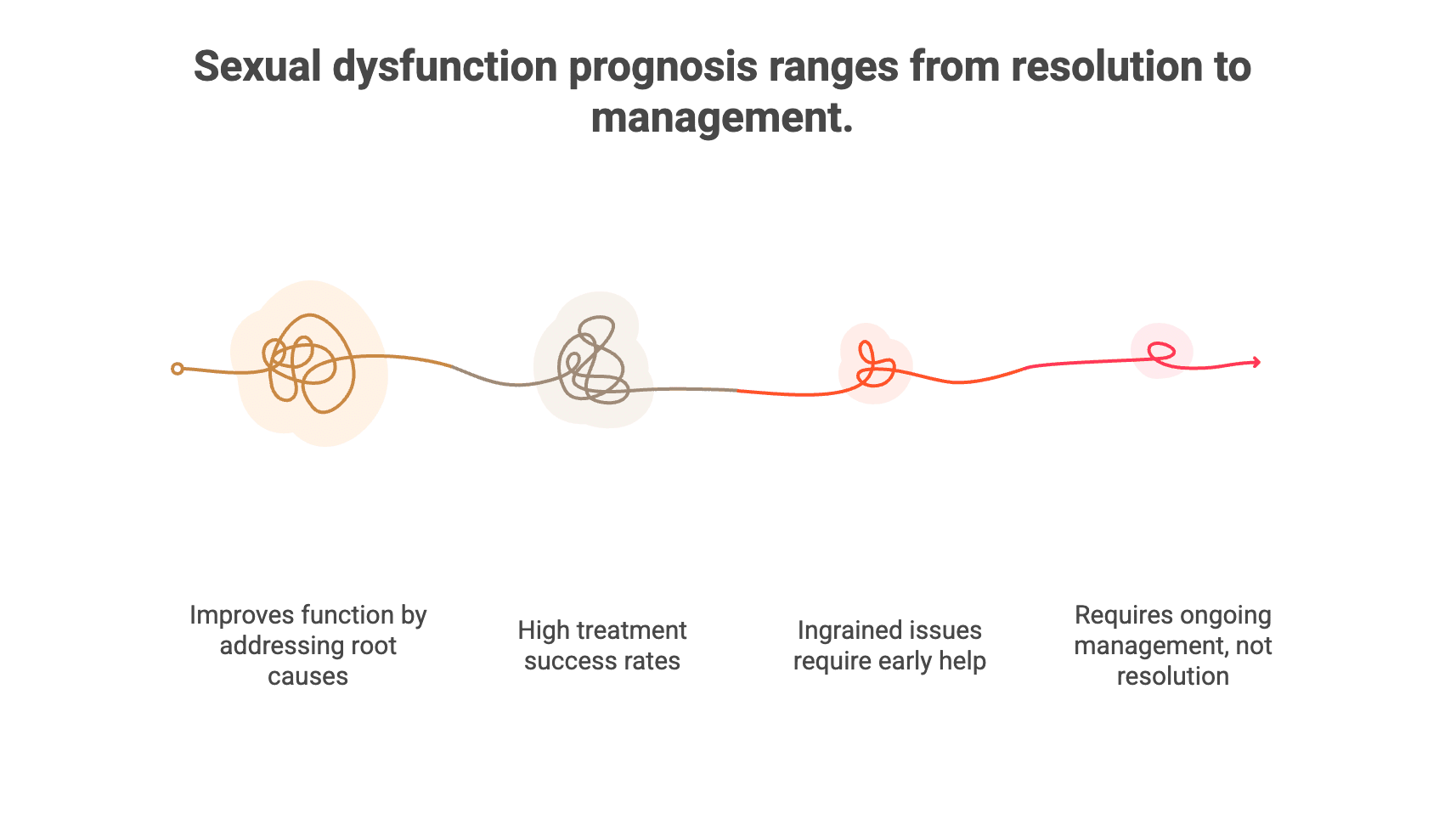
Many types of sexual dysfunction can improve significantly or resolve completely with appropriate treatment. The prognosis depends on underlying causes, duration, and whether you seek help.
Sexual problems caused primarily by psychological factors often respond well to therapy. Research shows meaningful improvements for many people. Addressing different types of therapy for anxiety, depression, trauma, or relationship issues frequently restores normal sexual function.
Situational sexual dysfunction—problems occurring only in specific circumstances—typically has a better prognosis than lifelong dysfunction. If sexual function was normal before recent stress or relationship problems, treatment success rates are generally higher.
However, some sexual problems become more ingrained if left untreated. Avoidance patterns develop, negative thought cycles strengthen, and relationship distance grows. Seeking help earlier rather than waiting usually leads to better outcomes.
Medical conditions like diabetes and cardiovascular disease may cause ongoing dysfunction requiring management rather than complete resolution. Even then, addressing psychological factors alongside medical treatment improves outcomes.
Common Questions About Sexual Dysfunction
How common is sexual dysfunction?
Sexual dysfunction affects about 43% of women and 31% of men. Hypoactive sexual desire disorder affects approximately 30% of women and 15% of men, while premature ejaculation is reported by about 30% of men. These problems significantly impact quality of life and relationship satisfaction.
Can medications cause sexual problems?
Yes. Selective serotonin reuptake inhibitors (SSRIs) can cause decreased desire, arousal difficulties, and orgasm problems. Blood pressure medications and antihistamines may also affect sexual function. Discuss sexual side effects with your healthcare provider—adjustments or alternatives may be available.
Does sexual dysfunction affect relationships?
Sexual dysfunction significantly impacts interpersonal functioning and relationship satisfaction. Both partners typically feel the effects through decreased intimacy, communication challenges, and emotional distance. Addressing sexual problems often requires working on the relationship alongside individual treatment.
What’s the difference between physical and psychological causes?
Physical causes include medical conditions like cardiovascular disease, diabetes, and hormonal imbalances. Psychological causes include anxiety, depression, relationship problems, and trauma. Most sexual dysfunction involves both physical and psychological factors interacting. A comprehensive evaluation determines which factors are primary.
Are there lifestyle changes that help?
Yes. Regular exercise improves blood flow and reduces stress. Reducing alcohol, quitting smoking, adequate sleep, and stress management all support sexual health. Combining lifestyle changes with therapy and medical treatment produces the best results.
How does the diagnostic and statistical manual classify sexual disorders?
The Diagnostic and Statistical Manual of Mental Disorders (DSM-5) classifies sexual disorders based on which phase of sexual response is affected. Diagnoses require persistent symptoms causing marked distress for at least six months.
What role does sexual medicine play in treatment?
Sexual medicine specialists integrate medical and psychological approaches, recognizing that effective treatment requires addressing both physical factors (hormones, blood flow, medical conditions) and psychological factors (anxiety, relationship issues, trauma).
Getting Help in DC
Sexual health concerns affect overall quality of life and relationship satisfaction. Whether you’re dealing with low sexual desire, arousal difficulties, orgasm problems, or pain during sex, effective treatments exist. Many people wait years before seeking help due to embarrassment, but sexual health is a legitimate medical and mental health concern.
A comprehensive evaluation can determine whether your sexual dysfunction has primarily physical, psychological, or combined causes. Mental health professionals with training in sex therapy can provide specialized treatment for psychological aspects of sexual dysfunction. Understanding male intimacy struggles or other sexual health concerns is an important step toward addressing these issues.
Ready to Address Sexual Health Concerns?
If you’re experiencing sexual dysfunction and would like to explore how therapy might help, our team includes psychologists with expertise in sexual health and relationship issues. We provide confidential, evidence-based treatment that addresses both individual and couples concerns.
This blog provides general information and discussions about mental health and related subjects. The content is not intended to be a substitute for professional medical advice, diagnosis, or treatment. Always seek the advice of your physician or other qualified health provider with any questions you may have regarding a medical condition.