Will Anxiety Disorder Go Away? Understanding Why Symptoms Come and Go
If you’ve noticed your anxiety symptoms getting better for a while, only to return weeks or months later, you’re not alone. Anxiety fluctuates naturally over time—periods of relief followed by setbacks are part of the condition itself. Anxiety disorders affect millions of people, and understanding this pattern helps you set realistic expectations for recovery.
Why Does Anxiety Come and Go?
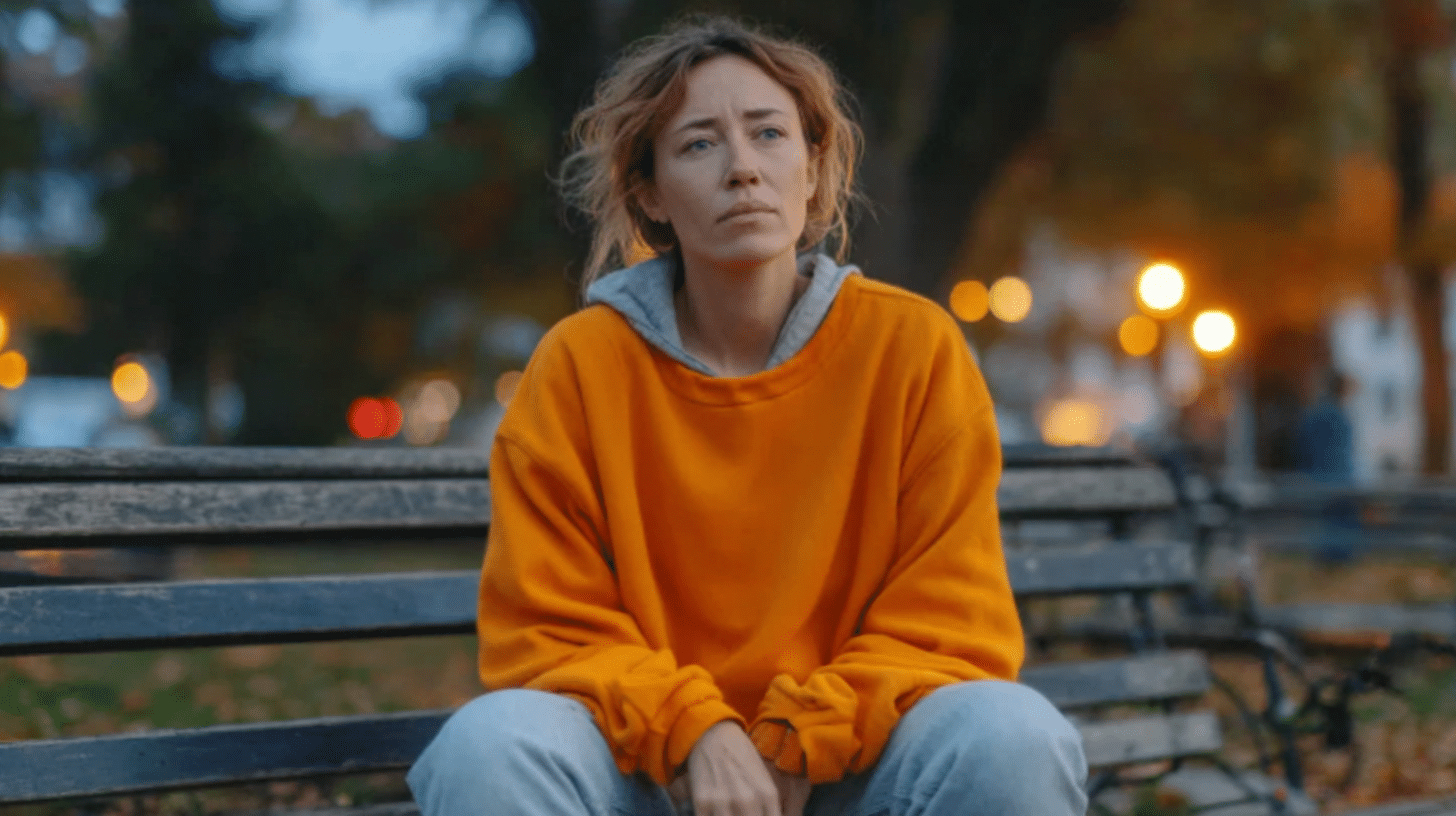
Anxiety symptoms ebb and flow for biological and environmental reasons. Unlike a broken bone that heals and stays healed, these conditions move through periods of remission and recurrence. Research shows that symptoms can persist for months or years, sometimes fading and other times resurfacing.
This fluctuating pattern happens for several reasons:
- Life stress and major changes
- Physical health conditions
- Sleep quality
- Seasonal shifts
- Changes in how consistently you use your skills
When stressors decrease or you’re actively using effective techniques, symptoms may quiet down. When new challenges arise, they often return.
Different conditions show distinct patterns. Generalized anxiety disorder might create a steady hum of worry that intensifies during stressful periods, with persistent concern across multiple areas of life. Social anxiety may flare around specific situations like work presentations or gatherings. Panic disorder can go through phases where attacks cluster together, followed by calmer periods. Each type has its own rhythm, but all share this tendency to come and go.
What Does It Mean When Anxiety Goes Away?
When symptoms improve significantly or disappear, mental health professionals call this “remission.” Remission doesn’t mean your condition is cured—it means you’re experiencing a period without symptoms or with greatly reduced symptoms.
Studies show that 78% achieved remission after six years, but only about half had no symptoms at all. Improvement is very possible, but complete elimination is less common.
During remission, you might feel like yourself again—you can engage in daily activities without excessive worry, physical symptoms like rapid heartbeat or muscle tension fade away, and anxious thoughts don’t control your day. These periods can last weeks, months, or even years.
In our practice, we see clients who’ve been symptom-free for months suddenly experience a return of their worries. They often feel discouraged, like they’ve failed or lost all their progress. We remind them that remission doesn’t mean immunity—it means they’ve built skills that work, and they can use those same skills again. The difference is they now know what to do when symptoms return.
Will Anxiety Disorder Go Away on Its Own?
These conditions rarely resolve completely without treatment. While some people do experience natural remission, 39% remained symptomatic after one year, and 30% stayed unrecovered after three years. This data shows that anxiety disorders are persistent conditions requiring intervention.
Waiting for symptoms to disappear means potentially spending months or years struggling with issues that seriously impair your daily life. The worry interferes with work, relationships, and personal activities while you hope it will fade.
Removing a stressor doesn’t automatically eliminate an anxiety disorder. Once the nervous system has learned anxious response patterns, it often needs help unlearning them through professional treatment.
Can You Get Over Anxiety?
Yes, but “getting over it” looks different than you might expect. With proper treatment, many people see significant improvement in symptoms and quality of life. 45% to 65% see major improvement, and up to half may have their symptoms go into remission. These outcomes show that professional help makes a real difference.
Recovery doesn’t mean you’ll never feel anxious again. Everyone experiences occasional anxiety—that’s a normal response to stress. Instead, recovery means handling symptoms so they no longer negatively affect your daily life. You learn to respond to anxious feelings when they arise rather than being overwhelmed.
When clients ask us if therapy “cures” anxiety, we’re honest: the goal isn’t to eliminate all nervousness. That’s not realistic or even desirable—some anxiety keeps you safe and motivated. What we work toward is reducing symptoms to a level where you’re living the life you want. We measure success not by the absence of worry, but by your ability to do the things that matter to you despite it.
Treatment Approaches That Work
Cognitive behavioral therapy (CBT) is the gold standard. CBT teaches practical skills to identify triggers, challenge negative thought patterns, and gradually face feared situations through exposure therapy. These techniques stick with you even after therapy ends, giving you tools for the long term.
Medications such as selective serotonin reuptake inhibitors (SSRIs) and serotonin norepinephrine reuptake inhibitors (SNRIs) can help, especially when combined with talk therapy. A treatment plan combining medication and therapy provides the best results for most people. Your clinician can prescribe medication if needed as part of a comprehensive approach.
What Makes Anxiety Come Back?
Even after successful treatment, symptoms can return. Understanding common relapse triggers helps you recognize warning signs and take action early.
Common triggers include:
- Major life changes like starting a new job, moving, relationship shifts, or financial stress (even positive changes like marriage can overwhelm your resources)
- Stopping treatment too soon when symptoms improve
- Physical health conditions including chronic illness, hormonal changes, or sleep problems
- Substance use, including alcohol and excessive caffeine
- Other mental health conditions like depression worsening
Staying connected to your therapist and continuing healthy habits helps prevent relapse. Many clinicians recommend maintaining treatment even during remission to hold onto your progress. This ongoing support is especially important for generalized anxiety disorder and other conditions with high relapse rates.
Can You Live a Healthy Life with Anxiety?
Absolutely. Many people with these conditions live full, meaningful lives while actively addressing their symptoms. The key is developing effective skills and knowing when to seek professional help.
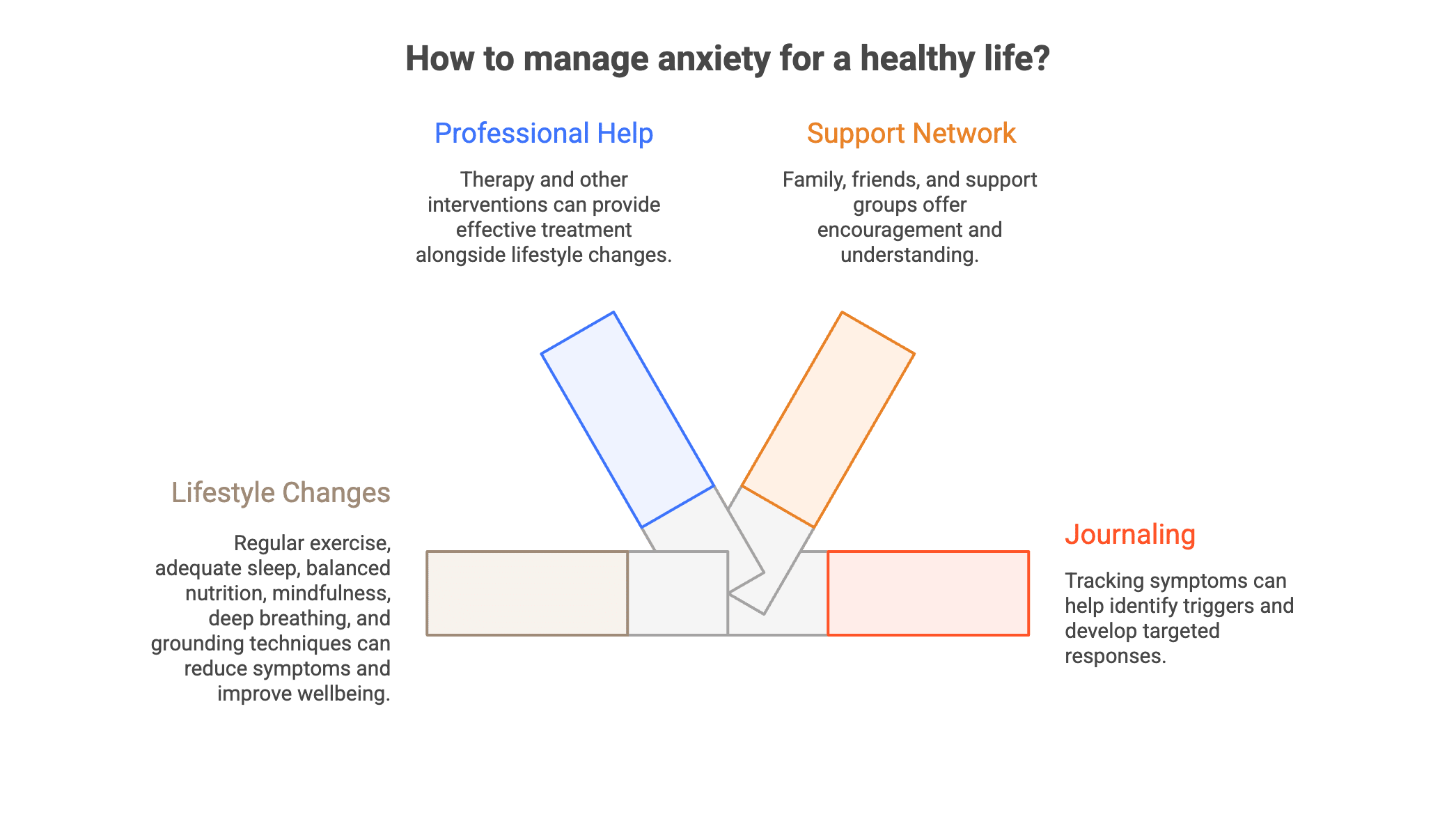
Lifestyle changes that support long-term wellbeing:
- Regular exercise to reduce fatigue and improve alertness
- Adequate sleep to regulate your nervous system and reduce physical symptoms
- Balanced nutrition with foods high in magnesium and omega-3 fatty acids
- Mindfulness and meditation to calm anxious thoughts
- Deep breathing exercises to slow your heart rate and ease physical symptoms during episodes
- Grounding techniques to bring focus back to the present moment when feeling overwhelmed
These self-help approaches work best alongside professional treatment, not as replacements. While lifestyle changes help, they’re most effective when combined with therapy or other interventions.
Building a strong support network makes a significant difference. Family members, friends, and support groups provide encouragement and understanding. Staying socially engaged gives you distraction from stressors and reminds you that you’re not alone.
We encourage clients to track their symptoms in a journal—not obsessively, but enough to spot patterns. Many discover that their worry spikes at certain times of day, after particular interactions, or when they’ve skipped their routine. This awareness is powerful. Once you know your triggers, you can plan for them instead of being blindsided. It transforms anxiety from something that happens to you into something you can work with.
Keeping a journal can help you identify triggers and track patterns. Writing down your thoughts often provides clarity about what provokes feeling anxious, making it easier to develop targeted responses. Recognizing when you start feeling overwhelmed allows you to use your skills before symptoms escalate into panic attacks.
When Should You Seek Professional Help?
If symptoms feel overwhelming, interfere with your ability to function, or persist for weeks, it’s time to talk to a mental health professional. A therapist or primary care doctor can evaluate your symptoms and recommend appropriate treatment options. Getting professional help is crucial for addressing these conditions effectively.
Warning signs that you need professional support:
- Constant worry that you can’t control
- Avoiding important daily activities due to fear
- Experiencing frequent panic attacks
- Using alcohol or substances to cope
- Having thoughts of self-harm
Don’t wait until symptoms completely disrupt your everyday life before seeking help. Early intervention leads to better outcomes.
Treatment typically involves cognitive behavioral therapy (CBT), sometimes called talk therapy, which helps you understand and change patterns that fuel worry. Some people benefit from acceptance and commitment therapy or other evidence-based approaches. Your therapist will create a treatment plan tailored to your specific needs, whether you’re dealing with panic disorder , social anxiety, or another type of condition.
Medication may be recommended alongside talk therapy, especially for severe symptoms. Anti-anxiety medications are typically prescribed by a psychiatrist or primary care doctor and work best when combined with therapy and lifestyle changes.
Get Support for Anxiety in Washington, DC
If you’re looking for support with anxiety, the therapists at Therapy Group of DC in Dupont Circle are here to help. Our practice specializes in treating these conditions through evidence-based talk therapy. Schedule an appointment to get started on your path to feeling better.
Frequently Asked Questions About Anxiety Disorders
What are common symptoms of anxiety?
Symptoms can include excessive worry, intense fear, difficulty concentrating, rapid heartbeat, muscle tension, chest pain, sweating, and restlessness. These physical signs often accompany anxious thoughts and can interfere with daily life.
Can natural remedies help alleviate anxiety?
Natural remedies such as mindfulness practices, meditation, regular exercise, and certain dietary choices may help alleviate symptoms. However, these should complement professional mental health care and not replace evidence-based treatments.
How do stressful life events impact anxiety?
Stressful life events can significantly increase stress levels, potentially triggering or worsening symptoms. Effective stress management techniques are important to help reduce the impact of these events on mental health.
When should I seek help from a mental health professional?
If symptoms become overwhelming, persistent, or interfere with daily activities, it is important to seek professional help. Healthcare professionals can provide a proper diagnosis and develop a tailored treatment plan.
Are there clinical trials for anxiety treatments?
Yes, clinical trials are ongoing to explore new treatments. Participating in clinical trials can provide access to emerging therapies and contribute to advancing mental health care.
Disclaimer: This article is for educational purposes only and is not a substitute for professional medical advice, diagnosis, or treatment. Always seek the advice of your physician or qualified mental health provider with any questions you may have regarding a medical or mental health condition. If you are in crisis or experiencing thoughts of self-harm, please call 988 (Suicide and Crisis Lifeline) or go to your nearest emergency room.